Thorough Overview of Testosterone Blood Testing Procedures
What Is the Purpose of a Testosterone Blood Test?
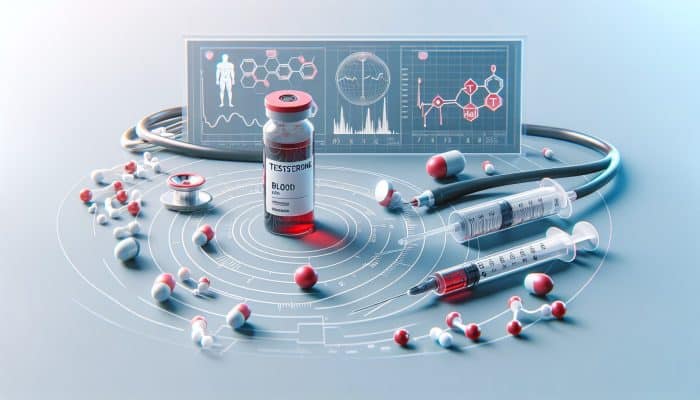
The Testosterone Blood Test in Cambuslang serves as a crucial diagnostic instrument that assesses the levels of testosterone circulating within your bloodstream. This test is particularly important for diagnosing a variety of health concerns, especially for individuals who exhibit symptoms associated with hormonal imbalance. Key motivations for undergoing this test include identifying conditions such as hypogonadism, characterised by significantly low testosterone production, addressing issues related to infertility, and investigating symptoms like fatigue, depression, or diminished libido. Furthermore, the test is vital for monitoring the effectiveness of testosterone replacement therapy and assessing other hormone-related disorders. Understanding your testosterone levels can yield valuable insights into your overall health and well-being.
How Are Testosterone Levels Accurately Measured?
The quantification of testosterone levels is primarily expressed in nanomoles per litre (nmol/L). The testing procedure generally involves a healthcare professional extracting a blood sample from a vein in your arm. This simple yet effective process is designed to ensure minimal discomfort for the patient. Once the blood sample is collected, it is dispatched to a laboratory where sophisticated techniques such as liquid chromatography are employed to determine the precise concentration of testosterone. This meticulous methodology is essential for delivering accurate results, which are crucial for effective diagnosis and subsequent treatment planning.
Why Is Regular Testing of Testosterone Levels Essential?
Consistent monitoring of testosterone levels is vital for detecting any changes that may occur over time, particularly for individuals diagnosed with conditions such as hypogonadism. By regularly tracking testosterone levels, healthcare providers can make well-informed decisions regarding available treatment options and necessary lifestyle modifications. Health conditions that may warrant routine testing include obesity, metabolic syndrome, Type 2 diabetes, osteoporosis, and cardiovascular disease. Being proactive about testosterone testing not only aids in managing these health issues but also significantly contributes to enhancing overall health and quality of life.
Expert Insights on Testosterone Blood Testing Practices in Cambuslang

What Are the Latest Advances in Testosterone Testing?
Recent advancements in the field of testosterone testing have greatly enhanced the accuracy and sensitivity of various assays. Cutting-edge technologies such as liquid chromatography-mass spectrometry enable healthcare professionals to obtain precise measurements of testosterone levels, thereby improving diagnosis and treatment strategies. For instance, patients who have previously endured fluctuations in hormone levels can now achieve better stability and an enhanced quality of life through these advanced testing methodologies. Experts emphasise the necessity of precise testing in tailoring treatment protocols, which can lead to significantly better outcomes for patients.
How Can Testosterone Test Results Be Interpreted Accurately?
Accurate interpretation of testosterone levels necessitates a comprehensive understanding of reference ranges alongside individual factors such as age, weight, and overall health status. During discussions about results with healthcare providers, patients should actively engage in conversations regarding the implications of their testosterone levels and how these figures correlate with their health. Important steps include seeking clarification on the reference ranges used in the tests and discussing any lifestyle modifications or treatments that may be recommended based on the results. This proactive approach empowers patients to take charge of their health and wellness.
What Do Experts Recommend for Follow-Up After Testing?

Experts frequently recommend follow-up tests to monitor testosterone levels and evaluate the effectiveness of treatment plans. Such evaluations are especially critical for individuals undergoing testosterone replacement therapy or those exhibiting symptoms linked to hormonal imbalances. Additionally, healthcare providers may propose lifestyle changes, including dietary modifications and increased physical activity, based on initial test results. Maintaining open communication with healthcare providers is essential for ensuring comprehensive care and achieving optimal health outcomes.
Essential Preparation Tips for Your Testosterone Blood Test
What Steps Should You Take Before the Test?
Effective preparation for a testosterone blood test is critical to ensure the accuracy of the results. Prior to the test, you may need to fast or avoid certain medications. Key preparation tips include avoiding alcohol consumption and refraining from strenuous exercise for at least 24 hours before the test; fasting for 8 to 12 hours if instructed; informing your healthcare provider about any medications or supplements you are currently taking; and scheduling your appointment in the morning, as testosterone levels tend to fluctuate throughout the day. Following these guidelines can substantially enhance the reliability of your test results.
Where Can You Access Testosterone Testing Services in Cambuslang?
Cambuslang boasts several clinics and hospitals providing testosterone blood tests. It is advisable to contact these facilities directly to arrange an appointment. Many clinics offer dedicated time slots for blood tests to improve patient convenience. Be sure to inquire about any specific preparation requirements before your visit to ensure a seamless testing experience.
How Long Does the Blood Test Procedure Typically Take?
The actual blood draw typically takes only a few minutes. However, wait times at the clinic may vary due to factors such as the time of day and patient volume. Arriving early and being well-prepared can help reduce potential delays, resulting in a smoother and more efficient overall experience for you.
What Should You Expect After the Blood Test?
After the blood draw, healthcare professionals will provide clear instructions on how to care for the puncture site, which may involve applying pressure and maintaining cleanliness in the area. Generally, results from your testosterone blood test will be available within a few days. Patients should actively engage with their doctors to discuss how and when they will receive their results, ensuring they remain informed about their health status.
How Can You Understand Your Test Results Effectively?
Test results for testosterone levels are usually measured in nanograms per decilitre (ng/dL). Your doctor will assist you in interpreting these results, considering factors like your age, health status, and any symptoms you may be experiencing. If the results indicate low testosterone levels, further action may be necessary, which could encompass additional tests or tailored treatment options specifically designed to meet your health needs.
Exploring the Benefits of Testosterone Blood Testing
Can Testosterone Testing Aid in Diagnosing Health Issues?
Indeed, a testosterone blood test can play a vital role in diagnosing various health issues, including hypogonadism, infertility, and certain types of anaemia. For instance, low testosterone levels may indicate underlying health conditions that require further investigation and appropriate medical intervention. An accurate diagnosis can greatly influence treatment strategies and improve patient outcomes, facilitating more effective management of health concerns.
How Does Testosterone Testing Facilitate Treatment Planning?
Understanding your testosterone levels is crucial for guiding personalised treatment plans. For individuals with low testosterone levels, options such as hormone replacement therapy may be explored. Treatment strategies can be meticulously tailored based on the initial test results, with necessary adjustments made over time to optimise health outcomes. Regular monitoring is essential to ensure that testosterone levels remain within the desired range, thereby promoting overall well-being and health.
What Are the Long-Term Health Benefits of Monitoring Testosterone Levels?
Consistent monitoring of testosterone levels can lead to improved health outcomes and a better quality of life. Maintaining optimal testosterone levels is associated with increased energy, stable mood, and enhanced physical performance. Patients who actively manage their hormone levels through regular testing and collaboration with healthcare providers often report higher satisfaction with their overall health and wellness.
Understanding the Testing Process in Cambuslang
What Occurs During the Blood Draw Procedure?
During the blood draw, a trained healthcare professional will utilise a needle to collect a sample from a vein in your arm. The process typically follows these steps: you will be seated comfortably, and the area where the needle will be inserted will be sanitised. A tourniquet may be applied to ensure the vein fills with blood, facilitating easier access. The needle is then inserted, and blood is drawn into a vial. Once the required amount of blood has been collected, the needle is removed, and pressure is applied to the site to minimise bleeding.
How Long Should You Expect to Wait for Your Results?
Results from the testosterone blood test are generally available within a few days to a week, depending on the processing time of the laboratory. Various factors can influence the turnaround time for results, including the laboratory’s workload, the specific tests ordered, and whether additional tests are necessary based on initial findings. Staying in contact with your healthcare provider can help you remain informed about when to expect your results.
What Actions Should You Take After the Test?
After the test, you can typically resume your normal activities. However, it is essential to adhere to any specific instructions provided by your healthcare provider. Post-test care tips include keeping the puncture site clean and dry, avoiding heavy lifting or vigorous exercise for the rest of the day, monitoring for any unusual symptoms such as excessive bleeding or swelling, and reaching out to your healthcare provider if you have any concerns. Following these precautions will help ensure a smooth recovery from the blood draw.
Where Can You Obtain a Testosterone Blood Test in Cambuslang?
Testing facilities are readily accessible at various local clinics and hospitals throughout Cambuslang, offering residents essential health services. Some reputable locations include the Cambuslang Health Centre and well-known private clinics. It is advisable to call ahead to confirm they offer testosterone blood tests and to inquire about appointment scheduling and preparation requirements, optimising your experience.
Research-Backed Advantages of Testosterone Blood Testing in Cambuslang
What Insights Does Research Provide on Early Detection?
Research underscores the importance of early detection of low testosterone levels, as it can lead to timely interventions and enhanced health outcomes. Studies suggest that men with untreated low testosterone may face an elevated risk of various health complications, particularly cardiovascular issues. Regular testing can facilitate earlier diagnoses and proactive management, ultimately improving long-term health prospects for individuals.
How Can Regular Testing Contribute to Overall Health Improvement?
Consistent testosterone testing can play a significant role in monitoring and improving overall health, especially as men age. Optimal testosterone levels correlate with better physical health, stable moods, and enhanced cognitive function. Experts advocate for regular screenings to detect changes early, enabling prompt interventions that help maintain health and well-being over time.
What Are the Psychological Benefits of Maintaining Balanced Testosterone Levels?
Maintaining appropriate testosterone levels can positively influence mood, energy levels, and cognitive clarity. Many individuals report enhanced mental sharpness and a decrease in depressive symptoms when their testosterone levels are balanced. Real-world experiences indicate that men experiencing low testosterone often note significant improvements in their quality of life following suitable treatment, highlighting the psychological advantages of maintaining hormonal equilibrium.
How Does Testosterone Testing Influence Physical Performance?
Testosterone levels play a crucial role in regulating muscle mass, strength, and endurance, making testing particularly relevant for athletes and those striving to optimise physical performance. Regular testing can help pinpoint hormonal imbalances that may impede performance. By ensuring testosterone levels are within the appropriate range, individuals can enhance their training results and overall athletic performance, contributing to greater success in achieving their fitness objectives.
Effective Strategies for Successful Testosterone Blood Testing in Cambuslang
How Can You Ensure Accurate Testing Results?
To guarantee accurate test results, it is vital to closely follow all pre-test instructions and inform your healthcare provider about any medications or supplements you are taking. Key actionable steps to ensure accuracy include fasting if required, avoiding alcohol and strenuous activities before the test, scheduling the test in the morning when testosterone levels are typically at their peak, and discussing any recent health changes or symptoms with your doctor. Implementing these measures can significantly enhance the reliability of your testing outcomes.
What Key Topics Should You Discuss with Your Doctor?
When preparing for a testosterone blood test, it is essential to engage in an open dialogue with your doctor regarding your symptoms, medical history, and any concerns you may have about the test or its results. This transparent communication allows for a comprehensive assessment of your health and ensures that the test is necessary and relevant to your situation. Be prepared to ask questions about the potential implications of the results and any subsequent actions that may be required.
How Can You Use Your Test Results to Enhance Your Health?
Effectively utilising your testosterone test results involves making well-informed decisions regarding lifestyle changes, treatment options, and ongoing monitoring strategies. Understanding your testosterone levels can empower you to collaborate with healthcare providers to adjust treatments, adopt healthier lifestyle habits, and track your progress over time. Regular follow-up testing is vital for evaluating the effectiveness of any changes made and ensuring that your health remains a priority.
Where Can You Find a Testosterone Blood Test Facility in Cambuslang?
In Cambuslang, residents can access testosterone blood tests at various local clinics and laboratories. Facilities such as the Cambuslang Health Centre and private diagnostic labs serve as excellent resources. Be sure to enquire about appointment booking procedures and any specific preparation requirements to ensure a seamless testing experience tailored to your needs.
Frequently Asked Questions
What Is the Primary Purpose of a Testosterone Blood Test?
A testosterone blood test is designed to measure hormone levels to diagnose conditions such as hypogonadism and infertility, assess symptoms of low testosterone, and inform treatment decisions effectively.
How Often Should I Undergo Testing for My Testosterone Levels?
The frequency of testing depends on individual symptoms and health conditions; however, regular testing is often recommended for those experiencing hormonal issues or undergoing treatment.
Is Fasting Necessary Before the Testosterone Blood Test?
Fasting may be required for certain tests; it is advisable to follow your healthcare provider’s instructions on food and drink before the test for optimal accuracy.
Can Lifestyle Modifications Influence My Testosterone Levels?
Indeed, lifestyle modifications such as adopting a healthier diet, engaging in regular exercise, and managing stress can positively affect testosterone levels and contribute to overall hormonal balance.
What Are the Possible Side Effects of Testosterone Therapy?
Potential side effects of testosterone therapy include acne, sleep apnea, heightened red blood cell count, and cardiovascular health risks. It is critical to discuss these potential risks with your doctor to make informed decisions.
How Long Does It Typically Take to Receive Testosterone Test Results?
Testosterone test results are generally available within a few days to one week, depending on the laboratory’s processing capabilities and workload.
Can Low Testosterone Levels Be Linked to Depression?
Yes, low testosterone levels can correlate with mood fluctuations and depressive symptoms. Appropriate treatment aimed at restoring testosterone levels may aid in improving mood and emotional well-being.
What Steps Should I Take If My Testosterone Levels Are Found to Be Low?
If you discover that your testosterone levels are low, it is crucial to consult your healthcare provider to explore treatment options, which may include lifestyle modifications or hormone replacement therapy tailored to your needs.
Is a Testosterone Blood Test Considered Safe?
Yes, a testosterone blood test is a routine procedure that is considered safe, with minimal risks associated with the blood draw itself.
Are There Any Specific Preparations Required for the Test?
Preparations may involve fasting, avoiding certain medications, and scheduling the test in the morning. Always adhere to your healthcare provider’s specific instructions to ensure accurate results.
Connect with us on Facebook for Updates!
This Article Was First Found On https://bloodtest.co.uk
The Article Testosterone Blood Test: Essential Guide for Cambuslang Residents Was Found On https://limitsofstrategy.com