Discover How Lighting Influences Your Emotional Well-Being in Your Home
Many individuals often regard lighting as merely a basic necessity — a means to illuminate an area for visibility. However, the importance of lighting extends well beyond its functional role. It has a profound impact on our mood, shapes our overall well-being, and can significantly alter the atmosphere of any space. The right lighting can evoke feelings of comfort, warmth, and happiness, transforming an ordinary room into a soothing sanctuary that caters to our emotional requirements.
An experienced photographer or filmmaker would undoubtedly assert that lighting is everything. It surpasses mere visibility; it is crucial for establishing a specific mood, stirring certain feelings, and creating an enveloping atmosphere. Within the realms of cinema and television, lighting is meticulously crafted to guide viewers’ emotions, adding layers of complexity while shaping our understanding of the narrative that unfolds on screen.
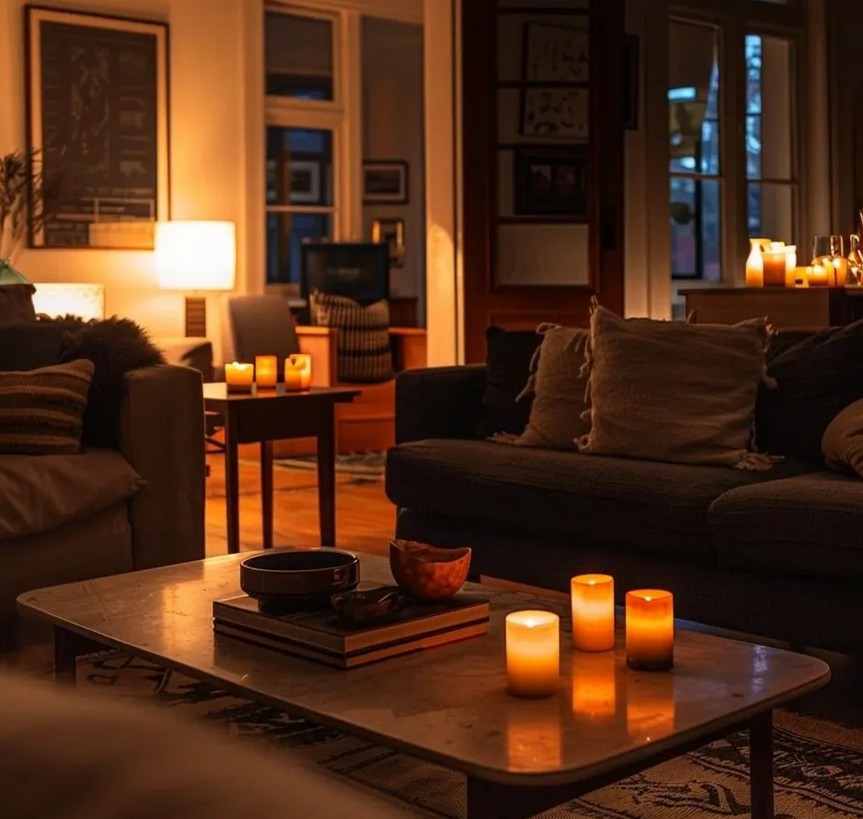
One of the most striking illustrations of this principle can be found in the critically acclaimed series The Handmaid’s Tale. The series employs warm, indirect lighting to create an engaging atmosphere. Despite its complex narrative, the lighting design captivates audiences with golden hues, soft shadows, and varied light sources, infusing each scene with significant emotional depth. Their expert usage of light — particularly warm, indirect light — not only adds visual appeal but also fosters a sense of intimacy and gentleness, even amidst the show’s more rigid and austere settings. This contrast greatly amplifies the visual potency of the series.
Nevertheless, you do not need to be a professional set designer or possess a large budget to replicate a similarly inviting atmosphere in your home. A few strategically placed warm bulbs, soft lamps, or discreet LED strips can create a marked difference in establishing a layered and welcoming ambiance.
What Is Indirect Lighting and How Can It Elevate Your Living Space?
Indirect lighting highlights subtlety and sophistication. Rather than flooding a room with harsh, direct illumination, it involves reflecting light off walls, ceilings, or concealing it behind surfaces, resulting in a gentle, diffused glow. This style of lighting does not demand attention; instead, it nurtures a calm, comfortable, and visually pleasing environment.
Common examples of indirect lighting include:
- Wall sconces that softly cast light upwards or downwards, creating a gentle wash of illumination.
- Cove lighting, where LED strips are discreetly positioned along ceiling edges, producing a seamless glow.
- Lamps with shaded tops, directing light upward to soften the environment and enhance comfort.
- Backlit panels or furniture, radiating a warm glow without harsh glare.
- Low-level stair lights, providing gentle guidance while avoiding overwhelming brightness.
- Recessed low-glare LEDs, integrated into ceilings or walls to deliver focused light without harsh brightness or visible bulbs.
This lighting style transforms any room into a warm and inviting space — offering a sense of embrace rather than interrogation, thereby encouraging relaxation and comfort.
Why Opt for Warm Lighting in Your Home Environment?
Within the realm of home lighting, two primary tones dominate: cool and warm.
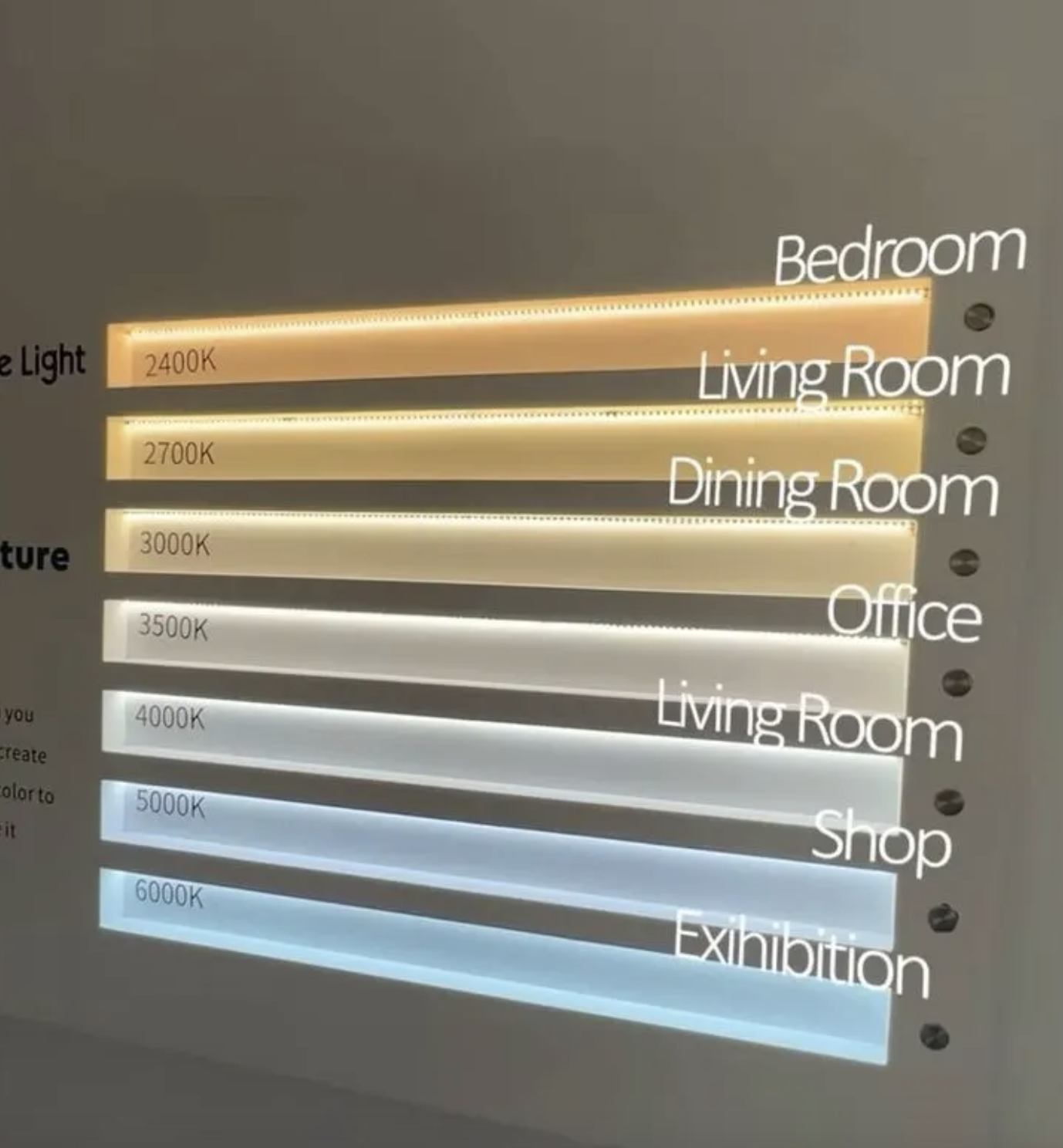
Cool light (4000K and above) often conveys a sharp and clinical feel, commonly found in office settings or retail environments. While it may enhance focus during tasks, it can also appear sterile and harsh in a home setting. Prolonged exposure to this type of lighting can adversely affect overall well-being and comfort.
Warm light (approximately 3000K or lower) mimics the gentle glow of sunsets and candlelight, promoting relaxation by supporting our natural circadian rhythms. It fosters calmness and cultivates an inviting, cosy atmosphere. This type of lighting softens the overall mood, encourages you to unwind, and signals your nervous system that it is safe to find rest.
This is why warm white lighting (between 1900K and 3000K) is highly recommended for most living areas — including bedrooms, lounges, and even kitchens. It is not only visually appealing but also beneficial for your health and overall well-being.
Professional Guidance from Hack-it Electrical for Creating Your Ideal Ambiance
- Select Warm LED Bulbs: Opt for bulbs rated between 2700K–3000K for living rooms and bedrooms. Steer clear of excessively bright or cool-white lighting.
- Layer Your Lighting: Combine ambient (general), task (reading/work), and accent (decorative) lighting to create a versatile and mood-enhancing environment.
- Utilise Dimmer Switches: Easily adjust brightness levels to establish the perfect atmosphere for any time of day.
- Incorporate Indirect Fixtures: Consider cove lights, wall washers, and hidden LED strips to add depth without overwhelming glare.
- Include Vintage or Filament Bulbs: These bulbs add character and a warm glow reminiscent of candlelight, enhancing the overall ambiance.
Illuminate Your Living Space to Enrich Your Home Experience
If your aim is to transform your residence into a cosy sanctuary with lighting that nurtures both your mood and health, Hack-it Electrical is here to assist. From insightful design consultations to expert installations, we are committed to helping you create a space that enhances your life in all the right ways.
Beyond aesthetics, warm, indirect lighting alleviates eye strain, reduces stress levels, and supports improved sleep cycles. Our mission at Hack-it Electrical is to empower you to create a home that feels good — both physically and emotionally.
Are you prepared to transform your space into a haven of comfort? Contact us today.
The Article: Inviting by Design: How Indirect Lighting Transforms Your Space first appeared on https://writebuff.com
The Article Indirect Lighting: Transform Your Space with Inviting Design Was Found On https://limitsofstrategy.com