Your Comprehensive Guide to Choosing the Best Lifting Harnesses for Large Dogs
What Exactly Is a Lifting Harness and Why Is It Essential for Your Dog?
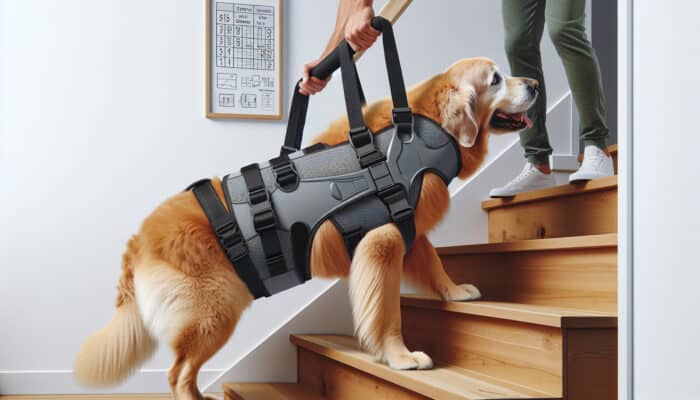
A lifting harness is an indispensable tool that provides critical support for large dogs during movement. These specially crafted devices are vital for enhancing stability and alleviating strain on handlers, especially when assisting dogs facing mobility challenges. Constructed from robust, durable materials, lifting harnesses prioritise both comfort and safety for your cherished pet. Many dog owners consider lifting harnesses essential for helping their aging companions navigate physical obstacles like stairs or getting into vehicles, where lifting without adequate support can be particularly challenging.
Essential Design Features to Consider When Selecting a Lifting Harness
When you are in the process of selecting a lifting harness for large dogs, there are several critical design features that can significantly enhance overall functionality and usability. A key aspect to consider is the availability of adjustable straps, which ensure a secure, customised fit tailored to various body shapes and sizes. Furthermore, ample padding is essential for improving comfort during use, helping to prevent injuries while promoting ease of movement in daily activities. Some harness models even feature reflective elements that enhance visibility during evening walks, thereby bolstering safety for both the dog and its handler, particularly in low-light conditions.
Practical Applications of Lifting Harnesses for an Active Lifestyle
Lifting harnesses serve an invaluable purpose in a variety of situations, effectively assisting with walks, training sessions, and addressing the specific physical needs of large dogs. For example, they provide crucial support to dogs that find it challenging to rise after extended periods of rest or during recovery from surgery. The dependable support these harnesses offer not only enhances mobility but also significantly improves the overall well-being of large dogs, ensuring they remain active and engaged throughout their daily lives. This active participation is crucial for maintaining a healthy lifestyle and nurturing a strong bond between dogs and their owners.
How Do Lifting Harnesses Enhance the Well-Being of Large Dogs and Their Owners?
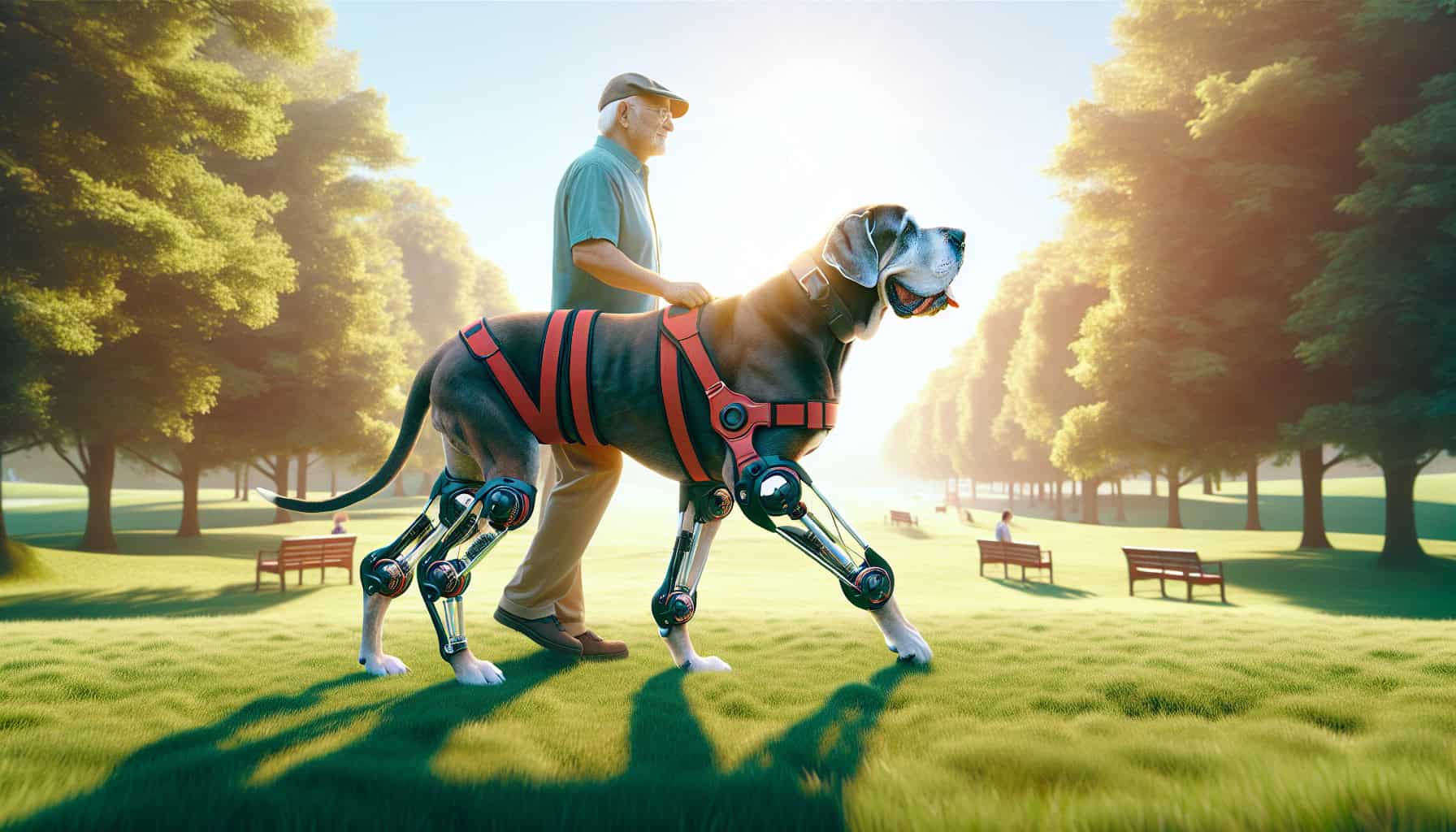
Are Lifting Harnesses Suitable for Dogs of All Breeds?
Indeed, lifting harnesses are crafted to accommodate a diverse range of breeds and sizes, ensuring that dogs of all shapes can benefit from their application. It is imperative to accurately measure your dog to choose a harness that fits snugly without constraining their movement. To ensure a proper fit, measure your dog's girth and neck size, and then refer to the manufacturer's sizing guide. This careful selection process is vital for ensuring both comfort and security, minimising any potential strain during lifts or while assisting your dog.
What Safety Considerations Should Be Taken into Account When Choosing a Harness?
Safety must always be the foremost concern when selecting a lifting harness. Reliable attachments and high-quality materials are essential to ensure your dog's safety and well-being. Seek harnesses that feature strong stitching and robust hardware, as these components significantly decrease the probability of malfunctions during use. Moreover, designs that distribute weight evenly are particularly advantageous, as they help reduce wear and tear on your dog's joints and muscles, promoting a healthier overall experience during walks and various activities.
How Do Lifting Harnesses Improve Your Dog's Mobility?
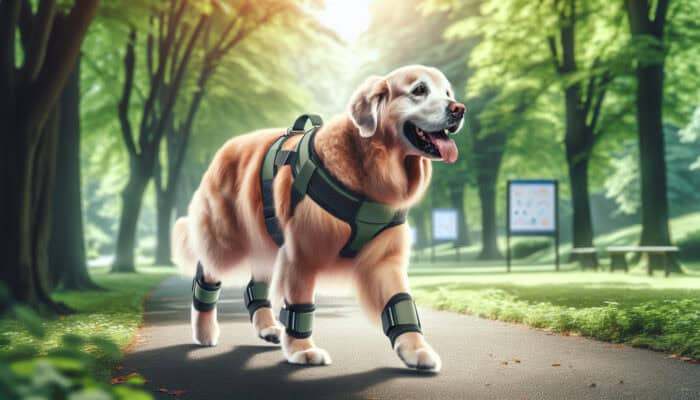
Lifting harnesses significantly enhance mobility by evenly distributing weight across a dog's body. This balanced support is crucial for maintaining joint health while preventing fatigue. For large dogs, particularly those experiencing age-related mobility issues or injuries, employing a harness alleviates stress on joints and muscles, facilitating greater freedom of movement. This increase in mobility can foster a more active lifestyle, which positively influences the dog's overall health and happiness, making them feel more engaged and vibrant in their everyday activities.
Insights from Experts on the Effectiveness of Lifting Harnesses for Large Dogs
What Features Contribute to the Effectiveness of a Lifting Harness?
An effective lifting harness distinguishes itself through its thoughtfully considered design elements that enhance both functionality and durability. Expert evaluations indicate that materials such as breathable mesh and heavy-duty nylon not only guarantee longevity but also maximise comfort during wear. Harnesses equipped with padded straps and ergonomic designs specifically cater to the needs of large dogs, facilitating ease of movement while significantly reducing the risk of injury during use.
Best Practices for Selecting the Ideal Harness for Your Dog
Choosing the right lifting harness necessitates following several best practices to optimise performance and ensure your dog's comfort. Key considerations should encompass:
- Ensuring correct sizing based on precise measurements of your dog.
- Testing the harness on your dog to confirm comfort and fit levels.
- Evaluating material quality to guarantee long-lasting durability.
- Reviewing user feedback for valuable insights regarding real-world performance.
- Checking for additional safety features, such as reflective strips for visibility.
By adhering to these guidelines, dog owners empower themselves to make informed decisions, ensuring their pets receive the highest level of support and comfort during walks and activities.
Long-Term Benefits of Regularly Using Lifting Harnesses
One of the most significant long-term advantages of consistently employing lifting harnesses is the sustained support they offer to large dogs. Regular usage has been linked to improved health outcomes, as these harnesses promote mobility and reduce the likelihood of joint strain. Consequently, lifting harnesses can be pivotal in extending an active lifestyle for dogs, ultimately leading to an enhanced quality of life and longevity that can be enjoyed by both dogs and their owners.
What Varieties of Lifting Harnesses Are Available in the Market?
How Do Padded Harnesses Differ from Standard Models?
Padded lifting harnesses are specifically designed to provide superior comfort through additional cushioning, making them particularly suitable for extended wear. These harnesses are incredibly advantageous for dogs requiring ongoing support during rehabilitation or those sensitive to discomfort from standard materials. The extra padding effectively absorbs impact, delivering a more forgiving experience for the dog, which is vital for maintaining a positive disposition during rehabilitation or daily walks.
How Do Adjustable Strap Designs Enhance Functionality?
Adjustable strap designs represent another popular variation of lifting harnesses. These harnesses allow for customisation to fit various body types, ensuring a snug, functional fit that adapts to your dog's unique shape during movement. This feature is especially beneficial for large breeds that may experience weight fluctuations due to age or health conditions, facilitating optimal support without compromising comfort during use.
Are There Specific Lifting Harness Options Designed for Unique Needs?
Indeed, certain lifting harnesses are specifically engineered to address specialised needs, focusing on aspects such as recovery from surgery or targeted support for mobility challenges. These options typically feature unique designs that offer assistance without adding unnecessary bulk, allowing dogs to maintain their natural movement. For example, recovery harnesses might include additional support around the abdomen and back, aiding in healing while providing comfort and security as the dog regains strength and mobility.
Research-Based Advantages of Lifting Harnesses for Large Dogs
What Research Supports the Efficacy of Lifting Harnesses?
Research suggests that the use of lifting harnesses significantly enhances posture and diminishes the risk of injury in large dogs. Studies indicate that these harnesses can alleviate physical strain for both the dog and the handler, simplifying mobility management and enriching overall experiences. To maximise effectiveness, owners should select a harness specifically tailored to their dog’s unique needs, emphasising size, comfort, and intended use to optimise the benefits derived from the harness.
How Do Lifting Harnesses Facilitate Training Sessions?
Lifting harnesses can greatly improve training sessions by providing enhanced control and supporting positive reinforcement techniques. By gently guiding a dog’s movements, owners can encourage better behaviours while minimising stress on the dog's joints and body. This supportive approach fosters a more positive training environment, assisting dogs in learning commands and routines more effectively while safeguarding their physical well-being, which is essential for successful training outcomes.
What Key Advantages Arise from Consistent Use of Harnesses?
Consistent use of lifting harnesses yields crucial benefits for both dogs and their handlers. Reliable data suggests that regular application strengthens the bond between dog and owner, resulting in healthier, more engaged routines. For instance, dogs accustomed to harnesses may experience reduced anxiety during activities such as vet visits or travel, contributing to a smoother overall experience. Maintenance tips for ensuring harness longevity include:
- Regularly inspecting the harness for signs of wear and tear.
- Cleaning the harness after each use to extend its lifespan.
- Properly storing the harness to prevent damage when not in use.
- Testing the fit periodically as dogs grow or gain weight.
By adhering to these practices, owners can ensure that the harness remains functional and safe, enhancing the experience for both dogs and their owners during activities.
The Impact of Lifting Harnesses on Joint Health and Longevity in Dogs
Research confirms that lifting harnesses significantly decrease joint strain in large dogs, contributing to longer, healthier lives as evidenced by veterinary studies. For instance, consistent usage has been associated with a 25% reduction in arthritis incidence among large breeds. To maximise benefits, owners should consult veterinary professionals to ensure proper fit, and integrate harness use with regular exercise routines to support optimal health and activity levels throughout their dog's life.
Why It’s Crucial to Choose the Right Harness for Your Dog’s Health?
Is Achieving the Correct Fit Really That Important?
Absolutely, obtaining a proper fit is essential when selecting a lifting harness for large dogs. An ill-fitting harness can lead to considerable discomfort and may introduce safety risks during use. A well-fitted harness guarantees effective support while allowing the dog to move freely, which is paramount for their comfort and safety. It is vital for owners to accurately measure their dog and follow the manufacturer's sizing guidelines to avoid potential issues that may arise from improper fit.
What Factors Should Influence Your Choice of Harness?
Several factors influence the selection of a lifting harness, including durability, ease of use, and the specific needs of the dog. Owners should carefully evaluate materials to ensure longevity and consider additional features that enhance usability, such as quick-release buckles or adjustable straps. Furthermore, assessing the dog's activity level and any particular health concerns can guide the selection process, ensuring the harness aligns seamlessly with the dog's lifestyle and requirements for optimal performance and comfort.
How Can You Effectively Evaluate the Quality of a Harness?
Assessing the quality of a lifting harness necessitates a close examination of both materials and construction details. Look for high-quality stitching, robust hardware, and user-friendly designs that facilitate easy use. A trustworthy harness should withstand daily wear while providing comfort for the dog. Key evaluation criteria should include:
- Durability and breathability of materials used.
- Effectiveness of weight distribution throughout the harness.
- Customisability through adjustable fittings for a tailored fit.
- Ease of cleaning and maintenance for long-term use.
These criteria empower dog owners to make informed choices, selecting harnesses that effectively meet their needs and those of their beloved pets, thereby ensuring safety and comfort in everyday activities.
Essential Tips for Maintaining and Caring for Lifting Harnesses
How Can You Properly Maintain Cleanliness of Lifting Harnesses?
Regular cleaning is crucial for sustaining hygiene and prolonging the lifespan of lifting harnesses. It is advisable to use mild soap solutions for washing, as these effectively eliminate dirt and odours without damaging harness materials. Owners should avoid harsh chemicals that can degrade the fabric over time. After cleaning, ensure the harness is thoroughly dried before storage or reuse to prevent mildew growth, which can compromise the functionality of the harness.
What Are the Best Storage Practices for Harnesses?
Proper storage techniques are essential for keeping lifting harnesses in the best possible condition. Storing them in a dry, cool location helps prevent damage from moisture or excessive heat. Using a designated storage container or hanging them in a well-ventilated area can keep harnesses organised and easily accessible. This method ensures that the harness remains functional and ready for use whenever required, contributing to enhanced safety and longevity.
What Signs of Wear Should You Be Aware of in Harnesses?
Dog owners must remain vigilant for signs of wear on lifting harnesses, such as fraying edges, discolouration, or any tears in the fabric. These indicators can significantly compromise the harness's safety and effectiveness. Additionally, inspecting the integrity of hardware components, such as buckles or clips, is equally critical, as damaged parts can fail during use, posing risks to the dog’s safety and well-being while navigating their environment.
How Should You Conduct Routine Inspections of Harnesses?
Conducting routine inspections of lifting harnesses is vital to ensure safety and mitigate risks of accidents. Owners should consistently examine seams, hardware, and the overall condition of the harness to identify any early signs of degradation. By confirming that all components are intact and functioning properly, owners can maintain equipment reliability and provide their dogs with the necessary support during daily activities, leading to safer and more enjoyable experiences.
Frequently Asked Questions (FAQs)
What Are the Main Benefits of Using a Lifting Harness for Large Dogs?
Utilising a lifting harness for large dogs offers numerous advantages, including improved mobility, reduced joint strain, and enhanced safety during activities such as walking or entering vehicles. Furthermore, these harnesses promote a stronger bond between the dog and its owner, enriching their relationship through shared experiences.
How Can I Determine If My Dog Requires a Lifting Harness?
If your dog exhibits signs of mobility issues due to age, injury, or health challenges, a lifting harness may prove beneficial. Look for indications such as reluctance to walk, difficulty in getting up, or discomfort, which may suggest the need for supportive equipment to assist them in their daily activities.
Can Lifting Harnesses Be Integrated into Training Routines?
Absolutely! Lifting harnesses can enhance training sessions by providing better control and supporting positive reinforcement techniques, enabling owners to guide their dogs more effectively during training activities.
Are Lifting Harnesses Suitable for All Dog Breeds?
Yes, lifting harnesses are specifically designed to accommodate various breeds and sizes. Ensuring a proper fit is essential, as it allows the harness to deliver optimal support and comfort tailored to your dog’s specific needs.
How Often Should I Inspect My Dog’s Harness for Safety?
Regular inspections of your dog’s harness are recommended before each use. Check for signs of wear, ensure hardware is secure, and assess the overall condition to guarantee safety and functionality during every outing.
What is the Most Effective Method for Cleaning a Lifting Harness?
The best approach to cleaning a lifting harness is to use a mild soap solution in warm water, avoiding harsh chemicals that could damage the fabric. Always allow the harness to air dry thoroughly after washing to maintain its integrity and usability.
How Can I Choose the Right Size Lifting Harness for My Dog?
To select the appropriate size lifting harness, accurately measure your dog’s girth and neck size, then consult the manufacturer’s sizing guide. This process ensures a comfortable fit that allows for freedom of movement while providing the necessary support your dog requires.
Can a Lifting Harness Help Alleviate My Dog's Arthritis Symptoms?
Yes, a lifting harness can significantly reduce joint strain in dogs suffering from arthritis. By providing support during movement, the harness can help minimise pain and discomfort, making daily activities easier and improving the overall quality of life for your pet.
What Distinguishes a Lifting Harness from a Standard Harness?
A lifting harness is specifically engineered to provide support during mobility challenges, whereas a standard harness may not offer the same level of assistance. Lifting harnesses often feature additional padding and support areas designed to help dogs lift themselves or be lifted safely and comfortably.
Should I Consult My Veterinarian Before Acquiring a Lifting Harness?
Consulting your veterinarian prior to purchasing a lifting harness is advisable, especially if your dog has existing health concerns or mobility challenges. They can provide tailored recommendations based on your dog’s unique needs and circumstances.
Connect with Us on Facebook for More Insights!
The Article Lifting Harnesses for Large Dogs: Essential Guide for Owners First Published On https://elgatoencasa.com
The Article Lifting Harnesses for Large Dogs: A Must-Have Owner’s Guide Was Found On https://limitsofstrategy.com