
Last Updated on May 14, 2026 by David
What Challenges Were Encountered During the Restoration of This Nottingham Hallway?
A Thorough Assessment of the Original Flooring Condition for Optimal Restoration
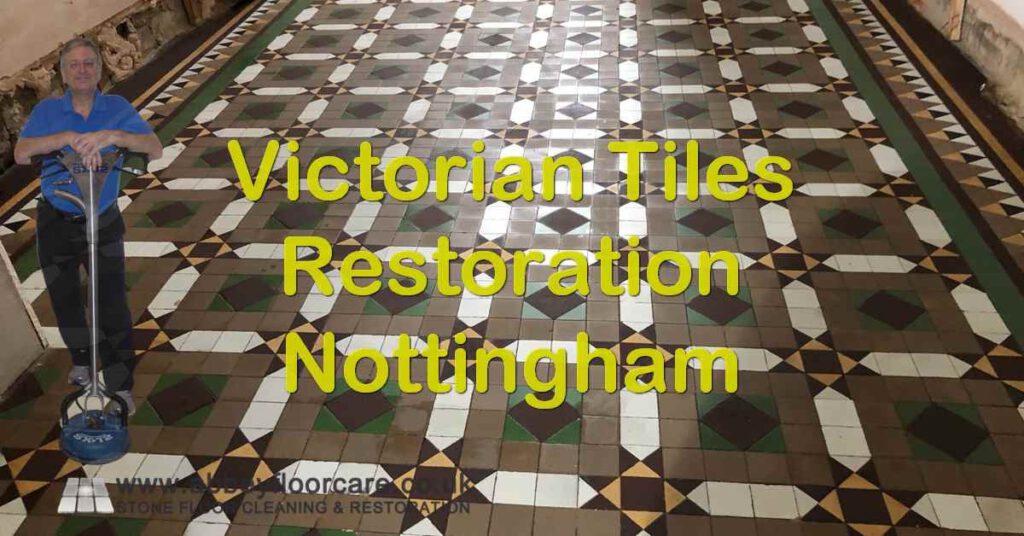
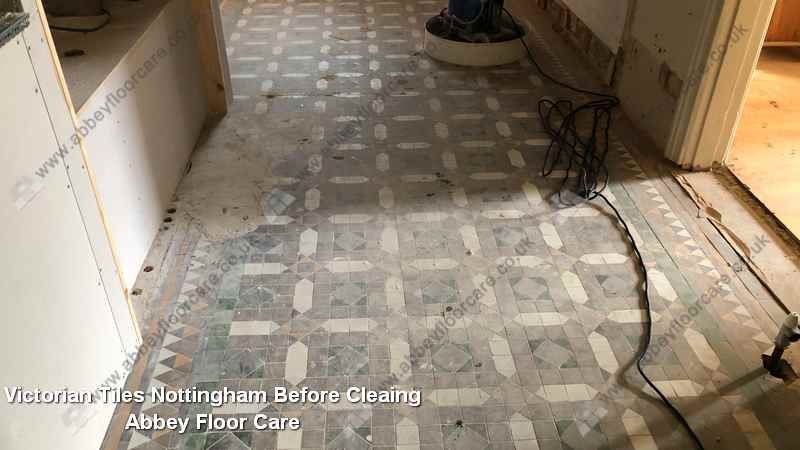
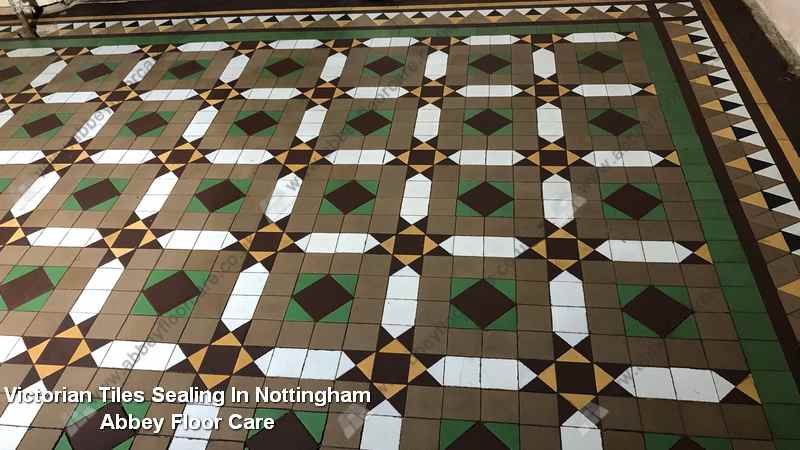
Should your Victorian tile flooring display signs of wear, discolouration, and seem beyond repair, the fundamental issue often lies not in total disrepair but in outdated coatings and ingrained residues that obscure the original clay’s beauty. The hallway situated in The Park Estate of Nottingham had a lacklustre surface blemished by darkened grout lines, missing tiles, and insufficient protective measures. These factors combined to create a flat geometric pattern, diminishing the tiles’ vibrant charm. Continuous foot traffic had significantly worn down the primary walking paths, while outdated surface treatments trapped dirt in the entrance area, complicating the restoration process further.
The restoration journey for this Victorian tile floor commenced with a meticulous endeavour to distinguish visible damage from recoverable original material. In my extensive professional experience, this differentiation is crucial for effective restoration. Despite the hallway revealing signs of decades of wear, neglect, and isolated damage, the original pattern still maintained enough clarity to inform a careful and authentic restoration strategy. The approach prioritised genuine restoration rather than superficial cosmetic fixes, aiming to recover lost colour and stability while respecting the character inherent in the original tiled entrance.
Nottingham features a rich variety of Victorian and Edwardian terraced houses, interwar semi-detached homes, and converted period properties from the late 19th and early 20th centuries, particularly in older neighbourhoods near the city centre. Victorian tile floors are commonly found in entrance hallways, porches, vestibules, and occasionally kitchens, where original geometric or encaustic designs have survived beneath later flooring materials. Situated in Nottinghamshire in the East Midlands, Nottingham is abundant with period properties scattered throughout regions governed by the NG postcode districts and the Nottingham City Council.
Recognising Residue Accumulation and the Consequences of Insufficient Protection
The degradation caused by outdated coatings left this Nottingham hallway looking significantly dirtier than any standard cleaning routine could remedy. Layers of wax, obsolete sealers, surface coatings, and softened residues had built up within the tile pores and along the grout lines, forming a dull film that traditional washing merely displaced without addressing the underlying issues. Victorian encaustic and geometric tiles undergo a high-temperature clay-firing process, making their surfaces chemically stable but physically vulnerable to abrasion and adverse reactions with acidic cleaning agents.
The residue film accumulation was identified as a project condition rather than an issue for the homeowner to diagnose independently. Old sealers, stripped patches, exposed fragile clay, ingrained dirt, coating removers, and residues all played significant roles, as the contamination had settled into the surface rather than merely resting loosely atop it. Similar challenges regarding old coatings and colour recovery are discussed in restoring colour to faded Victorian mosaic tiles, where the same principles of residue and pigment influence the final appearance. This Nottingham project required a similarly cautious approach, as aggressive cleaning pads could strip original colour while still leaving residues trapped in lower areas.
The porosity of the tiles further clarified why the hallway continued to retain dirt even after previous cleaning attempts. The unglazed tiles, embedded soiling, surface dirt, the inherent characteristics of clay tiles, cleaning product absorption, pre-wet control, rinsing stages, porous condition, and stain removal strategies all influenced how much residue could be effectively lifted. The floor required sufficient chemical action to loosen grime but not so much water that it could allow dirty liquid to penetrate the clay and reactivate underlying problems. Striking that balance presents a significant challenge.
Understanding Moisture Dynamics Beneath the Hallway Floor
Old permeable sub-floors fundamentally altered the restoration strategy required for this Nottingham hallway. Water could easily seep through the tile surface, excessive moisture could cause movement or lifting of edges, and dampness had to be treated as a standard condition rather than an anomaly. The floor was assessed as having a moisture-active subfloor scenario since many original period hallways were constructed without modern separation beneath the clay tiles.
Moisture management significantly influenced the cleaning, drying, and sealing protocols throughout the restoration process. A damp-proof membrane was not assumed; thus, considerations regarding moisture, extended drying periods, thorough cleaning processes, winter conditions, damp meter checks, salt presence, and sealing readiness all shaped the restoration plan. Similar moisture-aware restoration strategies can be found in worn Victorian Minton floor restoration, where original tiles, loose areas, and breathable protection had to operate in conjunction. The same principles applied here: thoroughly clean the floor, extract moisture promptly, and allow the base to dry before applying protective measures.
Air blower drying played a vital role in the restoration after the wet work was completed. Accelerated drying, overnight drying, damp test meter readings, floor dryness checks, airflow management, sealing readiness, and stain protection were essential, as trapped moisture could jeopardise the final finish. The drying stage was not merely cosmetic; it was critical in determining whether the sealer could adequately protect the clay surface without trapping dampness beneath.
Evaluating Recoverable Original Material for Authentic Restoration
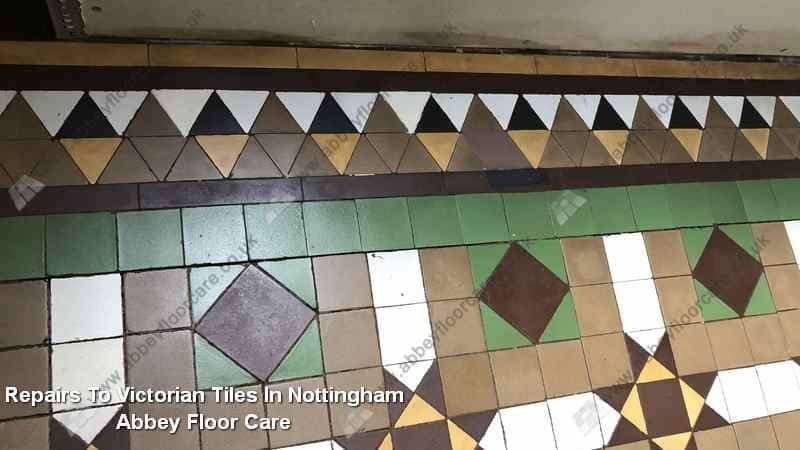
Missing and damaged tiles contributed to an impression of greater disrepair than what the surviving pattern actually indicated. Surrounding original tiles retained sufficient border, repeat, and colour information to guide precise project planning, and repairs were carried out in proportion to the overall condition of the hallway. The floor underwent a detailed inspection for damage caused by carpet installations, old nail marks, missing tiles, and weak repairs prior to final cleaning and sealing decisions being made.
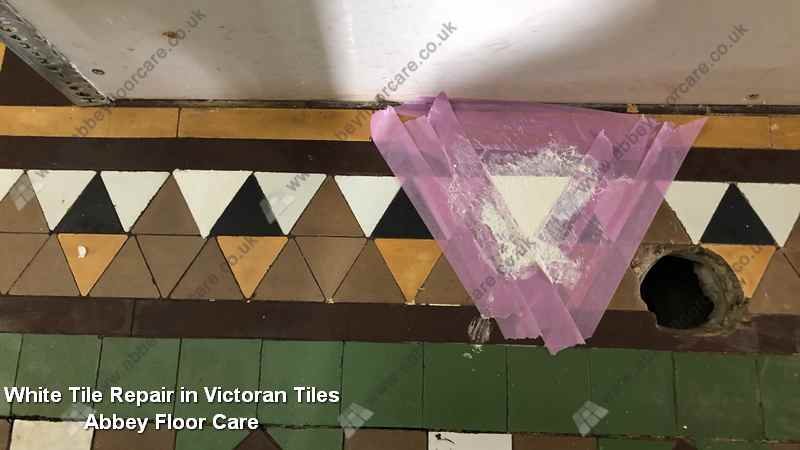
Lead holes provided intriguing insights into the visible history of the previously covered floors. Drilled holes, molten lead remnants, marks from carpet fixing, nail damage, perimeter issues, adjacent tiles, removed tiles, salvaged tiles, colour matching, and damaged lines can surface where old carpet systems were affixed through period clay. This Nottingham floor necessitated limited repair rather than a complete rebuild, and the repair strategy prioritised preserving as many original tiles as possible.
Rubber underlay shadow marks can persist on covered period floors long after carpets have been removed. Issues related to carpet underlay, rubber degradation, absorbed marks, shadow marks, undulations, chemical cleaning, a covered floor, surface staining, and prolonged contact can leave darker areas that require careful evaluation before any claims of full removal can be substantiated. What we often observe is a complex amalgamation of residue, staining, and physical wear across the same flooring.
The geometric pattern layout established the boundaries of the restoration. The border, repeat, main design, patterned hallway floor, intricate borders, and precision matching needed to remain distinct after repairs rather than being replaced with modern-looking patches. A related completed project that highlights the original layout, loose sections, and repair planning can be found in Victorian tile restoration in Penkhull, where the same evidence-based approach illustrates how repair and cleaning decisions remained within the scope of restoration. This Nottingham hallway required that same level of restraint, as the value lay in the surviving period tile scheme.
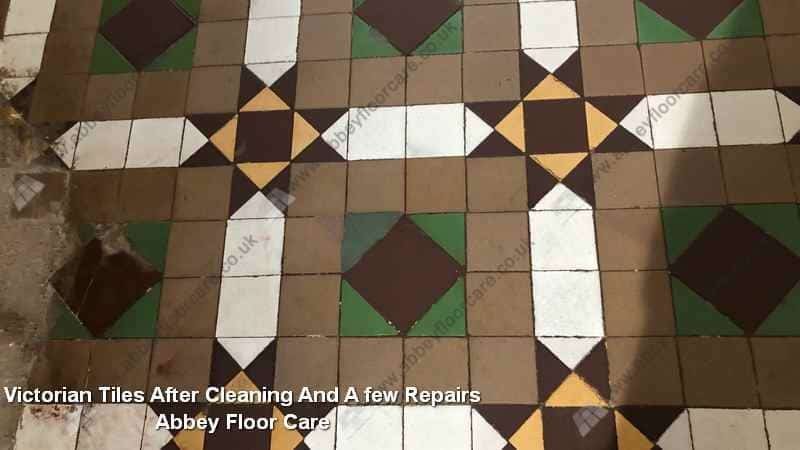
A successfully restored Victorian tile floor reveals the original fired matte surface characterised by consistent colour and pattern, while a suitably applied topically sealed surface—where appropriate—imparts a subtle protective sheen without altering the period character. The expected outcome focused on achieving stronger original colour, clearer patterns, and facilitating easier day-to-day cleaning, avoiding an artificial new-build appearance. Proper ongoing maintenance—utilising pH-neutral cleaning, grit removal before wet mopping, and resealing at appropriate intervals—remains the single most critical factor in prolonging the floor’s life. Broader cleaning routines are addressed in the Victorian and Minton tile cleaning hub. Acidic cleaners were intentionally avoided, as they can roughen the fired clay surface and exacerbate future soiling issues.
What Contributed to the Persistent Dirt and Dark Grout on the Hallway Floor?
The porosity of the tiles draws dirty rinse water and loosened residue back into the clay and grout lines following standard mopping procedures. The Nottingham hallway exhibited open surface pores, trapped old coatings, scrubbed residue, and discoloured gaps that continued to retain contamination after every wash. The contamination in the grout joints led to darkening, as old coatings, gaps, deteriorated materials, rinse water, and trapped dirt continually contributed to the dull surface appearance.
Mopping merely shifts residue; extraction effectively removes it.
Slurry extraction significantly enhanced results, as the dirty liquid was removed before it could re-dry back into the floor. This process relied on loosening slurry, wet vacuum recovery, rinse control, and immediate extraction instead of allowing grime to settle back into the tile pores and joints. Without that critical extraction stage, the hallway would have only appeared briefly cleaner before the same residue returned across the surface.
How to Employ Precision Techniques for Deep Residue Removal Without Damaging Original Tiles
Excessive scrubbing can inflict irreparable damage on original Victorian tiles when residue is misidentified as mere surface dirt rather than a substantial restoration challenge. The Nottingham floor required a strategy incorporating softened old coatings, controlled agitation, wet vacuum recovery, and meticulous repair planning, while avoiding abrasive over-cleaning. The restoration sequence adhered to a preservation-led approach outlined in the right way to restore Victorian tiles, ensuring that failed sealer removal, moisture management, and tile replacement remained within a controlled restoration framework. This careful approach safeguarded the original clay surface while effectively eliminating the unsightly residue layer.
Careful extraction removed softened grime before it could settle back into the surface. Old sealer, strong alkaline cleaners, coating removers, soak times, scrubbed residues, cleaning pad application, chemical actions, and rinse controls were all meticulously managed to ensure the surface could be cleaned without flooding the base. Lead holes and minor repair points were evaluated alongside drilled holes, carpet fixing marks, nail damage, and surrounding tiles to ensure that repair decisions remained coherent and proportionate.
How Did the Restored Hallway Achieve Enhanced Colour Clarity and Simplified Maintenance?
If your Victorian tile appears lacklustre after deep cleaning, the final protection stage is crucial in determining how vibrantly the colour returns. The Nottingham hallway was sealed only after thorough drying checks, as porous tiles, historical flooring conditions, assumptions regarding the absence of damp proof membranes, low sheen protection, moisture entrapment risks, and the tile body all influenced the choice of finish. Once completed, the floor regained its stronger colour and appeared significantly improved compared to its pre-restoration condition.
Utilising a breathable colour enhancement significantly amplified the clay tones without imposing a heavy surface barrier. The sealer functioned as both a colour enhancer and impregnator, penetrating the pores, adding protection, remaining breathable, resisting oil stains, being buffed off, and leaving no coating film over the Victorian tiles. A professionally restored and correctly sealed floor is far easier to clean and maintain than a worn or improperly treated floor. The difference becomes starkly apparent quite swiftly, particularly in high-traffic entrance hallways.
Post-restoration maintenance serves to protect the original colour by minimising grit abrasion and residue accumulation. A neutral pH cleaner, regular removal of dry soil, and appropriate resealing intervals help maintain surface cleanliness for an extended period, while products containing acidic or bleach-based ingredients should be strictly avoided due to their potential to roughen the fired clay and undermine future protective measures. The final appearance was preserved as a low-sheen period finish, avoiding a modern glossy layer that could detract from the historic character.
Discover More About Victorian Tile Restoration Projects and Heritage Flooring Insights
Victorian tile restoration projects vary widely, as contamination, dark grout, and moisture behaviour interact differently across each period floor. This Nottingham hallway exemplified how tile porosity, absorbed marks, rubber underlay shadow marks, grout darkening, and residues from old coatings can converge with repair requirements in a single entrance floor. A broader exploration of cleaning, aftercare, and related clay floor issues can be found in the Victorian and Minton tile cleaning hub, which assists homeowners in comparing maintenance and restoration pathways. These same maintenance principles simplify the care of a restored floor once the project is completed.
The completed repairs were evaluated in relation to the entirety of the hallway rather than isolated close-up patches. Matching colour, original patterns, repairs, replacement pieces, salvaged tiles, geometric borders, and damaged sections had to harmonise with the surviving tile scheme. The final appearance of the restored floor improved significantly, allowing the entrance to return to its practical daily use while preserving its historic character.

David Allen — Abbey Floor Care
David Allen has dedicated over 30 years to restoring Victorian tile floors for Abbey Floor Care, including this Nottingham case study where old residue, dark grout, and damaged areas were addressed. His focus centres on controlled restoration, original material retention, and compatible sealing, enabling period clay floors to reclaim their colour while maintaining their historical integrity.
The Article Victorian Tile Restoration Saved This Floor first found on https://www.abbeyfloorcare.co.uk
The Article Victorian Tile Restoration Revives a Stunning Floor appeared first on https://fabritec.org
The Article Victorian Tile Restoration Transforms Beautiful Floors Was Found On https://limitsofstrategy.com
The Article Victorian Tile Restoration: Transforming Your Beautiful Floors found first on https://electroquench.com