Proven Strategies for Selecting Premium Ingredients for Bone Broth
What Are the Best Practices for Selecting Fresh, Nutrient-Dense Bones?

Choosing high-quality bones is essential for crafting a nutrient-rich bone broth that enhances gut health. Focus on bones abundant in marrow and connective tissue, such as knuckles, joints, and feet. These specific areas are rich in collagen, gelatin, and vital minerals that infuse the broth during the slow simmering process, thus significantly enriching its nutritional value.
Freshness is crucial; source your bones from reputable butchers or local farms. The quality of the bones directly impacts the nutrient composition of your broth. When simmered for extended periods, these bones release beneficial compounds that contribute to digestive wellness and holistic health.
How Do Fresh Vegetables and Herbs Enhance the Quality of Bone Broth?
Incorporating fresh vegetables and herbs into your bone broth not only elevates its flavour but also boosts its nutritional content. Classic choices like onions, carrots, and celery add a natural sweetness and depth. These vegetables are rich in essential vitamins and minerals that harmonise with the nutrients in the broth.
Herbs such as thyme, parsley, and bay leaves introduce aromatic elements that enhance the flavour without overwhelming the primary ingredients. Whenever feasible, choose organic produce to minimise exposure to harmful pesticides and chemicals, further enhancing the health benefits of your broth.
What Role Does Vinegar Play in Bone Broth Preparation?
Vinegar is a vital ingredient in the preparation of bone broth, as it facilitates the leaching of minerals from the bones. A small amount of apple cider vinegar or white vinegar is typically included before cooking begins. This acidic component helps break down the bone structure, releasing essential nutrients such as calcium, magnesium, and phosphorus into the broth.
By aiding mineral extraction, vinegar significantly enhances the overall health benefits of the broth. The minerals absorbed by the gut lining support repair and regeneration, making bone broth a powerful ally in promoting digestive health.
Why Is It Important to Use Bones from Grass-Fed Animals?
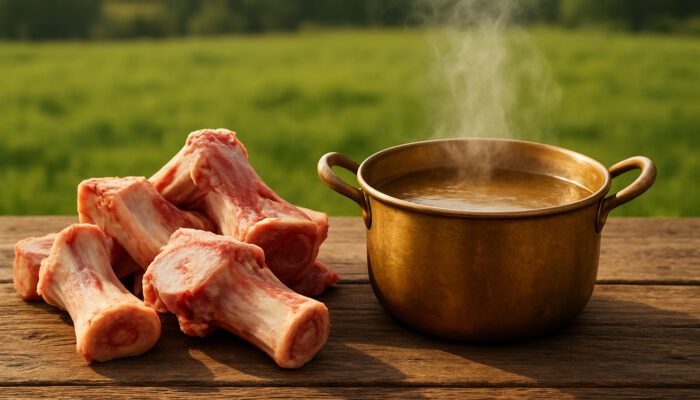
Selecting bones from grass-fed and pasture-raised animals is crucial for maximising the nutritional density of your bone broth. These sources typically contain higher levels of omega-3 fatty acids, vitamins, and minerals compared to conventionally raised livestock. An animal’s diet directly influences the nutrient profile of its bones.
Bones from grass-fed animals are also richer in collagen, essential for fortifying the gut lining. This collagen not only aids digestion but also promotes joint health, making your broth a versatile addition to a health-centric diet.
How Does the Quality of Water Influence Bone Broth?
The quality of water used in making bone broth is equally significant. Opt for filtered or spring water to remove chlorine, fluoride, and other impurities that may hinder mineral extraction from the bones. Clean water ensures that your broth retains its purity, allowing the natural flavours and nutrients to shine through.
Using high-quality water also enhances the overall taste and health benefits of the broth. A well-prepared broth should be rich in both flavour and nutrients, both of which improve with the quality of water used.
Crucial Techniques for Creating Gut-Healing Bone Broth Recipes
Preparation Strategies for Optimising Nutrient Extraction

To maximise nutrient extraction while achieving a balanced flavour, simmer your bone broth for at least <a href="https://cookinggods.com/top-tips-for-pressure-canning-at-home-safely-essential-guidelines/">12 to 24 hours</a>. A slow cooker or stovetop on low heat is ideal for this purpose. The extended cooking time allows collagen and minerals to seep from the bones, resulting in a rich and nourishing broth.
Maintaining the correct temperature is essential; keep the broth at a gentle simmer rather than a vigorous boil. This method prevents cloudiness and ensures a smoother texture. Regularly skimming any foam that rises to the surface will help maintain clarity and enhance the overall quality of your broth.
What Are the Optimal Ratios of Ingredients for Bone Broth?
Experts recommend a ratio of approximately 2-3 pounds of bones to 10-12 cups of water for ideal gelatin content. This balance ensures that the broth is nutrient-dense while maintaining an enjoyable texture. Feel free to adjust the ratio slightly to suit your personal taste preferences.
Incorporating a variety of bones, particularly those high in collagen such as oxtails or short ribs, can enhance the gut-healing properties of your broth. This strategy not only improves flavour but also guarantees a diverse nutrient profile that supports digestive health.
Why Is It Beneficial to Use a Variety of Ingredients to Enhance Flavour?
- Enhanced flavour profile
- Improved aroma
- Balanced taste
- Increased nutritional value
- Diverse textures
Which Ingredients Are Most Effective in Promoting Gut Health?
How Do Garlic and Ginger Contribute to Your Health?
Garlic and ginger are potent additions to bone broth, each providing unique gut-healing benefits. Garlic is rich in allicin, recognised for its antimicrobial properties that can soothe the digestive tract. Regular consumption of garlic-infused broth may encourage the growth of beneficial gut bacteria, fostering a healthier microbiome.
Ginger, known for its anti-inflammatory qualities, can alleviate digestive discomfort. Including these roots in your broth not only enhances flavour but also supports overall gut health, making your broth a delicious and therapeutic option for daily consumption.
How Do Leafy Greens Enhance Nutritional Value?
Incorporating leafy greens such as spinach, kale, or Swiss chard into your bone broth can significantly boost its nutritional profile. These greens are rich in fibre, vitamins, and antioxidants, which complement the healing effects of the broth on the gut microbiome. They provide essential nutrients that promote digestion and overall wellness.
Adding greens also introduces a fresh, vibrant element to the broth, enhancing both flavour and visual appeal. The combination of bone broth and greens creates a nutrient-dense meal that can be enjoyed on its own or as a base for soups and stews.
How Can Spices Enhance the Flavour of Bone Broth?
Mild spices like turmeric, cumin, and coriander can elevate the flavour of your bone broth while supporting digestion. These spices contain natural enzymes that complement the core nutrients of the broth, thereby further promoting digestive health. They add warmth and complexity without overshadowing the main flavours.
Experimenting with a variety of spices allows for a personalised touch, making each batch of broth unique. This versatility ensures you can enjoy a range of flavours while still benefiting from the gut-healing properties of the broth.
What Are the Evidence-Based Benefits of Bone Broth?
How Can You Incorporate Bone Broth into Your Daily Routine?
Integrating bone broth into your daily diet can lead to substantial improvements in gut health. Aim to consume one cup of bone broth each day, whether enjoyed on its own, used as a base for soups, or added to sauces. Consistency is crucial; regular consumption supports the gut lining and enhances overall digestive function.
To maximise benefits, consider preparing larger batches and storing them in individual portions. This approach simplifies the incorporation of broth into your meals throughout the week, ensuring you receive a wide array of nutrients that support gut health.
What Is the Importance of Collagen in Bone Broth?
Research indicates that bone broth is an excellent source of collagen, vital for tissue repair and joint comfort. Collagen supports the integrity of the gut lining, reducing the risk of leaky gut syndrome and facilitating improved nutrient absorption. Regular consumption of collagen-rich broth can lead to noticeable enhancements in digestive health over time.
Beyond gut-specific advantages, the collagen in bone broth also boosts skin elasticity and joint health. This multifaceted benefit makes bone broth a valuable addition to a balanced diet, contributing to overall wellness from within.
Why Is It Important to Monitor Amino Acid Profiles for Optimal Health?
Bone broth is rich in essential amino acids, including glycine and proline, which play critical roles in regulating inflammation and supporting restorative processes in the digestive system. Glycine, in particular, is known for its calming effects on the gut and its capacity to aid stomach acid production, enhancing digestion.
Monitoring your intake of amino acids through bone broth can offer insights into your overall health. By ensuring a consistent supply of these essential nutrients, you can support your body’s natural healing processes and maintain optimal digestive function.
How to Tailor Your Bone Broth to Suit Your Preferences
Modifying Simmer Durations for Desired Outcomes
Adjust the simmer duration of your bone broth based on personal preference and intended results. Longer cooking times, typically 24 to 48 hours, extract a greater quantity of minerals and collagen, resulting in a richer, thicker broth. This method is ideal for those seeking maximum health benefits and robust flavour.
Conversely, shorter simmer times, around 6 to 12 hours, preserve delicate flavours and prevent over-extraction, which can lead to bitterness. Striking the right balance allows you to create a broth tailored to your taste while still enjoying the gut-healing benefits.
How Can You Incorporate Various Proteins for Enhanced Nutrition?
Incorporating different proteins into your bone broth can enhance its texture and nutritional density. Consider adding chicken, beef, or fish bones to create a unique flavour profile. Each type of protein contributes different amino acids and nutrients, enriching the broth further.
This experimentation not only diversifies the nutritional content but also opens the door to creative culinary exploration. Adjusting the types of bones used can lead to exciting new flavours while maintaining the broth’s healing properties.
What Are the Advantages of Creating Variety in Your Bone Broth?
- Diverse flavour profiles
- Enhanced nutritional content
- Adaptability for dietary requirements
- Creative culinary opportunities
How Can Herbal Enhancements Provide Additional Advantages?
Herbs and spices can significantly enrich the flavour and nutritional profile of your bone broth. Fresh herbs like basil, cilantro, and dill introduce vibrant flavours, while dried herbs such as oregano and thyme add depth. This incorporation not only boosts taste but also contributes additional antioxidants and nutrients.
Experimenting with various herbs provides endless variety tailored to personal tastes and health goals. By maintaining core preparation methods while adjusting the herbs used, you can create unique broths that align with your dietary preferences and wellness objectives.
Best Practices for Storing and Serving Bone Broth
What Are the Best Methods for Cooling and Freezing Bone Broth?
Proper cooling and storage are crucial for maintaining the quality of your bone broth. Allow it to cool to room temperature before transferring it to airtight containers. For long-term storage, consider freezing portions in freezer-safe bags or containers, which can last for several months without losing their gut-healing properties.
When you’re ready to use the broth, thaw it in the refrigerator overnight or gently reheat it on the stove. This method preserves the nutrients and flavour, ensuring your broth remains a wholesome addition to your meals.
What Are the Ideal Serving Temperatures for Bone Broth?
The serving temperature can significantly impact the enjoyment and health benefits of your bone broth. Warm servings enhance comfort and facilitate better nutrient uptake, making it an excellent option for sipping or as a base for soups. Conversely, chilled broth can be refreshing, particularly in warmer months or as part of lighter meals.
Adjusting the serving temperature based on seasonal preferences and personal tastes can enhance the overall experience of consuming bone broth, making it a versatile addition to your diet throughout the year.
How Can You Seamlessly Integrate Bone Broth into Your Daily Meals?
Bone broth is incredibly versatile and can be effortlessly included in your daily meals. Use it as a base for soups, stews, risottos, or sauces to enhance both flavour and nutritional content. Alternatively, sipping it alone can provide a comforting, nourishing experience that supports digestive health.
Incorporating broth into your routine ensures you consistently reap its gut-healing benefits. This adaptability makes it an invaluable component of a health-conscious diet, providing ongoing support for digestive wellness.
What Are Common Inquiries Regarding Bone Broth?
Which types of bones are ideal for crafting bone broth?
The best bones for bone broth include knuckles, joints, and feet, as they are rich in collagen and marrow, contributing to a nutrient-dense broth.
How long should I simmer bone broth for optimal results?
For optimal nutrient extraction, simmer bone broth for at least 12 to 24 hours. Longer cooking times yield richer flavours and more nutrients.
Can I use frozen bones in my broth?
Yes, frozen bones can be utilised for broth. Just ensure they are properly thawed before adding them to the pot for simmering.
Is it essential to add vinegar to bone broth?
Adding vinegar helps extract minerals from the bones, enhancing the nutritional profile of the broth. A small quantity is recommended for the best results.
What is the most effective way to store bone broth?
Cool the broth to room temperature, then transfer it to airtight containers. It can be refrigerated for up to a week or frozen for several months.
Can I add other proteins to my bone broth?
Absolutely! Incorporating different proteins like chicken or fish bones can enhance the flavour and nutritional content of your broth.
What are the health benefits of consuming bone broth?
Bone broth is rich in collagen, amino acids, and minerals that support gut health, joint comfort, and skin elasticity, making it a nutritious addition to your diet.
How often should I consume bone broth for optimal benefits?
Aim to consume at least one cup of bone broth daily for the best gut health benefits. Consistency is key to experiencing its full advantages.
Can I substitute vegetable broth for bone broth?
While vegetable broth can be nutritious, it lacks the collagen and amino acids found in bone broth, which are crucial for gut healing and joint health.
Which spices are best for enhancing the flavour of bone broth?
Mild spices like turmeric, garlic, and ginger enhance the flavour and provide additional health benefits, making them excellent choices for bone broth.
Visit our Facebook profile today!
The post Best Recipes for Gut-Healing Bone Broth: Delicious Options appeared first on https://cookinggods.com
The Article Gut-Healing Bone Broth: Delicious Recipes to Try Was Found On https://limitsofstrategy.com
The Article Gut-Healing Bone Broth: Tasty Recipes to Explore found first on https://electroquench.com