Master the Art of Asymmetrical Cuts for Stunning Designs
What Defines an Asymmetrical Cut and Its Unique Characteristics?

Understanding the nuances of an asymmetrical cut is crucial for achieving designs that are visually striking and memorable. These distinctive cuts break away from conventional symmetry and require a meticulous approach to maintain balance and aesthetic appeal. The core of an asymmetrical cut involves precise measurements and intentional modifications that create both visual intrigue and harmony. Such cuts are versatile, finding their place in various fields including fashion, architecture, and woodworking. Essential elements for successfully executing asymmetrical cuts encompass:
- Dynamic proportions that capture and engage the observer's attention.
- Meticulous measurement to ensure accuracy and consistency throughout the design.
- Adjustment techniques suitable for a range of materials.
- Visual balance achieved through deliberate design choices.
- Harmonious flow maintained across the cut.
- Versatility in application across a multitude of industries.
- Innovative reinterpretations of established design principles.
- Reinforcement of structural integrity within the overall creation.
By mastering these fundamental principles, creators can confidently implement asymmetrical cuts that not only captivate audiences but also effectively meet functional needs.
What Core Principles Should Guide Effective Cutting Techniques?
Achieving precision in cutting relies heavily on the use of high-quality tools and refined methodologies. These cutting techniques foster uniformity and adaptability across a variety of materials, such as wood, fabric, and metal. Selecting the appropriate tools, including laser cutters, precision saws, or fabric shears, is essential for ensuring each cut aligns perfectly with the intended design. Additionally, practices such as measuring twice before cutting, utilising levels or squares for accurate alignment, and using guides for reference are vital for achieving flawless results. By mastering these key principles, individuals can develop a skill set applicable to any cutting project, irrespective of its complexity or scale.
How Can You Prepare Effectively for Accurate Cutting?
Establishing a workspace conducive to precision is crucial for executing accurate cuts. Begin by organising your workspace and removing distractions, as clutter can lead to critical mistakes. Gather all necessary tools and materials before commencing the cutting process. Accuracy in measurement is paramount; using high-quality rulers, measuring tapes, and squares will enhance precision. Furthermore, meticulously check alignment prior to cutting to avoid unwanted discrepancies. An effective setup should also feature a sturdy work surface capable of securely holding the material being cut. By prioritising these preparatory steps, anyone can significantly enhance their cutting accuracy, leading to improved project outcomes.
Proven Strategies for Achieving Perfect Balance in Your Cuts
How Can You Measure Cuts with Precision?
Accurate measurement is fundamental to effective cutting techniques. Various practical methods exist for assessing and adjusting cuts. Employing measuring tapes or rulers for initial measurements is essential; however, integrating tools like callipers or protractors can significantly enhance precision. When marking your material, opt for a sharp pencil or a chalk line to ensure visibility during the cutting process. After making initial cuts, it is crucial to double-check dimensions with a square or level to confirm proper alignment. For intricate designs, consider using templates or jigs to maintain consistency across multiple cuts. These methodologies promote optimal results and reliability across various applications.
What Essential Tools Are Required for Achieving Balance in Cuts?
Choosing the right tools is vital for executing precise cuts. Basic tools include utility knives, scissors, and hand saws, while advanced equipment encompasses CNC machines, laser cutters, and band saws. Each tool offers unique advantages, significantly enhancing the overall quality of the cuts produced. For instance, a laser cutter delivers exceptional accuracy for intricate designs, while a CNC machine allows for programmed precision across numerous pieces. Mastering the effective use of these tools is critical for maintaining symmetry in every application. Regular maintenance of tools, such as sharpening blades and calibrating machines, ensures optimal performance, facilitating superior cutting outcomes.
Why Is Consistent Practice Essential for Enhancing Precision?
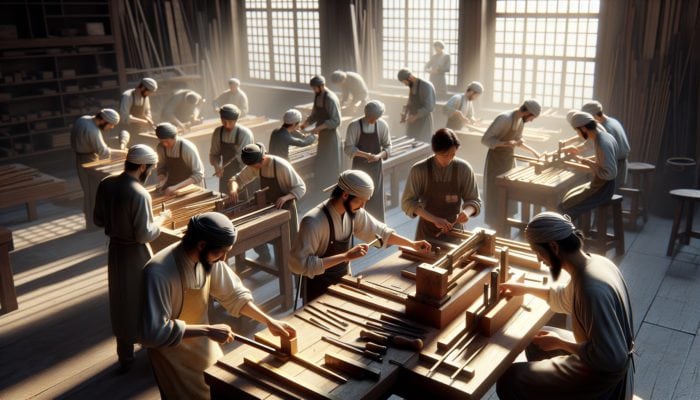
Regular practice is crucial for refining cutting skills and improving precision over time. Engaging consistently in cutting exercises, whether through small projects or larger undertakings, cultivates muscle memory and increases familiarity with tools. This ongoing practice not only builds confidence but also deepens understanding of how to adapt techniques based on the characteristics of various materials. Moreover, experimenting with different materials can provide insights into their behaviour during cutting, further enhancing skill levels. To advance expertise, consider participating in workshops or group activities focused on cutting techniques, fostering a collaborative environment for learning and accountability. With dedication and effort, anyone can achieve a high level of proficiency in balancing asymmetrical cuts.
What Is the Functionality Behind the Concept of Balancing in Cuts?
What Underlying Science Supports Asymmetrical Alignment?
The mechanics of achieving balanced cuts rest upon an understanding of force distribution and structural integrity. When performing an asymmetrical cut, the weight distribution throughout the material is vital for maintaining stability. Any imbalance may jeopardise structural integrity, particularly in applications where durability is critical, such as in furniture or architectural components. The angle and depth of the cut significantly influence how forces interact within the material; sharp angles often create stress points that require careful consideration. By grasping these scientific principles, creators can devise strategies to attain optimal balance in their designs.
What Factors Contribute to Cut Stability?
Several factors impact cut stability, including material tension and edge alignment. The inherent properties of the chosen material—such as wood grain patterns or fabric weave density—affect its response during cutting. Proper edge alignment is equally crucial, as misalignments can introduce undue stress, leading to warping or breakage. Environmental influences, such as temperature and humidity, can also alter the material's characteristics and affect the cutting process. A comprehensive understanding of these variables empowers individuals to make informed decisions throughout the cutting process, ultimately leading to more reliable outcomes.
What Tools Can Aid in Achieving Dynamic Balancing?
Dynamic balancing during the cutting process requires tools that facilitate real-time adjustments. Instruments such as digital angle finders, laser levels, and height gauges provide immediate feedback during cutting, allowing for necessary corrections. These tools ensure that cuts remain accurate and adjustments can be executed without disrupting workflow. Additionally, utilising clamps or vices stabilises materials, preventing movement and enhancing accuracy. To effectively integrate these tools, it is essential to develop a systematic approach to measuring and adjusting throughout each cutting phase. This practice will yield consistently high-quality cuts across various applications.
Insights from Experts on Precision Balancing for Asymmetrical Cuts
What Strategies Do Industry Leaders Recommend for Precision Cutting?
Industry professionals have developed numerous effective methods to achieve precise cutting, offering invaluable resources for those seeking to refine their skills. Notable strategies include using high-quality measuring tools, fostering an in-depth understanding of materials, and applying adaptive techniques that allow for real-time adjustments. For example, a leading architect may utilise specialised software to simulate cuts prior to execution, ensuring the desired balance is achieved before actual implementation. By incorporating these strategies, individuals can enhance their practices, guiding them towards flawless balance in their everyday applications while unlocking the true potential of their designs.
How Can Advanced Techniques Minimise Errors in Asymmetrical Designs?
Reducing mistakes in asymmetrical designs requires the application of expert analysis and refined methodologies. An effective approach involves implementing incremental adjustments rather than making significant changes, facilitating manageable corrections. Furthermore, employing high-quality materials can help mitigate error risks, as inferior materials often yield unpredictable results. Training in techniques such as dry-fitting or creating mock-ups allows creators to visualise and refine their designs before final execution. By embracing a continuous-improvement mindset, individuals can fine-tune their processes and achieve superior results across all applications, leading to greater satisfaction and success.
How Do Experts Ensure Long-term Accuracy in Cutting Projects?
Maintaining precision over repeated cuts necessitates a strategic approach to routine maintenance. Regular calibration of tools is essential to preserve accuracy, while consistent inspections of materials for quality assurance help prevent unexpected variations. Many experts recommend documenting measurements and adjustments throughout projects to monitor performance and identify areas needing improvement. Additionally, creating a clean, organised workspace is critical for minimising distractions and errors. By adhering to these practices, professionals can secure enduring balance and precision, which is vital for long-term success in their cutting endeavours.
What Key Advantages Are Associated with Achieving Precise Balancing?
How Does Precise Balancing Enhance Creative Outcomes?
Achieving accurate balancing significantly improves both the aesthetic appeal and functionality of designs. When cuts are meticulously balanced, projects exhibit a higher level of craftsmanship, resulting in visually captivating outcomes. This precision not only contributes to the durability of the final product but also enhances its practical usability across various applications. Whether crafting furniture, fashion items, or architectural features, the benefits of maintaining precise balance are profound. When creators prioritise symmetry and proportion, the resulting projects resonate more deeply with users, often leading to greater satisfaction and engagement.
What Impact Do Precise Cuts Have on Efficiency and Quality?
Implementing precise cuts can lead to substantial time and resource savings, thereby improving overall project outcomes. Accurate measurements reduce the likelihood of errors during execution, minimising the need for rework and decreasing material waste. Furthermore, efficiency can be enhanced by aligning processes so that each step contributes effectively to the final outcome. Techniques such as batch processing or optimised workflows can be adopted to improve resource and time management. By focusing on precision, creators can elevate the quality of their work, ensuring each project meets or exceeds expectations.
How Do Balanced Cuts Contribute to Enhanced User Satisfaction?
Achieving symmetry offers numerous psychological and practical advantages, fostering greater user confidence and enhancing performance across various fields. Balanced designs often evoke feelings of harmony and stability, leading to increased appreciation for both the creation process and the end product. This satisfaction can manifest in various forms, such as heightened referrals or repeat business. The key benefits of maintaining balance in everyday applications include:
- Enhanced aesthetic appeal that captivates the observer.
- Improved usability and functionality of the final product.
- Increased confidence in design outcomes.
- Stronger emotional connection to the finished piece.
By prioritising balance, creators can elevate their work and contribute to a more fulfilling overall user experience.
How Does Precise Balancing Promote Safety and Reliability?
The practice of achieving precise balancing reduces vibrations and instability, significantly lowering the risks of accidents and equipment failures. This principle is particularly relevant in applications involving machinery and vehicles, where improper balance can lead to hazardous situations. By ensuring that cuts are accurate and well-aligned, the likelihood of unexpected failures diminishes substantially. Furthermore, maintaining proper balance supports adherence to safety standards, providing peace of mind for both operators and users. In both industrial and domestic settings, prioritising safety through precision fosters a more dependable working environment.
How Does Precise Balancing Encourage Environmental Sustainability?
Employing precise balancing in cutting processes promotes more efficient resource utilisation, effectively minimising waste and energy consumption during manufacturing and design. This efficiency not only mitigates environmental impact but also supports sustainable practices critical for a greener future. By reducing scrap materials and optimising production methods, industries can embrace eco-friendly innovations that benefit both the planet and their financial performance. A commitment to precision and sustainability fosters a responsible approach to design and manufacturing, encouraging practices that contribute to global well-being.
Research-Backed Advantages of Accurately Balancing Asymmetrical Cuts
What Evidence-Based Methods Enhance Precision in Cutting?
Real-world examples illustrate how balanced cuts consistently improve outcomes across various industries. Research indicates that projects adhering to precision-cutting principles often demonstrate greater durability and higher user satisfaction. Expert-recommended practices—such as utilising advanced measuring tools and regular calibration—serve as benchmarks for achieving optimal results. By universally applying these evidence-based approaches, creators can enhance their capabilities and achieve greater success in their endeavours.
What Are the Long-Term Implications for Design Integrity?
Expert analysis reveals that precise balancing is crucial for maintaining the structural stability of designs over extended periods. Projects crafted with meticulous attention to balance tend to endure wear and tear better, preserving their integrity longer than those lacking precision. This longevity reduces replacement costs and supports a more sustainable approach to consumption. As designers increasingly recognise the importance of precision, they lay the groundwork for enduring results that resonate with users and withstand the test of time.
What Research Guides Tool Selection for Achieving Balance?
Numerous studies inform the selection of cutting tools for optimal balance, emphasising the significance of evidence in tool choice. Research indicates that high-quality, well-designed tools significantly enhance cut accuracy and precision, leading to more favourable outcomes. By applying insights from these studies, creators can make informed decisions regarding tool investments, ultimately improving their cutting capabilities and ensuring reliable results across all scenarios.
Why Is Precision Essential in Cutting Processes?
What Risks Arise from Neglecting Accurate Balancing?
Failing to achieve proper balance can lead to a myriad of issues, including instability and waste during production. Imprecise cuts can undermine the structural integrity of designs, resulting in costly repairs or replacements down the line. To mitigate these risks, creators should prioritise measurement and verification processes throughout their projects, ensuring that each cut aligns with the intended specifications. A proactive approach to balance reinforces safety and reliability, safeguarding against unforeseen failures.
How Does Precision Contribute to Durability in Designs?
Precision plays a pivotal role in crafting long-lasting designs. Accurately balanced cuts enhance material resilience, ensuring structures can endure stress and regular usage. This durability is particularly crucial in applications ranging from furniture to architectural components, where wear and tear can significantly impact performance. By investing in precision, designers not only extend the lifespan of their creations but also promote a culture of quality that resonates with users.
How Does Precision Foster Creativity in Design?
Accurate cuts enable innovative designs by allowing for greater creative expression without limitations. When creators can rely on their techniques to produce consistent results, they feel empowered to explore new concepts and push the boundaries of their work. This freedom encourages experimentation and enables the emergence of unique designs that may not be achievable without a foundation of precision. Enhancing creativity through accuracy enriches the design process and results in a vibrant, diverse array of outcomes. Notable creative enhancements associated with precision include:
- Greater design freedom to explore new ideas.
- Improved capacity to experiment with intricate shapes.
- Increased confidence in innovative projects.
- Opportunities for unique expressions across various forms.
By embracing precision, creators unlock the potential for groundbreaking designs that captivate and inspire their audiences.
Step-by-Step Techniques for Accurately Balancing Asymmetrical Cuts
What Are the Procedures for Achieving Balance in Cutting?
Executing cuts with precision requires reliable methods that include symmetry checks throughout the entire process. Start by carefully measuring and marking your material, ensuring that all dimensions are accurately recorded. Utilise squares and levels to confirm alignment before cutting. As you progress, consistently verify your cuts for uniformity and make adjustments as needed. After completing the cuts, inspect the edges and surfaces for any discrepancies to allow for refinements. By adhering to these methodical procedures, individuals can achieve dependable results in any context.
How Can Strategies Be Adapted to Meet Diverse Cutting Needs?
Flexibility in approach is vital to ensuring that cuts remain balanced and effective across various applications. Different materials and project requirements necessitate tailored strategies that address unique challenges. For instance, cutting soft fabrics may require different techniques than those used for hardwoods. Experimenting with alternative tools, such as rotary cutters for textiles or specialised saws for metals, can yield optimal results. Understanding the specific demands of each project enables individuals to customise their strategies accordingly, maximising effectiveness while maintaining precision.
What Attributes Define an Effective Cutting Strategy?
Successful balancing techniques depend on several criteria, with adaptability and precision at the forefront. An effective strategy must allow for real-time adjustments to accommodate unexpected challenges that may arise during the cutting process. Furthermore, the strategy should promote consistency, ensuring that each cut aligns with the desired outcome without jeopardising overall design integrity. Establishing a systematic workflow that encourages regular checks and measurements enhances the effectiveness of any cutting approach, leading to superior results.
What Essential Tools Are Necessary for Achieving Cutting Precision?
The essential tools required for balancing asymmetrical cuts comprise a diverse array of equipment designed to enhance accuracy and reliability. Digital callipers, laser levels, and precision squares are indispensable for measuring and aligning cuts with utmost precision. Proper utilisation of these tools involves familiarising oneself with their features and calibration techniques to ensure optimal performance. Additionally, incorporating tools such as clamps and guides can help maintain stability during cutting, preventing unintended shifts that could compromise balance. By understanding and appropriately using these essential tools, individuals can significantly improve their cutting practices and achieve consistent, high-quality results.
Advanced Techniques for Enhancing Cutting Precision
How Can Technology Be Integrated to Improve Cutting Accuracy?
Modern tools play a critical role in enhancing asymmetrical balancing, making them invaluable throughout the cutting process. Technologies such as CNC machines and laser cutters provide unparalleled precision in executing complex designs. To successfully incorporate these tools, it is essential to understand their operating principles and capabilities. Training in the software used for designing cuts can further facilitate effective technology integration. By embracing these advancements, creators can elevate their work to levels of precision previously unattainable.
What Strategies Can Be Customised for Complex Designs?
Tailoring methods to accommodate intricate designs is essential for achieving precise outcomes. Complex projects often demand specialised techniques that diverge from standard cutting practices. For example, intricate patterns may necessitate smaller, more accurate instruments, such as scroll saws or detail knives. Additionally, establishing a workflow that allows for frequent checks and adjustments ensures better management of complexity. By customising approaches to meet specific project demands, creators can ensure precision while adeptly navigating challenges.
What Are the Future Trends in Cutting Precision?
Anticipating evolving methods that maintain balance in cuts is crucial for staying competitive in the industry. Innovations in materials, tools, and techniques will continually shape how creators approach their work. For instance, advancements in innovative cutting technology may introduce sensors that provide real-time feedback during the cutting process. Furthermore, the increasing emphasis on sustainability is likely to drive the development of more efficient, eco-friendly cutting practices. By remaining informed about these trends, individuals can adapt their techniques and strategies, ensuring their relevance in the ever-evolving landscape of design and manufacturing.
How Can Measurement Techniques Be Enhanced for Improved Accuracy?
To achieve superior precision in cutting processes, it is vital to explore advanced measurement tools and methodologies. Techniques such as laser measuring devices and digital readouts offer enhanced accuracy and decrease the likelihood of errors. Calibration strategies, including routine checks against known standards, guarantee that tools maintain their precision over time. Error-minimisation tactics, such as using multiple measurement methods or cross-referencing measurements, can further optimise outcomes. By focusing on these advanced techniques, professionals can establish a consistent and reliable approach to precision in their work.
Frequently Asked Questions about Asymmetrical Cuts
What Exactly Are Asymmetrical Cuts?
Asymmetrical cuts are designs that intentionally deviate from traditional symmetry, often necessitating meticulous measurements and adjustments to achieve balance while preserving aesthetic appeal.
Why Is Precision Critical in Cutting Processes?
Precision is vital in cutting, as it ensures structural integrity, enhances durability, and minimises waste, ultimately contributing to higher-quality, more reliable outcomes.
What Essential Tools Are Needed to Achieve Precision in Cuts?
Essential tools required for attaining precision include digital callipers, laser levels, precision squares, and various cutting instruments tailored to specific materials and applications.
How Can I Practice Cutting Techniques Effectively?
To refine your cutting techniques, engage in small projects that incorporate diverse materials, participate in workshops, or utilise mock-ups to enhance your skills and build confidence.
What Are the Benefits of Maintaining Precise Balancing in Cuts?
Precise balancing elevates aesthetic appeal, boosts functionality, increases efficiency, and promotes safety across various applications, ultimately improving user satisfaction.
How Does Technology Impact Cutting Precision?
Technology significantly enhances cutting precision through advanced tools such as CNC machines and laser cutters, allowing for greater accuracy in executing complex designs.
What Factors Can Influence Cut Stability?
Factors affecting cut stability include material properties, edge alignment, environmental conditions, and the quality of cutting tools used.
What Common Mistakes Should I Avoid While Cutting?
Common mistakes to avoid consist of inaccurate measurements, poor alignment, using dull tools, and neglecting to double-check cuts before execution.
How Can I Effectively Minimise Errors in Asymmetrical Cuts?
Minimising errors can be accomplished by practising regular measurements, utilising high-quality tools, and maintaining a clean, organised workspace throughout the cutting process.
What Role Does Practice Play in Achieving Cutting Precision?
Regular practice enhances muscle memory and tool familiarity, leading to improved accuracy, increased confidence, and ultimately better outcomes in cutting projects.
Connect with us on Facebook today!
The Article: Balancing Asymmetrical Cuts Precisely: Tips for Precision appeared first on Amitys Hair Salon.
The Article Asymmetrical Cuts: Tips for Achieving Precision in Balancing Was Found On https://limitsofstrategy.com