Discover Comprehensive Coeliac Disease Testing Services in Liverpool
What is coeliac disease, and how common is it in the UK?
Private Coeliac Test in Liverpool: Coeliac disease is defined as a chronic autoimmune disorder that is triggered by gluten, a protein found in wheat, barley, and rye. For those diagnosed with coeliac disease, the ingestion of gluten leads to an immune response that causes significant damage to the lining of the small intestine, severely impairing nutrient absorption. This condition affects approximately 1 in every 100 individuals in the UK, highlighting its significance as a public health issue that requires urgent attention.
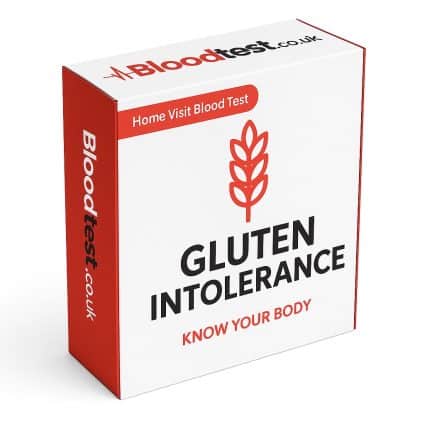

In Liverpool and beyond, it is essential to raise awareness and promote early diagnosis for the effective management and treatment of coeliac disease. This proactive approach can help to mitigate the long-term health complications that can arise from untreated coeliac disease, ultimately improving overall health outcomes for those affected.
The pathway for diagnosing coeliac disease typically involves a series of blood tests, which may be further confirmed through intestinal biopsies. These blood tests are specifically designed to measure certain antibodies that increase in response to gluten intake. A positive result from these tests often leads to the necessity of a biopsy, assessing the extent of any damage to the intestinal lining.
Clinics and hospitals in Liverpool are fully equipped with the necessary facilities to perform these vital diagnostic procedures. This ensures that local residents have access to thorough assessments and personalised management plans that cater to their individual health requirements.
How does the NHS support coeliac testing for local residents?
The NHS plays a vital role in offering coeliac testing services across the UK, providing residents of Liverpool with accessible pathways to diagnosis and ongoing healthcare support. The process typically begins with a visit to a General Practitioner (GP), who evaluates the patient's symptoms, takes a detailed medical history, and orders the necessary blood tests. If the initial findings indicate a possible diagnosis of coeliac disease, the GP may refer the patient to a specialist for further evaluation and a tailored treatment plan.
Key testing procedures available through NHS services include:
- Initial blood tests aimed at detecting specific coeliac antibodies.
- Referral to a gastroenterologist for more in-depth investigation.
- Endoscopy and biopsy to confirm diagnosis if initial blood tests yield positive results.
- Follow-up assessments to monitor adherence to dietary guidelines and effectively manage symptoms.
These procedures are essential for preventing long-term complications associated with untreated coeliac disease, such as osteoporosis and other autoimmune disorders. By utilizing NHS services, patients in Liverpool can benefit from timely interventions that greatly enhance their health management and overall quality of life.
What are the common misconceptions about coeliac testing?
A prevalent misconception surrounding coeliac testing is that it is only necessary for individuals exhibiting severe symptoms, such as chronic diarrhoea or significant weight loss. In actuality, many individuals with coeliac disease may experience mild or atypical symptoms or may even remain asymptomatic. This highlights the critical importance of testing across a broader population, particularly for those with a family history of the condition. It is vital to raise awareness in the Liverpool community about the significance of testing, regardless of symptom severity, and to encourage residents to seek prompt advice from healthcare professionals.
Moreover, some individuals may erroneously believe they can self-diagnose based on dietary reactions or symptoms, which can lead to the risky practice of adopting a gluten-free diet without appropriate testing. This can complicate future diagnostic accuracy, as removing gluten from the diet may lead to false-negative test results. Educational initiatives and outreach in Liverpool are crucial to dispelling these myths and ensuring that residents understand the necessity of formal testing and the potential repercussions of self-diagnosis.
Where can I find private coeliac testing options in Liverpool?
For individuals seeking quicker results than those typically provided by NHS services, Liverpool boasts numerous private clinics that specialise in coeliac disease testing. These facilities are designed to expedite the diagnostic process, catering to patients who may be anxious due to long waiting times or those with a significant family history of coeliac disease wishing to take proactive measures. Private clinics often provide advanced diagnostic tests, including comprehensive antibody panels and endoscopic procedures, ensuring thorough evaluations for all patients.
Patients opting for private testing in Liverpool can also benefit from personalised consultations, allowing them to discuss their concerns and receive tailored advice on effectively managing their condition. This access to prompt, comprehensive care is particularly valuable for individuals who have previously struggled to obtain timely assessments through NHS channels. Consequently, individuals in Liverpool can make informed decisions regarding their health and well-being, significantly improving their overall quality of life.
What steps should I take to access coeliac testing in Liverpool?
What procedures should I follow to schedule a coeliac test?
Scheduling a coeliac test in Liverpool begins with an appointment with your GP, who plays a crucial role in the diagnostic journey. Patients should be prepared to discuss their symptoms, medical history, and any family history of coeliac disease. The GP will assess whether the symptoms align with coeliac disease and may recommend initial blood tests to measure specific antibodies associated with gluten intolerance.
Upon receiving the blood test results, if they indicate a potential diagnosis, the GP will refer the patient to a gastroenterologist or a specialist clinic in Liverpool for further evaluation. This referral process ensures that patients receive accurate diagnoses and appropriate management plans. For those seeking a swift diagnosis, private testing may be beneficial, although the NHS remains a reliable option for the majority of individuals. Overall, the process is designed to be straightforward, enabling residents to take the necessary steps to confirm or rule out coeliac disease effectively.
Why is early detection of coeliac disease critical within the UK?
Early detection of coeliac disease is vital for preventing complications that may arise from prolonged exposure to gluten. Symptoms can vary significantly, and some individuals may not exhibit overt signs, potentially delaying diagnosis. UK health guidelines strongly advocate for regular screening, particularly for at-risk groups such as those with a family history of coeliac disease or related autoimmune conditions.
In Liverpool, residents are encouraged to take proactive measures concerning their health by seeking coeliac testing if they experience unexplained gastrointestinal symptoms, fatigue, or any associated issues. Timely diagnosis alleviates immediate discomfort and helps prevent nutrient deficiencies, osteoporosis, and other serious health complications that can develop from untreated coeliac disease. By promoting awareness and encouraging early intervention, Liverpool’s healthcare community aims to enhance overall health outcomes for affected individuals.
How is the coeliac testing process conducted in Liverpool?
The coeliac testing process in Liverpool typically commences with an initial consultation, during which the healthcare provider assesses the patient’s symptoms and medical history. Following this assessment, blood tests are carried out to detect specific antibodies associated with coeliac disease. These tests are generally straightforward and involve drawing a small blood sample.
If the blood test results suggest a positive or indicative outcome for coeliac disease, a referral will be made for additional testing, often including an endoscopy. During this procedure, a gastroenterologist examines the small intestine and may conduct biopsies to evaluate damage to the intestinal lining. This combination of antibody testing and biopsy provides a comprehensive understanding of the patient’s condition, allowing for accurate diagnosis and effective treatment.
Once testing is complete, the results are thoroughly discussed with the patient. If coeliac disease is confirmed, a detailed management plan will be created. This plan often includes specific dietary changes and ongoing support from healthcare professionals, such as dietitians, who can assist individuals in navigating the complexities of adhering to a strict gluten-free diet.
Where can I locate coeliac testing facilities in Liverpool?
In Liverpool, coeliac testing facilities are predominantly situated in NHS hospitals, such as the Royal Liverpool University Hospital, and in local clinics focused on gastrointestinal health. These establishments are well-equipped to provide comprehensive testing and follow-up care for patients suspected of having coeliac disease.
Residents seeking testing should consult their GP for a referral, as this is essential to access NHS services. For those who prefer private testing options, several clinics in Liverpool offer rapid diagnostics and consultations for individuals concerned about possible coeliac disease. These facilities are staffed by experienced healthcare professionals who specialise in gastrointestinal disorders, ensuring that patients receive expert care and support throughout the testing process.
Accessing these facilities is straightforward, and residents are encouraged to contact their GP or local health service for further information on available options, test locations, and appointment scheduling.
What support services are available post-coeliac diagnosis in Liverpool?
Upon receiving a confirmed coeliac diagnosis in Liverpool, individuals can access a variety of support services designed to help them effectively manage their condition. The NHS offers valuable resources, including access to specialised dietitians who can provide personalised dietary guidance and assist patients in understanding how to successfully adhere to a gluten-free lifestyle.
In addition to dietary assistance, numerous local support groups offer opportunities for individuals to connect with others facing similar challenges. These groups often provide essential information, emotional support, and resources for coping with the implications of a coeliac diagnosis. Educational sessions may also be conducted, providing patients with information about living gluten-free, food labelling, and managing social situations involving food.
Community networks play a critical role in supporting those diagnosed with coeliac disease in Liverpool by helping them maintain long-term health and prevent complications. By fostering connections and sharing experiences, these resources empower individuals to take charge of their health and navigate their new dietary requirements with confidence.
Expert Insights on Coeliac Testing Services in Liverpool
What key factors impact the accuracy of coeliac testing in the UK?
The accuracy of coeliac testing is influenced by several critical factors, including a patient’s medical history, the timing of the tests, and the standards maintained by the laboratories. Accurate testing relies heavily on the patient consuming gluten prior to testing, as this consumption triggers the immune response that the tests aim to measure. In Liverpool, healthcare providers emphasise that eliminating gluten before testing is unnecessary and can lead to misleading results.
For instance, a patient who has recently removed gluten from their diet may exhibit negative antibody testing, potentially resulting in a missed diagnosis. Real-world cases in Liverpool illustrate that adhering to gluten consumption guidelines is vital for achieving reliable diagnostic outcomes. Furthermore, the quality of testing facilities and adherence to established protocols significantly influence results, underscoring the importance of selecting accredited, reputable testing centres.
What advanced diagnostic tools are available for coeliac testing in Liverpool?
In Liverpool, specialists utilise advanced diagnostic tools to effectively confirm coeliac disease. One of the most significant procedures is endoscopy, during which a small camera is inserted into the digestive tract to visually assess the health of the small intestine. This technology allows healthcare providers to perform interventions that evaluate damage to the villi, which are essential for nutrient absorption.
Integrating these advanced diagnostic techniques with lifestyle modifications is crucial for optimal patient outcomes. After a diagnosis, specialists in Liverpool often collaborate closely with dietitians to develop personalised dietary plans, ensuring that patients grasp the importance of adhering strictly to a gluten-free diet. This collaborative approach significantly enhances the likelihood of symptom resolution and long-term health improvement, empowering individuals to manage their condition effectively and lead fulfilling lives.
What benefits do specialist consultations offer for coeliac patients?
Engaging with specialists in Liverpool provides numerous advantages for individuals diagnosed with coeliac disease. These experts offer tailored advice that addresses the unique challenges patients face, including dietary restrictions and navigating social situations involving food. A specialist consultation guarantees that patients receive comprehensive support, encompassing guidance on food choices, meal planning, and effective coping strategies for dining out.
Additionally, specialists connect patients to resources, such as support groups and educational workshops, enhancing their ability to manage their condition effectively. Regular follow-ups with specialists facilitate continuous monitoring of health progress and dietary adherence, ensuring that any emerging issues are addressed promptly. This level of targeted support not only improves the quality of life in Liverpool but also fosters a deeper understanding of coeliac disease and its implications for their health and lifestyle.
What challenges do Liverpool residents face in accessing coeliac testing?
Despite the availability of testing services, residents in Liverpool may encounter obstacles in accessing timely coeliac testing. Long waiting lists for NHS appointments can delay diagnosis and potentially lead to adverse health outcomes. Furthermore, regional variations in service availability may create disparities in access to care for individuals seeking coeliac testing.
Experts recommend that patients advocate for timely appointments and consider alternative options, such as private testing, if they experience prolonged delays. Awareness of these challenges is crucial for ensuring that individuals receive early diagnosis and effective management of coeliac disease, empowering them to take control of their health and well-being.
What future trends are emerging in the diagnosis of coeliac disease in the UK?
The landscape of coeliac disease diagnosis is evolving, with new technologies set to transform how healthcare providers assess and diagnose this condition. In Liverpool, specialists are increasingly utilising genetic screening and biomarker tests to enhance diagnostic accuracy. Genetic testing can identify individuals at risk for coeliac disease even before symptoms appear, allowing for early intervention and monitoring.
Moreover, advancements in laboratory techniques are yielding more sensitive and specific tests that may reduce the need for invasive procedures such as biopsies in certain cases. These innovations promise to streamline the diagnostic process, providing quicker, more accurate results for patients in Liverpool. As these trends continue to develop, they offer hope for improved patient care and outcomes in the realm of coeliac disease diagnosis.
What financial aspects should I consider regarding coeliac testing?
How much does NHS-funded coeliac testing cost in the UK?
NHS-funded coeliac testing in the UK is primarily free at the point of use, making it accessible for residents in Liverpool. Patients do not incur costs for consultations, blood tests, or specialist referrals when referred by their GP. However, patients should be aware that additional expenses may arise, especially if they opt for private testing or require follow-up appointments.
Understanding the financial implications of healthcare is essential for residents, as being informed about potential costs helps individuals budget effectively for their health needs. While NHS services provide a comprehensive approach to testing and management, evaluating the expenses associated with private options or additional treatments is advisable for those seeking a diagnostic experience that meets their specific requirements.
Indeed, private coeliac testing options are available in Liverpool and can offer patients faster results than NHS services. These private clinics often have the capacity to expedite appointments and diagnostic tests, catering to individuals who prefer a more immediate approach to their health concerns. While private testing incurs a cost, many patients find the investment worthwhile, particularly if they have pressing health issues or require prompt intervention.
The fees associated with private coeliac testing can vary based on the services offered, but they typically encompass initial consultations, blood tests, and potentially endoscopic procedures. For residents in Liverpool considering private testing, it is advisable to research various clinics, compare costs, and assess service quality to ensure a reliable, efficient diagnostic experience tailored to their needs.
What hidden costs might arise during coeliac testing?
When contemplating coeliac testing in the UK, individuals may encounter hidden costs that could elevate their overall healthcare expenses. For example, follow-up appointments with specialists or dietitians may not be included in the initial testing, resulting in additional charges. Furthermore, individuals may need to invest in gluten-free foods, which are often more expensive than traditional dietary options, making long-term budgeting crucial for managing a coeliac diagnosis.
Patients in Liverpool should also consider the potential costs associated with ongoing health management, including supplements required to address nutritional deficiencies that may arise from a gluten-free diet. By anticipating these hidden expenses, individuals can make informed decisions about their health, stay proactive in managing their condition, and maintain financial stability.
Research-Backed Benefits of Coeliac Testing in Liverpool
How does coeliac testing improve life quality for patients?
Testing for coeliac disease significantly enhances the quality of life for individuals following a diagnosis. Research indicates that early intervention improves management and health outcomes, allowing patients to return to their normal activities. In Liverpool, patients frequently report reductions in gastrointestinal discomfort, fatigue, and other associated symptoms after receiving a confirmed diagnosis and implementing dietary adjustments.
Moreover, access to healthcare support and educational resources empowers individuals to navigate the complexities of living a gluten-free lifestyle successfully. Patients who comprehend their condition and receive ongoing guidance are more likely to adhere to dietary restrictions, resulting in sustained improvements in health and well-being. Overall, coeliac testing serves as a critical first step toward achieving a better quality of life for those affected by the condition in Liverpool.
What are the long-term health benefits of timely coeliac testing in the UK?
The long-term health benefits of timely coeliac testing and subsequent management are substantial. Individuals diagnosed with coeliac disease who adhere to a strict gluten-free diet significantly lower their risk of developing related conditions such as osteoporosis, infertility, and certain types of cancer. UK studies underscore the importance of early diagnosis in preventing complications and improving patient outcomes.
In Liverpool, individuals are encouraged to follow actionable steps for daily management, including regular health check-ups, nutritional counselling, and participation in support groups. By engaging in proactive health behaviours, residents can maintain their well-being while enjoying a gluten-free lifestyle that supports their overall health. The evidence is clear: timely coeliac testing not only alleviates immediate symptoms but also plays a vital role in safeguarding long-term health.
What insights does recent UK research provide regarding coeliac testing?
Recent research highlights the significance of coeliac testing in preventing complications associated with undiagnosed disease. Data from UK trials indicate that individuals who undergo regular screening experience significantly better digestive health outcomes compared to those who remain unaware of their condition. For residents of Liverpool, this evidence reinforces the need for seeking testing if symptoms suggest coeliac disease.
Studies reveal that when individuals are diagnosed early and receive adequate support to manage their diet, they experience fewer hospitalisations and overall health complications. This aligns with the NHS’s commitment to promoting health and well-being through prevention and early intervention. By advocating for testing and prioritising dietary adherence, residents in Liverpool can enhance their digestive health and avoid the long-term consequences of untreated coeliac disease.
Where Can I Find Reliable Coeliac Testing Centres in Liverpool?
What criteria determine a trustworthy coeliac testing centre in the UK?
Trustworthy coeliac testing centres in the UK adhere to stringent accreditation standards, ensuring they provide accurate and reliable diagnostic services. Facilities that follow established protocols and employ qualified personnel are essential for delivering high-quality care. In Liverpool, patients benefit from access to accredited centres that maintain high standards of practice, thereby contributing to community health.
Furthermore, centres that offer comprehensive follow-up care and support services enhance their trustworthiness. By providing patients with the resources necessary to manage their condition effectively, these testing centres play a vital role in fostering patient confidence and satisfaction. Ensuring that patients receive accurate diagnoses and ongoing support is paramount for the successful management of coeliac disease.
How can I select the right facility for coeliac testing locally?
When choosing a coeliac testing facility in Liverpool, residents should consider several essential criteria to ensure they receive safe and effective care. Key factors include:
- Accreditation and certification of the testing centre.
- Availability of qualified healthcare professionals and specialists on staff.
- Patient reviews and testimonials regarding their experiences.
- Availability of additional support services, such as dietitian consultations.
Evaluating these criteria will empower individuals to make informed decisions about where to seek testing. It is advisable to visit potential facilities, ask questions about their procedures, and gather information about their success rates in diagnosing and managing coeliac disease. This proactive approach enables Liverpool residents to choose a facility that aligns with their healthcare needs and expectations.
What emerging trends are shaping the availability of coeliac testing?
Emerging trends in coeliac testing are reshaping the diagnostic landscape in the UK, including the expansion of community clinics aimed at improving access to testing. In Liverpool, these initiatives seek to reduce waiting times and enhance accessibility for individuals who may have previously faced barriers to testing.
Community clinics often provide convenient testing locations, allowing residents to seek evaluation without lengthy hospital visits. This increased accessibility is particularly beneficial for those with limited mobility or those urgently requiring testing. As diagnostic technology advances, residents in Liverpool can anticipate ongoing improvements in the availability and efficiency of coeliac testing services.
How to Prepare for Your Coeliac Testing Experience in Liverpool
Why is proper preparation essential for obtaining accurate testing results?
Proper preparation for coeliac testing is crucial to ensure accurate results. To achieve reliable outcomes, patients must maintain a gluten-inclusive diet in the weeks leading up to their tests. This practice enables the immune system to produce the necessary antibodies that will be measured in blood tests, providing a clearer understanding of the individual’s response to gluten.
In Liverpool, healthcare providers emphasise the importance of adhering to these guidelines to avoid false-negative test results. Patients should consult their GP or specialist for specific dietary recommendations prior to testing. By taking these preparatory steps seriously, individuals can facilitate a smoother diagnostic process and receive the most accurate evaluation of their condition.
What pre-test advice do UK experts recommend for coeliac testing?
UK experts suggest several key strategies for individuals preparing for coeliac testing to enhance the accuracy of their results. One critical piece of advice is to avoid certain medications, such as those containing steroids, which can interfere with antibody levels. Patients should discuss their current medications with their healthcare provider and follow any recommendations for adjustments. Additionally, individuals are encouraged to maintain a diet rich in gluten-containing foods leading up to testing. This includes consuming products that contain wheat, barley, and other ingredients necessary to stimulate the immune response required for accurate results. By adhering to these expert recommendations, residents in Liverpool can ensure they are optimally prepared for their coeliac tests, thus increasing the likelihood of obtaining accurate diagnoses.
What strategies should I implement for post-test follow-up?
After coeliac testing, UK guidelines advise patients to remain vigilant about monitoring their symptoms and maintaining open communication with their healthcare providers. Residents in Liverpool should schedule follow-up appointments to discuss test results and any necessary dietary changes. This ongoing relationship with healthcare professionals is crucial for ensuring effective management of coeliac disease.
Patients are also encouraged to keep a symptom diary documenting any changes or reactions following dietary modifications. This information can be invaluable during follow-up consultations, assisting healthcare providers in tailoring treatment plans to meet each individual’s needs. By actively participating in their post-test care, residents can take control of their health and work toward long-term well-being.
Frequently Asked Questions Regarding Coeliac Testing
What symptoms should prompt me to seek testing for coeliac disease?
Symptoms such as chronic abdominal pain, bloating, diarrhoea, unexplained weight loss, fatigue, and skin rashes should prompt individuals to consider testing for coeliac disease.
Is the coeliac testing process painful?
The coeliac testing process involves blood tests and possibly an endoscopy, which may cause some discomfort but is generally not considered painful.
What is the timeframe for receiving results from coeliac tests?
Blood test results for coeliac disease typically take a few days to a week, while biopsy results may take longer, often up to two weeks.
Do I need to prepare differently for blood tests if I suspect coeliac disease?
Yes, it is important to maintain a gluten-inclusive diet before testing to ensure accurate results, as eliminating gluten can affect antibody levels.
Can I test for coeliac disease at home?
While some home testing kits are available, they may not be as reliable as professional tests; consulting a healthcare provider is recommended for an accurate diagnosis.
Are there any medications I should avoid before testing?
Steroids and certain immunosuppressive medications can interfere with test results, so it is advisable to discuss your medications with your healthcare provider before testing.
What should I do if I test negative for coeliac disease but still have symptoms?
If testing is negative, further investigation may be needed, as symptoms could indicate other gastrointestinal conditions; consult your healthcare provider for additional assessment.
How frequently should I undergo testing for coeliac disease if I have a family history?
Individuals with a family history of coeliac disease are generally advised to undergo screening every few years or if symptoms arise; consult your GP for personalised recommendations.
Is gluten-free food expensive?
Gluten-free food can be more expensive than traditional options, but budget-friendly alternatives and recipes are available to help manage costs effectively.
What support groups are available for coeliac disease in Liverpool?
Liverpool hosts various support groups and community networks that offer resources, education, and social support for individuals diagnosed with coeliac disease.
Connect with us on Facebook today!

This Article Was First Found On https://bloodtest.co.uk
The Article Coeliac Test: Essential Information for Liverpool Residents Was Found On https://limitsofstrategy.com