Harness Layering Techniques to Revolutionise Your Creative Projects
What Key Principles Underpin Layering for Creative Achievement?
Forming Long Layers For Movement: Layering is a multifaceted structural approach that orchestrates various components to yield visually engaging and dynamic compositions. At its essence, layering hinges on the robust interconnections among disparate elements; when these components are artfully combined, they foster a sense of movement and fluidity, effectively directing the viewer’s gaze across the artwork. This foundational principle is vital across a multitude of creative fields, encompassing physical installations, digital interface designs, and the crafting of compelling narratives that resonate with audiences.
Ultimately, mastering layering revolves around the concept of depth, extending beyond mere physicality to encapsulate visual storytelling. By deftly employing contrasting tones, shapes, and textures, creators can shepherd the audience’s focus, leading them on a captivating exploratory journey. Achieving proficiency in the principles of layering endows artists with invaluable tools to create works that connect with viewers on both emotional and intellectual levels, ensuring profound engagement with the content.
How Can You Initiate Layering to Cultivate Movement in Your Creations?
Embarking on your layering journey to cultivate movement necessitates meticulous planning and the establishment of a clear vision. The initial steps involve evaluating the available space and the materials at your disposal. A successful layering endeavour begins with a foundation that is both stable and versatile, accommodating modifications as the project evolves. Outlining the desired flow of movement and contemplating the emotions and reactions you wish to elicit from your audience are crucial considerations.
Subsequently, sketching out ideas, perhaps through storyboarding techniques, is highly beneficial. This visual representation aids in breaking down layers into manageable segments. Initial layers can be straightforward, such as a background that sets the tone, followed by more intricate elements that introduce intrigue and stimulate exploration. Remaining open to adjustments is vital, as layering frequently unveils new avenues for movement as the project progresses.
Why Is Choosing the Right Materials Crucial for Layering Projects?
The selection of materials is integral to achieving successful layering outcomes. The materials you choose can profoundly affect both the characteristics of movement and the overall visual allure of the final composition. Different materials possess unique attributes that can either enhance or obstruct your intended effects. For example, lightweight materials promote fluid motion, while heavier components instil a sense of stability and grounding.
When selecting materials, numerous factors must be weighed, including texture, flexibility, and durability. Each material uniquely contributes to the layering process, influencing how layers interact and respond to their environment. For instance, integrating transparent or semi-transparent materials can yield mesmerizing visual effects, allowing layers to overlap and blend in captivating manners. Ultimately, the right materials not only bolster the desired movement but also enrich the visual narrative, crafting a more engaging experience for the audience.
Insights from Experts on Crafting Long Layers to Enhance Movement
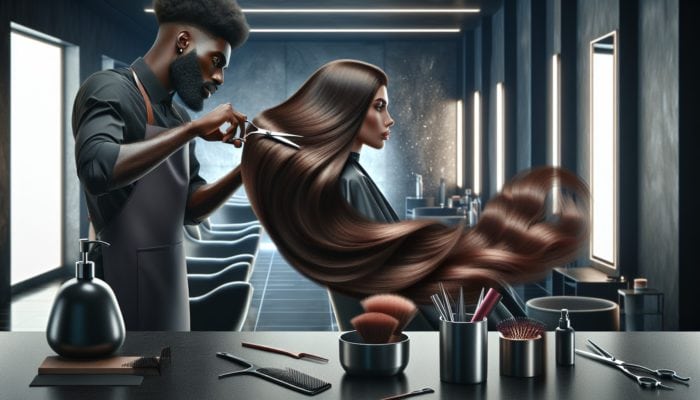
What Layering Techniques Do Professionals Advocate for Maximum Impact?
Professionals within the field of layering frequently endorse an array of techniques aimed at amplifying the effectiveness of movement within a project. A foundational strategy involves commencing with a base layer that acts as the groundwork for subsequent elements. Following this, it is essential to gradually amplify complexity by incorporating additional components. Key techniques include:
- Utilising overlapping layers to establish depth and intrigue.
- Incorporating varying heights to instil visual interest.
- Employing translucent materials for a more fluid aesthetic.
- Creating textural contrasts to enhance sensory engagement.
- Using colour gradients to effectively direct viewer attention.
- Integrating movement triggers to encourage interactivity.
- Applying layering hierarchies to create focal points.
- Experimenting with light and shadow to enhance dimensionality.
These techniques can be tailored to meet the specific needs of various projects. For example, in installations intended for public spaces, incorporating interactive layers can foster participation and cultivate a stronger connection with the audience. This approach illustrates how expert insights can elevate a project to new heights while enhancing viewer engagement and interaction.
How Does Layering Elevate Movement in Visual Compositions?
Layering serves as a transformative method that significantly enhances movement within a composition. By introducing depth and complexity, layering transmutes static elements into a dynamic visual narrative that captures attention and invites exploration. This technique establishes focal points that guide the audience throughout the piece, enriching their journey.
Moreover, the interplay between layers can evoke movement through contrasting colours and diverse textures. For instance, juxtaposing a rough-textured layer against a smooth surface can create visual tension that encourages viewers to delve deeper. The variation among layers also enables creators to orchestrate a rhythm of movement that resonates profoundly with the audience, ultimately elevating their overall experience. By crafting layers that respond to one another, a harmonious balance is achieved that is both aesthetically pleasing and impactful.
How Can You Successfully Implement Expert Recommendations into Your Layering Techniques?
Effectively incorporating expert recommendations into your layering projects can significantly refine your techniques and enhance overall outcomes. Seasoned professionals frequently stress the importance of feedback loops; developing drafts and seeking critique can yield invaluable insights into one’s work. This iterative approach allows creators to pinpoint strengths and weaknesses, presenting opportunities for refinement.
Moreover, experts advocate for the inclusion of diverse layering methodologies. Consider enrolling in workshops or online courses to immerse yourself in various layering strategies. By learning to integrate advanced techniques, such as digital layering or kinetic elements, you can elevate your projects further. The fusion of expert advice with personal experimentation will ultimately lead to more sophisticated and impactful layering techniques, enriching your creative outcomes.
Strategic Approaches for Generating Dynamic Movement Through Layering
What Best Practices Should You Follow for Achieving Dynamic Layering?
To realise dynamic layering, best practices focus on maintaining balance while ensuring each layer contributes effectively to the overall movement. A crucial aspect involves the principle of unity; every layer should not only stand independently but also enhance the collective experience. This requires a discerning eye for detail, as the interaction between layers can dictate flow and audience engagement.
Another essential practice involves implementing hierarchical structuring within layers. By establishing a clear order of importance, creators can guide viewers seamlessly through the visual narrative. A practical strategy for balancing layers is to consider their proportions and spacing; an overcrowded composition can lead to confusion, whereas well-spaced layers encourage a harmonious flow. Ultimately, the goal is to create a layering system that delivers clarity while inviting the viewer to explore the intricacies of the composition.
How Can You Achieve Smooth Transitions Between Layers?
Achieving seamless transitions between layers is vital for creating a cohesive and engaging experience. This process necessitates meticulous planning and execution, employing techniques such as overlapping and blending. Overlapping layers facilitate visual connections, crafting an impression of fluidity as one layer elegantly transitions into another.
Blending techniques are equally essential; these can be achieved through gradients or soft edges that prevent abrupt changes between layers. The use of colour transitions can further enhance the seamlessness of layering, guiding the viewer’s gaze smoothly across the composition. Additionally, integrating animation or kinetic elements within physical installations can generate a sense of movement that encourages layers to interact dynamically, further enriching the overall experience.
How Can You Leverage Colour and Texture to Amplify Movement in Layering?
Colour and texture are fundamental elements in enhancing movement within a layered composition. Thoughtful colour choices can evoke specific emotions and direct viewer attention; for instance, a bold, contrasting palette can spark excitement and tension, while softer hues may promote serenity and flow. Understanding the psychological effects of colour aids in crafting layers that resonate emotionally with the audience.
Textures also play a pivotal role in the dynamics of movement. Combining smooth and rough textures within layers can generate visual intrigue and tactile experiences that invite exploration. The interplay between colour and texture effectively guides movement; for example, layering a textured surface atop a flat background creates a sense of depth and curiosity. By thoughtfully integrating these elements, one can substantially enhance the movement within a layered composition, ensuring it captivates and engages the audience.
Crucial Tools and Materials for Successful Layering Projects
What Essential Tools Are Necessary for Effective Layering?
Successful layering requires a comprehensive array of tools that encourage precision and creativity. Key tools include cutting instruments for shaping materials, adhesives to securely bond layers, and measuring devices to ensure dimensional accuracy. Each of these tools plays a vital role in the layering process, empowering creators to execute their vision with finesse and meticulous attention to detail.
Furthermore, tools for texturing and finishing can significantly enhance the final appearance of layers. For instance, sanders or texture brushes can add intricate details that enrich the overall composition. Access to the appropriate tools streamlines the layering process, fostering an efficient workflow while minimising errors. Ultimately, investing in high-quality tools will yield superior results, transforming ideas into well-executed layered designs that resonate with audiences.
How to Select the Right Materials for Your Layering Project?
Choosing the right materials is crucial for the success of any layering project. Factors such as flexibility, durability, and aesthetic appeal should all be carefully considered when selecting materials. For example, materials like paper, fabric, or plastic can provide varying levels of flexibility, influencing how layers interact and move within the composition.
Moreover, the choice of materials can significantly shape the emotional tone of the project. For instance, warm woods may evoke feelings of comfort, whereas cold metals can suggest modernity and sleekness. It is essential to assess how each material will perform in the context of movement; lightweight materials can facilitate more dynamic effects, while heavier elements may ground the piece. By meticulously selecting materials based on these criteria, one can substantially enhance the layered work's overall impact, ensuring it resonates with its intended audience.
How Can You Effectively Maintain and Care for Your Layering Materials?
Proper maintenance and care of layering materials are vital for ensuring their longevity and effectiveness. Regular cleaning is imperative; dust and debris can accumulate, detracting from the work's aesthetic appeal. For materials like fabric or paper, gentle cleaning methods should be employed to avoid damage. Storing materials in a dry, temperature-controlled environment is critical to preventing deterioration over time.
Additionally, periodically assessing the condition of the materials used in layering projects is advisable. This proactive approach allows for timely repairs or replacements, ensuring the integrity of the composition remains intact. By adhering to these maintenance tips, one can extend the life of materials while preserving their visual and functional qualities in layered designs, resulting in enduring works of art.
Where Can You Find High-Quality Tools and Materials for Layering?
Identifying reliable suppliers for quality tools and materials is essential for any layering project. Specialty craft stores often carry a comprehensive range of materials tailored for specific layering needs. These shops typically provide expert advice and recommendations specifically for your project requirements, assisting you in selecting the most suitable products for your creative vision.
Online marketplaces offer convenience and accessibility, showcasing a vast array of tools and materials. Be sure to peruse reviews and consider reputable brands to ensure quality. Local hardware shops often stock essential tools for layering, frequently at competitive prices. Engaging with local art communities can lead to recommendations for suppliers who offer high-quality products suited for layering projects, enriching your creative resources.
Dynamic Layering Strategies for Various Movement Types
What Are the Optimal Layering Strategies for Achieving Fluid Movement?
Fluid movement necessitates strategic layering that allows elements to seamlessly flow into one another. The most effective strategies for achieving this include employing wave-like patterns and gentle transitions between layers. These techniques foster a sense of continuity and encourage viewers to experience a natural progression within the composition, rendering the overall artwork more engaging.
Additionally, incorporating gradual colour transitions can further enhance the fluidity of movement. For instance, blending different shades of a similar hue can create a soft, flowing effect that visually mimics the essence of water or air. Careful layering is essential to ensure that elements do not abruptly interrupt one another. This thoughtful approach to layering will yield compositions that evoke grace and motion, captivating the audience's attention.
How Can You Layer for Sharp and Precise Movements?
Sharp and precise movements demand layers that are distinctly defined and clear. The layering approach for such movements requires the use of rigid materials that establish clear boundaries between elements. This technique can create impactful visual statements that resonate with viewers, conveying clarity and focus in the design.
To achieve this effect, consider employing geometric shapes and defined lines within layers. Using contrasting colours can effectively delineate each layer, allowing for immediate recognition of the components involved. This strategy not only sharpens the movement but also reinforces the overall structure of the composition. By emphasising precision in layering, creators can effectively communicate strong, dynamic movements that capture the audience's attention and imagination.
How to Tailor Layering Techniques for Diverse Movement Styles?
Different movement styles necessitate customised layering approaches. Adjusting techniques to align with specific styles enhances the overall effect and engages the audience more deeply. For example, in a dance performance, layering techniques that emphasise rhythm and timing can elevate the experience. Conversely, in a visual art project, layering might focus on contrasting textures to reflect emotional intensity and complexity.
Studying various movement styles and their inherent characteristics can also be beneficial. Understanding how different movements interact visually enables creators to select suitable layering methods that effectively support and enhance these qualities. The ability to adapt layering techniques for different styles not only broadens a creator’s skill set but also enriches the viewer's experience by providing a diverse array of movement interpretations that resonate with their sensibilities.
Research-Backed Advantages of Developing Long Layers for Movement
What Insights Does Research Unveil About Layering's Impact on Engagement?
Research indicates that layering significantly boosts movement perception and audience engagement. Studies suggest that layered compositions create a more dynamic viewer experience, fostering deeper interactions with the content. This heightened engagement can lead to prolonged viewing times and an increased likelihood of sharing the work with others, amplifying its reach and impact.
Moreover, layering techniques can positively influence how audiences process visual information. By crafting depth and complexity, layering invites viewers to immerse themselves in the content, encouraging exploration and interaction. The structured yet fluid nature of layers promotes a comprehensive understanding of the work, ultimately elevating its overall impact. Emphasising these benefits can empower creators to harness the true potential of layering techniques in their projects, leading to enriched viewer experiences.
How Does Layering Affect Viewer Perception and Experience?
Layering profoundly influences viewer perception by establishing a sense of depth and movement, transforming the overall experience. By deconstructing elements into layers, creators can guide the audience's gaze, encouraging them to explore each component in relation to the whole. This layered approach fosters a more immersive and engaging experience, drawing viewers into the narrative while promoting personal interpretation and emotional connections.
Furthermore, the interaction among layers adds another dimension to viewer perception. As layers overlap and engage with one another, they generate visual dynamics that evoke emotional responses and stimulate curiosity. This engagement can strengthen the connection with the work, making it resonate more profoundly with the audience. Therefore, layering serves as an invaluable tool in shaping how content is perceived and experienced, enhancing the artistic impact of the composition.
What Case Studies Highlight the Benefits of Layering Techniques?
Case studies that showcase the advantages of layering can provide actionable insights for creators aiming to elevate their work. For example, in a recent exhibition, artists employed layering techniques to craft immersive environments that allowed viewers to navigate through distinct layers of experience. This approach heightened visitor engagement, with many attendees noting that the layered installations elicited emotional reactions and prompted thoughtful discussions.
Another pertinent case study involved layering in digital interfaces, where designers added depth to enhance user experiences. By layering elements in a non-linear fashion, they significantly increased user interaction rates, demonstrating how layering can elevate both aesthetic appeal and functionality. These examples underscore the transformative power of layering, illustrating how meticulous application can yield remarkable results across diverse contexts.
Common Challenges and Effective Solutions in Layering Practices
What Are the Most Frequent Challenges Encountered in Layering Projects?
Common challenges in layering encompass maintaining balance, ensuring each layer contributes effectively, and achieving the desired aesthetic without overwhelming the viewer. Creators often struggle with the visual complexity introduced by multiple layers, which can result in cluttered compositions that undermine the intended clarity and impact of the piece.
These challenges can be addressed through thoughtful planning and experimentation. Establishing clear objectives for each layer can help ensure that every element serves a purpose within the composition. Additionally, employing tools such as sketches or digital mock-ups can provide clarity before actual layering begins, allowing for adjustments that promote balance and coherence within the final work.
How Can You Overcome Material Limitations in Layering Projects?
Material limitations can pose significant challenges in layering projects, but these can often be surmounted through creativity and adaptability. When faced with constraints in material properties, consider combining different materials to achieve the desired effect. For instance, layering lightweight materials over heavier ones can create intriguing contrasts and enhance movement within the composition.
Moreover, exploring alternative materials that offer similar characteristics can broaden your options. Seeking innovative solutions, such as digitally layering content onto physical structures, can also yield exciting results. Embracing a flexible mindset and remaining open to experimentation can lead to unique outcomes that breathe new life into your layering projects, allowing for greater artistic expression.
How Can You Troubleshoot Common Issues in Layering Practices?
Creating layered compositions can lead to various issues, but effective troubleshooting can help address these challenges efficiently. Consider the following tips:
- Check alignment: Ensure layers are properly aligned to maintain visual cohesion and prevent distortion.
- Assess balance: Review the distribution of weight across layers to enhance stability and appeal.
- Cure adhesion: Allow adhesives ample time to set before moving the composition to ensure durability.
- Test colours: Experiment with small swatches to observe how colours interact before full application to avoid mismatches.
- Review transitions: Examine abrupt changes and adjust them accordingly to enhance flow.
- Seek feedback: Engage with peers to identify areas for improvement and gain fresh perspectives.
- Document processes: Keep a record of techniques used for future reference and learning.
- Adjust lighting: Experiment with lighting angles to reveal depth in layers and enhance visibility.
By proactively troubleshooting common issues, creators can optimise their layering projects, ensuring a successful, impactful final product that resonates with the audience.
Advanced Layering Techniques for Exceptional Creative Outcomes
What Advanced Layering Techniques Should You Explore?
Advanced layering techniques encompass a variety of methods that empower creators to push the boundaries of traditional layering. For instance, multidimensional layering involves creating layers that occupy different spatial planes, adding complexity and depth to the composition. This method can lead to striking visual narratives that captivate audiences and encourage deeper engagement.
Incorporating interactive elements into multidimensional content represents another advanced technique. This may involve using sensors or digital interfaces that respond to viewer actions, transforming static layers into engaging experiences that invite participation. These innovative approaches can elevate the overall impact of the work, drawing viewers deeper into the exploration of layers and strengthening their connection to the art.
How Can You Integrate Advanced Techniques into Your Creative Projects?
Integrating advanced layering techniques necessitates a solid understanding of foundational layering principles. Begin by mastering simpler projects to build confidence and skill, then gradually incorporate more complex elements into your work. Experimentation is key; consider integrating one advanced technique at a time to assess its impact on the overall composition and viewer response.
Collaboration with other artists or professionals can also facilitate the integration of advanced techniques. By sharing insights and experiences, creators can learn new methods and approaches that significantly elevate their work. Embracing a mindset of continuous improvement will ensure that each project becomes an opportunity to refine and expand your layering repertoire, ultimately leading to more sophisticated and compelling outcomes.
How Can You Push the Boundaries of Layering for Innovative Movement?
Exploring the boundaries of layering can yield innovative and unique results that challenge conventional thinking. By experimenting with unexpected combinations of materials and techniques, creators can uncover new dimensions of movement within their work. This exploration often involves stepping outside of one’s comfort zone and embracing the potential for failure as a valuable learning opportunity.
Engaging in cross-disciplinary projects can also facilitate boundary exploration. For instance, collaborating with professionals from different fields, such as digital arts or performance, can introduce fresh perspectives that inspire new layering techniques. By fostering an environment of creativity and experimentation, one can push the limits of layering to produce truly groundbreaking compositions that resonate with a diverse audience.
How Can You Achieve Mastery in Multidimensional Layering for Dramatic Effects?
Mastering multidimensional layering enhances the visual impact of any project, generating dynamic effects that captivate audiences. To achieve this, focus on developing a clear understanding of spatial relationships between layers. By employing a multi-dimensional distance, creators can establish a sense of multidimensionality that is both striking and immersive, inviting viewers to explore the work's various dimensions.
Additionally, consider integrating varied textures and colours across dimensions to create a rich tapestry of visual experiences. This multidimensional approach invites viewers to engage with the layers from different perspectives, fostering deeper connection and understanding. By honing this skill, creators can significantly elevate the complexity and allure of their layered designs, resulting in compelling artworks with multiple levels.
How Can Interactive Elements Transform Your Layering Projects?
Incorporating interactive elements into layering can transform static designs into engaging experiences that invite viewer participation. This may involve using sensors that detect human presence or touch, allowing layers to shift or change in response to the audience's actions. Such interactivity fosters emotional connections and a sense of agency among viewers, making the artwork more memorable and impactful.
Moreover, consider leveraging technologies such as augmented reality to create interactive layers that respond dynamically to user input. By merging digital and physical elements, creators can develop innovative approaches that broaden the scope of layered compositions. The integration of interactivity not only adds depth but also elevates the audience's overall experience, transforming the layering process into a more engaging and memorable journey.
Evaluating and Refining Your Layering Projects for Success
What Key Factors Should You Assess in Layering Projects?
Evaluating layering projects requires attention to several critical factors, including the fluidity of movement, visual appeal, and overall effectiveness. Movement fluidity assesses how well the layers interact and transition, ensuring a harmonious flow that captivates the viewer. Visual appeal focuses on the aesthetic quality of the layers, considering aspects such as colour harmony, textural contrast, and spatial arrangement.
Overall effectiveness encompasses the project’s ability to communicate its intended message and evoke the desired emotional response from the audience. Regular evaluation through peer reviews or audience feedback can provide invaluable insights that inform future projects, allowing for continuous improvement and refinement of layering techniques. By systematically assessing these elements, creators can ensure their layering projects maintain high standards of quality and impact.
How Can You Effectively Refine and Improve Your Layering Techniques?
Refining layering techniques involves a commitment to continuous learning and experimentation. One effective strategy is to seek feedback from peers, mentors, or audience members, as their perspectives can illuminate areas for improvement that may not be immediately apparent. This critical input can guide adjustments that enhance layering quality in future projects, improving their effectiveness and resonance.
Additionally, participating in workshops or online courses can introduce new methods and perspectives on layering. Experimenting with different materials, tools, and approaches can yield unexpected discoveries that enhance one’s skill set. By maintaining an open mindset and fostering a culture of experimentation, creators can continuously refine their layering techniques and achieve greater success in their artistic endeavours.
How Can You Assess the Success of Your Layering Projects?
Measuring the success of layering projects involves assessing factors such as viewer engagement and the effectiveness of movement within the composition. Gathering metrics may include tracking viewer attention duration, collecting feedback through surveys, or observing audience interactions with the layered installation. These data points can provide valuable insights into how well the layering techniques resonate with the audience.
Moreover, evaluating the emotional responses elicited during viewings can offer qualitative insights into the effectiveness of the layers. Reflecting on these metrics can guide future projects, steering creators towards more impactful layering strategies. By systematically measuring success, one can continuously hone one's craft and elevate the overall quality of layering projects, ensuring they resonate with viewers on multiple levels.
What Common Challenges and Solutions Exist in Layering Projects?
Addressing common challenges in layering projects can significantly enhance outcomes. Key issues may include alignment, depth perception, and resource management. To resolve alignment issues, utilise tools like levels and rulers to ensure each layer is positioned correctly, thus preventing visual distortion and maintaining compositional coherence.
To tackle depth-perception challenges, consider incorporating varied textures and colours to create a sense of depth that guides the viewer's eye through the work. Finally, effective resource management involves planning and budgeting for materials and tools; ensuring you have adequate supplies and time to complete the project is crucial. By proactively addressing these challenges, creators can improve their layering techniques and achieve more successful outcomes in their artistic ventures.
Frequently Asked Questions About Layering Techniques and Practices
What is layering in design?
Layering in design refers to the technique of arranging elements to create depth, movement, and visual interest, thereby enhancing the overall composition and viewer engagement.
How can I enhance movement in my artwork?
Movement can be enhanced through strategic layering, contrasting colours, varied textures, and smooth transitions between elements, creating a dynamic visual narrative.
What materials are best for layering?
Materials that offer flexibility, durability, and aesthetic appeal are ideal; options include paper, fabric, wood, and various plastics, all of which contribute to the overall effectiveness of the design.
How can I troubleshoot common layering issues?
Common issues can be addressed by ensuring proper alignment, assessing balance, and seeking feedback. Documenting processes can also help resolve recurring problems effectively.
What role does colour play in layering?
Colour plays a crucial role in layering by evoking emotions, establishing focal points, and guiding the viewer’s attention throughout the composition, creating a cohesive visual experience.
How do I measure the effectiveness of my layering projects?
Effectiveness can be measured through viewer engagement metrics, qualitative feedback, and observing audience interactions with the layered composition to assess its impact and resonance.
What tools do I need for effective layering?
Essential tools include cutting instruments, adhesives, measuring devices, and finishing and texturing tools to ensure precision and quality in the layering process.
Can layering techniques be applied to digital designs?
Yes, layering techniques are highly applicable in digital design, where elements can be stacked, manipulated, and animated to create depth and interactivity that enhance user experiences.
How can I incorporate interactive elements into my projects?
Interactive elements can be incorporated through sensors, responsive designs, or augmented reality, transforming static layers into engaging experiences that invite viewer participation.
What are advanced techniques for layering?
Advanced techniques include multidimensional layering, interactive elements, and innovative material combinations to enhance visual impact and audience engagement.
Connect with us on Facebook!
The Article: Forming Long Layers For Movement: A Comprehensive Guide appeared first on Amitys Hair Salon.
The Article Long Layers for Movement: Your Complete Guide Was Found On https://limitsofstrategy.com