Unleash Your Inner Artist: Explore the World of Pet Photography Workshops
What Key Characteristics Indicate a High-Quality Pet Photography Workshop?
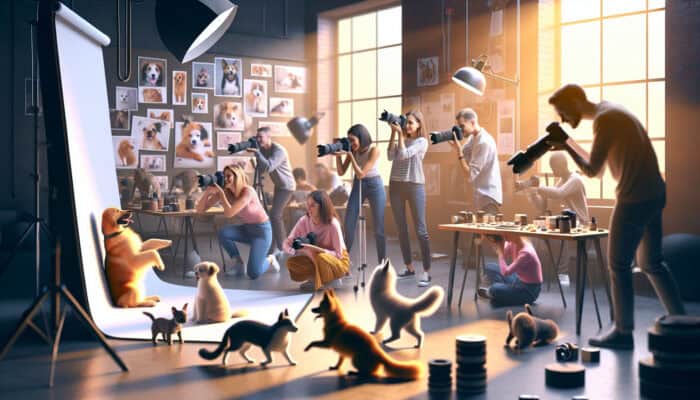
Pet Photography Workshops are expertly designed experiences that aim to equip participants with the skills necessary to capture stunning images of pets. These workshops dive deep into essential components such as lighting, composition, and the behaviour of various animals, creating a comprehensive learning environment. A superior workshop stands out due to its engaging, practical exercises that ensure the learning experience is both enjoyable and effective for all participants. Attendees have the opportunity to interact with a diverse range of pets, explore a multitude of photographic techniques, and receive valuable feedback from seasoned instructors. This blend of theoretical knowledge and hands-on practice cultivates creativity and fosters growth for aspiring pet photographers.
What Preparatory Steps Should You Take Before Attending a Workshop?
Preparing for a pet photography workshop necessitates arming yourself with crucial knowledge about how to handle pets. A solid grasp of basic animal behaviour not only smooths the learning curve but also significantly enhances your chances of capturing that perfect shot. Establishing personal goals is equally important; strive to improve both your technical abilities and artistic vision. To optimise your workshop experience, consider these preparatory actions:
- Conduct thorough research on various pet types and their unique behavioural traits.
- Familiarise yourself with your camera's settings and features to ensure effective use during the workshop.
- Set clear objectives regarding what you wish to achieve throughout the workshop.
- Gather any props or tools you wish to incorporate into your practice sessions.
- Review fundamental photography principles, such as exposure and focus.
By implementing these steps, you will be well-prepared to extract the maximum value from your workshop experience, positioning yourself for success in your pet photography journey.
Why Is Active Participation in Practical Activities Vital for Skill Advancement?
The incorporation of interactive elements in workshops is crucial for bolstering participants' confidence in pet photography. These hands-on activities often involve direct engagement with animals, allowing attendees to apply various techniques in real-world situations. Such experiential learning reinforces skills through practice, enabling participants to create memorable images while fully enjoying the creative process. By collaborating closely with both pets and instructors, attendees can experiment with different poses, lighting scenarios, and settings, ultimately enhancing their understanding of the art of pet photography. This dynamic format also nurtures a supportive community, encouraging participants to share insights and learn from each other’s unique experiences.
How Can You Determine the Most Appropriate Workshop to Suit Your Needs?

Selecting the right pet photography workshop requires careful consideration of several key factors. Begin by evaluating the instructor's expertise; knowledgeable professionals can provide insights that significantly enhance your learning journey. The breadth of the curriculum is equally crucial—workshops should encompass a wide range of topics, from foundational techniques to advanced strategies tailored for specific pet types. Additionally, participant feedback can offer valuable insights into the effectiveness of the workshop. By undertaking a detailed evaluation process, you can ensure that the workshop aligns with your skill level and interests, resulting in a more engaging and productive experience that effectively elevates your ability to capture stunning pet images.
What Techniques Should You Implement After Completing the Workshop?
Applying the techniques learned during a pet photography workshop in practical scenarios is essential for mastering the craft. Once you have completed the workshop, it is crucial to practice consistently, revisit the concepts discussed, and adapt your skills to various types of pets. Strategies for ongoing practice may encompass organising mock sessions with friends’ pets, participating in online photography communities, or attending local pet events. Critically assessing your work and seeking constructive feedback can further accelerate your growth. This commitment to continual practice deepens your understanding of pet photography while nurturing a long-term mindset of improvement, ensuring your evolution as a photographer.
How to Begin Your Exciting Journey with Pet Photography Workshops?
What Key Considerations Should You Keep in Mind When Choosing Options?

As you embark on your journey into the realm of pet photography workshops, it is essential to evaluate options that align with your individual needs. Consider various workshop formats, including in-person versus online sessions, along with their duration and content focus. Some workshops may specialise in specific types of pets, while others offer a more generalised approach. Seek out programmes that blend theoretical knowledge with hands-on practice, ensuring they correspond with your existing skill level. This meticulous selection process will create an effective foundation, laying the groundwork for your future endeavours in pet photography.
What Fundamental Skills Are Essential for Beginners in Pet Photography?
Beginning your journey in pet photography workshops necessitates a fundamental understanding of camera operations and effective interactions with pets. Familiarising yourself with your camera’s settings—such as aperture, shutter speed, and ISO—will facilitate your transition into the technical aspects of photography. Additionally, comprehending pet behaviour is crucial; knowing how to approach and handle different animals can greatly influence your ability to capture their distinct personalities through the lens. Many workshops are specifically designed for beginners, so advanced skills are not a prerequisite to start. However, a willingness to learn and experiment will significantly enhance your chances of success.
What Common Challenges Might You Encounter During Workshops?
Participating in a pet photography workshop can present various challenges, particularly due to the unpredictable nature of the pets involved. Effectively managing distractions is vital for both learning and capturing high-quality images. Be prepared to encounter a range of animals exhibiting different behaviours; some may be timid, while others could be overly energetic. Developing strategies to keep pets engaged—such as employing toys or treats—can prove invaluable. It is also essential to remain patient and adaptable. Learning to navigate these challenges will not only refine your skills but also prepare you for real-world scenarios where pets may not behave predictably.
What Essential Equipment Should You Prepare for Workshops?
Before attending pet photography workshops, ensure you have the necessary equipment to capture high-quality images. A suitable camera, whether a DSLR or a mirrorless model, is vital for versatility across different shooting conditions. Furthermore, consider investing in lenses that cater to various scenarios, such as a prime lens for portraits or a zoom lens for action shots. Accessories like a sturdy tripod can enhance stability during shoots, helping to eliminate motion blur. This preparation not only allows for hands-on practice but also boosts your confidence and meets workshop requirements, facilitating a smoother and more productive learning experience.
How to Plan Your Budget Effectively for Workshops?
Evaluating the costs associated with pet photography workshops is a crucial step before embarking on your journey. This assessment includes registration fees, materials, and any travel expenses you may incur. By establishing a realistic budget, you can avoid financial stress and focus on skill development. Look for workshops that provide a range of price points, and don’t hesitate to explore scholarships or financial aid options if necessary. Many reputable workshops offer early-bird discounts or group rates, making participation more accessible without compromising your financial stability. This strategic financial planning will ensure you receive the best value from your learning experience.
What Expert Insights Can Deepen Your Understanding of Pet Photography Workshops?
What Core Principles Should Aspiring Photographers Embrace?
To enhance your pet photography skills, absorbing the core principles highlighted by industry professionals is essential. One fundamental technique is mastering patience; animals often require time to acclimatise, and capturing their true essence necessitates waiting for the perfect moment. Another vital aspect is understanding the distinct behaviours of various pet types. For instance, dogs frequently respond positively to movement, while cats may prefer calm and gentle approaches. Effective lighting is also a critical factor; utilising natural light can significantly improve your photos, so learning how to position your subjects is key. Real-world examples of success often underscore these principles, such as a photographer capturing a playful dog mid-leap, demonstrating the importance of timing and understanding animal behaviour.
What Advanced Techniques Can Refine Your Photography Skills?
As you gain confidence in pet photography, consider advanced techniques that can elevate your results. Composition is vital; employing methods like the rule of thirds can transform your images into striking works of art. Additionally, exploring editing practices can enhance your photos from good to exceptional. Familiarity with software such as Adobe Lightroom or Photoshop enables you to make nuanced adjustments that enhance colours and clarity, bringing your pet portraits to life. By continually experimenting and seeking feedback, you will progressively raise the standards of your photography to new heights.
How Can You Efficiently Monitor Your Improvement Over Time?
Tracking your progress as a pet photographer is crucial for identifying areas that need enhancement and refining your skills. Implementing strategies such as maintaining a photo journal can help document your journey, noting the techniques you’ve applied and the results you've achieved. Real-world progress examples may include comparing early workshop photos with your latest captures; this visual evidence can serve as potent motivation. Seeking constructive feedback from peers and instructors can further accelerate your growth, enabling you to evaluate progress against specific metrics. Regularly reviewing your work allows you to celebrate milestones and maintain motivation throughout your photography journey.
What Essential Gear Will You Need for Successful Pet Photography?
Which Cameras and Lenses Are Optimal for Capturing Pets?
Selecting the appropriate equipment is paramount for successful pet photography. Depending on your budget, you will discover a variety of camera options suitable for different skill levels. For beginners, entry-level DSLRs or mirrorless cameras offer a blend of quality and ease of use. Regarding lenses, a versatile zoom lens is an excellent choice for capturing pets in various settings, while a fast prime lens excels in low-light conditions and produces stunning portraits. Understanding which equipment aligns with your creative vision and the types of pets you'll be photographing is pivotal for achieving optimal results.
What Lighting Techniques Are Essential for Successful Photography Sessions?
Effective lighting can dramatically enhance your pet images. Natural light is often the preferred choice, as it creates a soft, flattering effect on your subjects. However, when shooting indoors or in low-light conditions, consider using additional light sources, such as reflectors or softboxes, to enhance visibility without creating harsh shadows. Experimenting with various lighting setups during workshops will empower you to master this essential aspect of photography. Being adept at adjusting your lighting can significantly improve the quality of your pet portraits and ensure that your images are vibrant and engaging.
What Accessories Can Enhance Your Workshop Experience?
Equipping yourself with the right accessories can greatly improve your experience in pet photography workshops. Here are several essential items that can support your creative techniques:
- Tripods for stability during your shoots.
- Reflectors to effectively manipulate natural light.
- Camera straps for comfort and security while shooting.
- Portable backdrops for versatile shooting environments.
- Clickers or toys to capture pets’ attention during sessions.
These accessories will facilitate hands-on practice, enabling you to explore various techniques and styles during workshops, ultimately enhancing the quality of your photography.
How Do Backgrounds and Props Enhance Pet Photography?
Thoughtfully selected backgrounds and props play a pivotal role in pet photography, creating engaging scenes that capture viewers' attention. A well-chosen background can highlight your subject, while props can enhance the playful aspects of your images. Affordable options include colourful blankets, themed backdrops, or even simple natural settings like parks or gardens. Always ensure that any props used are safe for pets to encourage natural poses and expressions. Engaging backgrounds and props not only elevate the overall quality of your photos but also help convey a narrative, making your pet portraits more appealing to viewers.
What Storage and Backup Solutions Are Recommended for Your Photos?
Reliable storage is crucial for preserving your pet photography sessions. High-capacity memory cards allow you to capture numerous shots without the concern of running out of space. Additionally, consider using external drives for backing up your images, along with cloud services for easy accessibility and protection against data loss. These solutions provide peace of mind, especially during outdoor or mobile shoots, where the risk of data loss is heightened. By implementing effective storage strategies, you can focus on capturing the best moments without the stress of potential data mishaps.
What Benefits Can You Gain from Attending Pet Photography Workshops?
How Do Workshops Foster Community Connections?
Pet photography workshops serve as fantastic venues for building community among enthusiasts. These events create networking opportunities, allowing participants to share ideas and inspiration. Collaborative environments often lead to joint projects, where attendees can learn from each other’s experiences and perspectives. Engaging with fellow photographers not only enhances your technical skills but also ignites creativity through diverse insights. This sense of community is invaluable; the relationships formed can lead to lasting friendships and even partnerships in future photography ventures.
How Do Skills Acquired in Workshops Transfer to Everyday Photography?
The techniques learned in pet photography workshops translate directly to everyday pet photography. The skills developed can significantly elevate your ability to capture spontaneous moments with your own pets, transforming routine snapshots into artistic masterpieces. By applying concepts such as composition, lighting, and pet interaction in daily practice, you will find yourself producing higher-quality photos with greater ease. This practical investment in your skill set not only enhances your personal creativity but also enriches your overall experience as both a pet owner and a photographer.
What Is the Long-Term Value of Engaging in Workshops?
The long-term benefits of participating in pet photography workshops extend far beyond the initial experience. Sustained motivation and ongoing skill refinement are hallmarks of continued engagement in these activities. Participants often discover that the friendships and networks built during workshops provide ongoing support and inspiration. This community encourages attendees to keep pushing their boundaries and continually explore new techniques and genres in pet photography. The knowledge and skills developed during workshops can boost confidence, enabling photographers to tackle new challenges and grow their portfolios over time.
What Effective Strategies Can Be Implemented in Pet Photography Workshops?
What Core Techniques Enhance Engagement Among Participants?
Effectively engaging participants in pet photography workshops requires interactive teaching methods that maintain their interest. Techniques may include hands-on demonstrations where instructors showcase specific skills while participants follow along. Group activities can also promote collaboration, enhancing camaraderie among attendees. Incorporating Q&A sessions throughout the workshop ensures that participants can clarify their doubts, deeply engaging with the material. These approaches not only create a more dynamic learning environment but also significantly enhance overall retention of the concepts discussed.
How Do Instructors Adapt to Various Scenarios During Workshops?
Flexibility is essential for adapting to the diverse behaviours of pets during workshops. Experienced instructors frequently provide expert analysis on effectively handling various situations, ensuring productive learning outcomes. For instance, they may suggest different techniques for capturing shy pets versus more energetic ones, tailoring approaches to meet each animal's unique needs. Additionally, understanding environmental factors—such as lighting and potential distractions—can help participants modify their strategies as necessary. This adaptability is crucial for mastering the art of pet photography and ensures that photographers thrive in a variety of scenarios.
How Can You Evaluate the Success of a Workshop?
Assessing the success of a pet photography workshop involves implementing metrics to track improvements. Participants can measure their progress by comparing their initial photos with those taken after the workshop, noting specific areas of growth. Real-world examples may include documenting changes in composition, lighting, and overall creativity. Gathering feedback from peers and instructors provides valuable insights into strengths and areas for improvement. This collaborative evaluation process fosters a deeper understanding of personal progress, encouraging continued development beyond the workshop experience.
What Techniques Should You Aim to Master During Workshops?
How to Implement Effective Posing Strategies for Pets?
Mastering effective posing techniques for pets significantly enhances the overall quality of your images. Successful pet photography often captures natural expressions and movements, establishing a strong connection between the subject and the viewer. Techniques such as using treats or toys to direct pets’ attention can yield exceptional results. Additionally, understanding the specific anatomy and behaviour of different pet types allows for tailored posing methods. For example, a playful dog might benefit from dynamic action shots, while a cat may pose beautifully in a relaxed state. Incorporating these strategies not only boosts visual appeal but also highlights each pet's unique personality.
What Editing Tools and Practices Should You Employ?
Focusing on editing during workshops is essential for refining your final images. Familiarity with editing software such as Adobe Lightroom or Photoshop can significantly improve your pet photography results. Workshops typically cover basic editing practices, such as adjusting exposure, contrast, and colour balance, to enhance the overall aesthetic of your photographs. Learning to use advanced editing features—such as selective adjustments or noise reduction—can further refine your images. By dedicating time to mastering these tools, you will be better equipped to transform your raw captures into polished, professional-quality photos.
What Composition Guidelines Are Important to Follow?
Composition is a critical element of pet photography, and workshops teach a variety of framing techniques to create visually striking portraits. The rule of thirds is a widely used guideline that assists in balancing your images and guiding the viewer’s eye to focal points. Additionally, experimenting with different angles—such as shooting from eye-level or incorporating leading lines—can add depth and interest to your photos. Workshops often encourage exploration beyond traditional compositions, allowing participants to discover their unique styles while adhering to fundamental principles. These insights help craft compelling pet portraits that resonate with viewers.
How to Maximise Your Learning Experience in Pet Photography Workshops?
What Personal Goals Should You Establish?
Defining personal goals before attending a pet photography workshop can significantly enhance your experience. Setting clear objectives enables you to focus on what you want to achieve during the sessions. Consider questions like, “What specific skills do I want to improve?” or “What type of photography style do I wish to explore?” Tailoring your learning objectives ensures you actively engage with the material, deriving maximum value from the workshop. This structured approach fosters accountability and enables you to effectively track your progress throughout the learning process.
What Interactive Elements Are Most Beneficial for Learning?
Engaging activities play a pivotal role in enhancing knowledge retention during pet photography workshops. Interactive components such as group discussions, hands-on demonstrations, and collaborative projects allow participants to apply concepts in real time. Additionally, exercises that encourage experimentation—such as rapid-fire shooting challenges or themed photo contests—reinforce skills while maintaining an enjoyable atmosphere. These activities not only deepen understanding but also help solidify the techniques learned, making the workshop experience more memorable and impactful.
What Strategies Can Help You Overcome Learning Challenges?
Pet photography workshops address common obstacles that may hinder effective learning, ensuring participants absorb material optimally. Strategies to overcome these learning barriers include providing clear, concise instructions and offering personalised feedback. Instructors may also demonstrate techniques multiple times to reinforce understanding. Creating a supportive atmosphere where participants feel comfortable asking questions encourages curiosity and engagement. Furthermore, incorporating breaks allows for reflection and mental processing, enabling participants to return with renewed focus. By addressing these barriers, workshops can enhance the overall learning experience and facilitate growth.
How to Build an Impressive Portfolio from Your Workshop Experiences?
What Steps Should You Take to Curate Your Best Work?
After attending pet photography workshops, organising your best work is crucial for showcasing your progress and skills. Start by curating a selection of images that highlight your growth as a photographer. Focus on diverse styles and techniques to ensure your portfolio reflects your unique voice and capabilities. Create separate categories for different pet types or photographic styles to provide a comprehensive view of your expertise. This organised approach not only simplifies the review process for potential clients or collaborators but also serves as a motivational benchmark for your future endeavours.
How Can You Share Your Techniques with the Photography Community?
Displaying your portfolio presents an excellent opportunity to inspire creativity and growth within the photography community. Consider sharing your work on social media platforms, photography forums, or local exhibitions. Engaging with others by explaining the techniques used in your images can foster further discussions and lead to valuable feedback. This sharing process not only helps you connect with like-minded individuals but also encourages collaborative learning, creating a dynamic environment for ongoing skill development within the realm of pet photography.
What Long-Term Projects Can You Pursue Using Your Knowledge?
Utilising the knowledge gained from workshops to develop ongoing projects is an excellent way to turn pet photography into a fulfilling pursuit. Consider creating a themed series that documents the unique personalities of different pets, or embark on a project that showcases the bond between pets and their owners. Long-term projects can provide a structured pathway for continuous learning and experimentation, allowing you to refine your skills over time. This sustained application of workshop learnings ensures that your photography journey remains enriching and engaging.
How to Integrate Feedback from Workshops into Your Portfolio?
Incorporating feedback from workshops is an invaluable step toward enhancing your portfolio. Review comments and critiques on your pet photography techniques, focusing on composition and lighting. Make adjustments based on this feedback to showcase your best work and address any noted areas for improvement. This iterative process of refinement ensures that your portfolio evolves, reflecting ongoing learning and a deepening passion for the subject. By actively integrating constructive criticism, you can elevate your photography to new heights, demonstrating growth and a commitment to your craft.
Frequently Asked Questions
What Items Should I Bring to a Pet Photography Workshop?
Bring your camera, lenses, and any accessories you typically use. It’s also beneficial to have treats or toys to engage pets, a notebook for taking notes, and a willingness to learn and experiment.
What Is the Typical Duration of Pet Photography Workshops?
Pet photography workshops can vary in length, typically ranging from a few hours to several days, depending on the curriculum and depth of content covered. Be sure to check the schedule before committing.
Are Workshops Suitable for Those New to Photography?
Yes, many pet photography workshops are designed specifically for beginners, providing foundational knowledge and hands-on practice tailored to those new to the field. You will find a welcoming environment that encourages learning.
How Can I Discover Workshops in My Area?
You can find pet photography workshops by searching online, checking local photography clubs, or exploring social media groups dedicated to pet photography enthusiasts. Networking can also lead to valuable recommendations.
What Types of Pets Can I Expect to Photograph During Workshops?
Workshops typically include a variety of pets, such as dogs, cats, rabbits, and occasionally exotic animals, allowing participants to practice with different species and behaviours. This variety enhances your adaptability as a photographer.
Do I Need Professional Equipment to Participate in Workshops?
While professional equipment can enhance the experience, most workshops accommodate a range of skill levels and equipment types. Beginners often use entry-level cameras without any issues, focusing on learning rather than equipment.
Can I Bring My Own Pets to the Workshop?
This depends on the specific policies of the workshop. Some may allow participants to bring their own pets, while others may provide practice pets. Always check in advance to confirm the details.
How Frequently Should I Practice After the Workshop?
Regular practice is essential; aim to shoot with your camera at least once a week to reinforce techniques learned during the workshop and continue honing your skills. Consistency will lead to improvement.
Is It Possible to Build a Career in Pet Photography?
Yes, many photographers successfully establish careers in pet photography by offering services such as portrait sessions, event photography, and even training workshops, effectively blending passion with profession.
What Common Mistakes Should I Avoid in Pet Photography?
Common pitfalls include failing to understand pet behaviour, making poor lighting choices, and neglecting composition. Being aware of these mistakes can significantly enhance your photography outcomes and overall success.
Connect with us on Facebook!
The Article Pet Photography Workshops: Capture Your Pet’s Best Moments First Published On https://elgatoencasa.com
The Article Pet Photography Workshops: Capture Your Pet’s Best Shots Was Found On https://limitsofstrategy.com