Embrace Recycled Tools in Your Everyday Life for a Sustainable Future
Why is Recycling Crucial for Achieving Sustainable Living Standards?
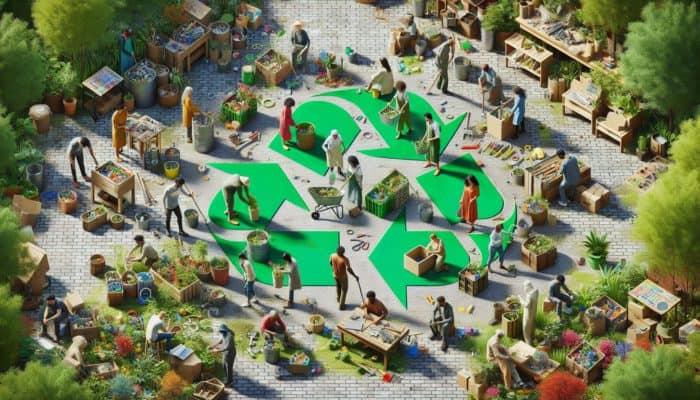
By choosing to incorporate recycled tools into your daily life, you become an essential contributor to enhancing sustainability. These eco-friendly implements play a significant role in reducing waste, conserving precious resources, and fostering a robust circular economy. By utilising recycled tools, you not only diminish your environmental footprint but also encourage the efficient use of materials throughout your community. This conscious decision to utilise recycled items not only mitigates environmental harm but also nurtures a culture of sustainability, inspiring those around you to adopt similar environmentally responsible practices.
Effective Approaches for Seamlessly Integrating Recycled Tools into Your Daily Routines
To successfully integrate recycled tools into your everyday activities, focus on their versatility, accessibility, and affordability. By emphasising these attributes, you can cultivate an environment where the application of these tools feels natural and straightforward. This approach encourages individuals to recognise the practicality and sustainability of selecting recycled options, thereby enriching their daily experiences while making meaningful contributions to a greener planet.
Discover the Advantages of Consistently Using Recycled Tools
- Minimises environmental damage.
- Improves resource efficiency.
- Encourages the formation of sustainable practices.
- Stimulates creativity through material reuse.
Incorporating recycled tools into your daily routine consistently fosters habits that enhance efficiency and effectiveness across various tasks. This practice not only supports environmental sustainability but also cultivates a heightened sense of responsibility and awareness regarding our impact on the planet. By committing to using these tools, you actively engage in a collective effort to minimise waste and promote sustainable living practices.
How Can You Effectively Maximise the Use of Recycled Tools?

What Initial Steps Can You Take to Transition to Using Recycled Tools?
Start by evaluating your current toolkit and identifying items that can be substituted with recycled alternatives. Engage actively in local community exchanges, participate in workshops, or explore online platforms to discover these valuable tools. Gradually incorporate them into your daily activities, ensuring a smooth transition that avoids overwhelming modifications, which could otherwise impede long-term adoption.
What Common Techniques Can You Use to Apply Recycled Tools in Everyday Tasks?
Recycled tools can be effectively utilised across a variety of contexts, from gardening and do-it-yourself projects to numerous household chores. Their inherent adaptability empowers users to modify these tools based on their specific needs and preferences, ensuring they remain relevant and functional across diverse applications. By embracing their versatility, individuals can fully unlock the potential of recycled tools in their daily routines.
What Strategies Can Help You Overcome Resistance to Using Recycled Tools?

Resistance to change and unfamiliarity can present obstacles when it comes to adopting recycled tools. Begin by integrating one or two tools into your daily activities to allow for gradual acclimatisation. Celebrate small victories to reinforce positive behaviours and boost your confidence in these choices. This step-by-step method can facilitate a smoother transition, making the journey toward sustainability more enjoyable.
What Maintenance Tips Can Help You Extend the Life of Recycled Tools?
To ensure the durability of your recycled tools, establish a routine maintenance schedule that includes regular inspections and basic repairs. Proper cleaning and storage are vital for preventing damage, while promptly addressing minor repairs can significantly extend the lifespan of the tools. This proactive strategy not only bolsters sustainability efforts but also instils a sense of ownership as you care for the tools that contribute to fostering a greener planet.
How Can You Measure the Impact of Using Recycled Tools in Your Life?
Evaluate the environmental and economic benefits that result from your use of recycled tools by monitoring reductions in waste and resource consumption. Set specific metrics, such as the number of tools utilized or savings on new acquisitions, to cultivate a deeper understanding and motivation for maintaining these eco-friendly practices. Tracking these impacts allows you to witness the tangible benefits of your efforts, reinforcing your dedication to green choices.
Expert Insights on the Regular Usage of Recycled Tools
How Do Experts Recommend Integrating Recycled Tools into Your Daily Routine?
Experts suggest developing a routine that gradually incorporates recycled materials into everyday life. Practical implementations, such as establishing community gardens or hosting collaborative workshops, serve as effective models for integrating these tools. Such practices not only showcase their practical utility but also promote broader engagement in sustainable behaviours, ultimately nurturing a culture of environmental responsibility.
What Advanced Strategies Can Optimise the Use of Recycled Tools?
To enhance the functionality of your recycled tools, explore adaptive modifications tailored to specific tasks. Utilise innovative techniques such as upcycling or creative repurposing to maximise their potential while ensuring they meet diverse needs. This not only improves the tools’ utility but also encourages a more inventive and resourceful mindset towards addressing everyday challenges.
How Can You Assess the Long-Term Effectiveness of Using Recycled Tools?
Long-term effectiveness can be evaluated through metrics such as user satisfaction and the sustainability of your recycling practices. Regular feedback and adjustments will ensure that the tools continue to meet the evolving demands of daily life while maintaining a positive environmental impact. This ongoing evaluation fosters continuous improvement and reinforces your commitment to utilising sustainable resources.
What Expert Recommendations Exist for Overcoming Challenges in Adopting Recycled Tools?
Experts advise tackling challenges such as resistance to change by highlighting the tangible benefits of incorporating recycled tools into your daily life. Implement gradual introductions and conduct cost-benefit analyses that underscore long-term savings and environmental advantages. This strategy nurtures sustainable habits while creating a supportive environment for making eco-friendly choices.
Research-Driven Advantages of Using Recycled Tools in Your Daily Life
What Makes Recycled Tools Environmentally Friendly?
Utilising recycled tools significantly diminishes resource extraction and waste generation. Their application promotes a circular economy by extending the lifecycle of materials and encouraging principles of conservation. This ultimately supports a more sustainable environment by alleviating the adverse effects associated with traditional manufacturing practices.
What Are the Core Benefits of Using Recycled Tools for Enhanced Daily Efficiency?
Integrating recycled tools into your daily practices streamlines tasks by simplifying processes and reducing the need for frequent replacements. Research indicates that employing these tools can enhance productivity and efficiency across various contexts, from home improvement projects to gardening activities. This increased effectiveness not only saves time but also fosters a deeper appreciation for sustainable practices.
What Key Outcomes Can You Expect from Regular Use of Recycled Tools?
- Improved environmental stewardship.
- Increased community involvement.
- Reduction in overall expenses.
- Greater awareness of sustainability challenges.
Consistent use of recycled tools yields broader societal advantages, reinforcing the importance of sustainable practices while nurturing a culture of responsibility among individuals and communities. By embracing these tools, you contribute to a collective movement toward a more sustainable future.
What Strategies Will Ensure Your Success with Recycled Tools?
How Can You Sustain Motivation Over the Long Term?
To maintain your commitment to utilising recycled tools, adopt flexible strategies such as setting achievable goals and building a support network. Regularly revisit your accomplishments and celebrate milestones to strengthen your dedication and enthusiasm for ongoing use. This sustained motivation encourages the integration of sustainable practices into your everyday routines.
What Key Factors Contribute to Successfully Adopting Recycled Tools?
Flexibility is crucial for the successful integration of recycled tools. Recognise your personal habits and adapt strategies that align with your existing routines. This tailored approach ensures that the adoption process feels organic and straightforward, making it easier for you to integrate sustainable practices into your daily life.
What Potential Enhancements Can You Make to Daily Practices Involving Recycled Tools?
Refine your daily routines by implementing incremental changes, such as setting aside specific times to use tools or involving family members in collaborative projects. This teamwork not only enhances effectiveness but also reinforces sustainable habits through shared experiences, creating a supportive environment for everyone involved.
Practical Recommendations for Everyday Use of Recycled Tools
What Routine Changes Can Encourage the Use of Recycled Tools?
Modify your daily schedules to create time for activities where recycled tools can be effectively employed. Dedicating specific periods for gardening, repairs, or creative projects fosters regular engagement and cultivates a culture of sustainability within your household. This commitment to using recycled options can inspire others to embrace similar eco-friendly practices.
How Can You Seamlessly Incorporate Recycled Tools into Regular Tasks?
Make recycled tools an integral part of your daily activities by ensuring they are easily accessible and visible. For instance, in the kitchen, place recycled utensils alongside conventional tools to encourage natural selection and habitual use over time. This simple modification can significantly enhance your daily practices while championing sustainability.
How Can You Track Your Progress in Using Recycled Tools?
Monitoring your tool usage can be achieved through simple tracking methods, such as maintaining a journal or sharing your progress with friends. This reflective practice keeps sustainable habits relevant and motivates ongoing improvement. By documenting your journey, you can celebrate achievements and identify areas for growth, reinforcing your commitment to sustainability.
How Can You Adapt Recycled Tools for Various Lifestyles and Needs?
Customise recycled tools to suit different environments and routines, ensuring they remain effective and accessible. This could involve adjusting tool sizes for specific tasks or repurposing them to fulfil different functions according to individual preferences and requirements. Tailoring your tools to fit your lifestyle enhances their usability and reinforces your commitment to sustainability.
What Strategies Can Encourage the Long-Term Adoption of Sustainable Habits?
To nurture a lasting commitment to using recycled tools, set realistic goals paired with regular assessments. Reflecting on your experiences and progressively refining your practices will help you seamlessly integrate sustainability into your everyday routines, ensuring enduring benefits for both yourself and the environment.
Frequently Asked Questions
What Are Recycled Tools?
Recycled tools are items crafted from repurposed materials with the aim of reducing waste and promoting sustainability. They encompass a diverse range of products, from gardening implements to household utensils, showcasing innovative approaches to resource management and environmental accountability.
How Can I Find Recycled Tools in My Area?
You can acquire recycled tools from local community exchanges, online marketplaces, or recycling centres. Participating in workshops or community initiatives also offers opportunities to obtain unique recycled items while fostering engagement and collaboration.
Are Recycled Tools Less Effective Than Brand-New Tools?
No, recycled tools can perform just as effectively as new ones and are often designed with functionality in mind. Their effectiveness depends on proper maintenance and adaptation to specific tasks, demonstrating their reliability in everyday applications.
How Can I Ensure the Proper Maintenance of My Recycled Tools?
Regularly inspect and clean your recycled tools, addressing any minor repairs as necessary. Proper storage is essential to prevent damage and ensure they remain functional and ready for use in various tasks, thereby extending their lifespan.
Can I Personalise My Recycled Tools for Specific Tasks?
Absolutely! Customising recycled tools allows users to modify them for specific tasks or personal preferences, thereby enhancing their usability. Simple modifications can improve efficiency and ensure that the tools meet individual needs and expectations.
What Environmental Benefits Can I Expect from Using Recycled Tools?
Utilising recycled tools significantly reduces waste and resource consumption while promoting a circular economy. They play a vital role in conservation efforts, lowering carbon footprints, and raising awareness of sustainability issues within communities, ultimately contributing to a healthier planet.
How Can I Encourage Others to Adopt Recycled Tools?
Share your experiences and successes with recycled tools to inspire others. Involve friends and family in collaborative projects and emphasise the benefits of sustainability to create a supportive environment that encourages the collective adoption of eco-friendly practices.
What Are Some Common Recycled Tools I Can Use at Home?
Common recycled tools include upcycled gardening implements, repurposed kitchen utensils, and refurbished hand tools. These items are often discovered at community workshops or second-hand stores, showcasing creativity and resourcefulness while promoting sustainability.
How Can I Monitor My Progress with Recycled Tools?
Maintain a journal or log to track your use of recycled tools, detailing completed tasks and any challenges faced. This reflective practice will aid you in monitoring your progress and staying motivated in adopting sustainable habits over time.
Are There Any Costs Associated with Using Recycled Tools?
While some recycled tools may involve an initial investment, they often yield long-term savings by reducing the necessity for new purchases. Participating in community exchanges or engaging in DIY projects can further minimise expenses while fostering creativity and resourcefulness.
Join Our Community on Facebook!
The Article: Incorporating Recycled Tools Daily: Simple Ways to Go Green appeared first on Amitys Hair Salon.
The Article Recycled Tools Daily: Easy Tips for Going Green Was Found On https://limitsofstrategy.com