Discover the Advantages of Customising Your Pet's Diet According to Seasonal Changes
Understanding Essential Principles of Pet Nutrition in Relation to Seasonal Shifts
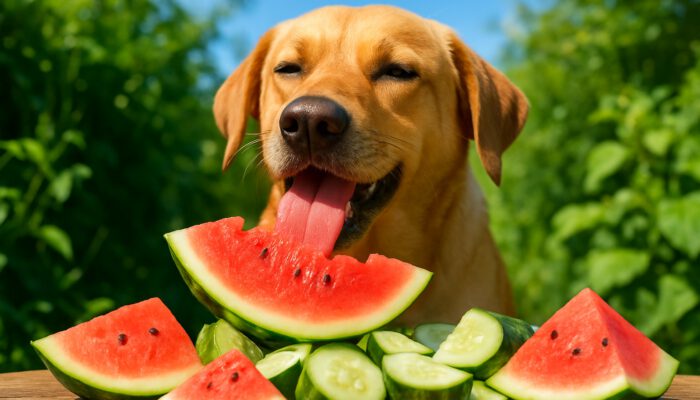
It is crucial to adjust your pet's diet to match seasonal changes for their overall health and well-being throughout the year. As environmental conditions evolve, pets require tailored nutritional adjustments to fulfil their energy levels and metabolic needs effectively. For instance, during the hot summer months, incorporating lighter meals rich in moisture content not only helps regulate body temperature but also prevents overheating. Conversely, the frigid winter months demand calorie-dense foods that provide essential warmth and energy for activity. In the summer, dog owners may opt for hydrating fruits and vegetables such as watermelon and cucumbers, which are high in moisture and beneficial for maintaining hydration.
Adapting your pet's diet according to the seasons is also vital for managing portion control, which can significantly prevent overfeeding. During winter, reduced activity levels may lead to weight gain if food intake is not appropriately adjusted. The importance of balanced nutrition cannot be overstated; it not only bolsters physical health but also enhances overall well-being by stabilising energy levels and providing metabolic support. By making these necessary adjustments, you ensure your pet remains healthy and energetic throughout the year.
How Can You Identify Changes in Your Pet's Nutritional Needs?
Every responsible pet owner must be adept at recognising signs that indicate shifts in their pet's dietary requirements. Behavioural cues such as lethargy, increased thirst, or noticeable changes in weight can signal that the current diet may be insufficient. For example, a dog displaying decreased energy levels during winter might require fewer calories, while a cat that seems restless and active in warmer weather may need additional hydration or lighter food options for comfort. These observations are crucial for ensuring your pet's dietary needs are met.
Detecting these signs early allows for timely dietary adjustments, potentially preventing more serious health issues in the future. Regularly monitoring your pet's weight, energy levels, and overall behaviour is imperative in this process. Keeping a detailed food diary to track fluctuations in appetite or energy can prove beneficial, and consulting with a veterinarian for any uncertainties is always advisable. An informed approach to dietary modifications fosters a happier and healthier pet that thrives throughout every season.
What Influence Do Weather Conditions Have on Your Pet's Food Preferences?
Environmental factors, particularly weather conditions, play a significant role in shaping a pet's dietary requirements. As temperatures change, a pet's metabolism can also adjust, necessitating alterations in food types to maintain optimal digestion and overall health. For instance, in the sweltering summer months, pets may show a reduced appetite; thus, a diet laden with moisture-rich options, including fresh fruits and vegetables, proves crucial in keeping them hydrated and comfortable.
On the flip side, colder weather can slow down metabolism, leading to a requirement for a diet higher in fats and proteins to meet energy demands. In areas where winters are harsh, pet owners often transition to richer, calorie-dense foods that help their pets maintain warmth and energy levels during cold spells. Understanding the relationship between environmental conditions and dietary needs is key to ensuring that pets remain healthy and active, regardless of the season.
Practical Approaches for Adjusting Pet Diets Based on Seasonal Changes
Crucial Steps for Adapting Your Pet's Diet During Summer
Adjusting your pet's diet during summer is essential for their overall comfort and health. Focus on lighter meals that are easily digestible and contain higher moisture content. Fresh fruits like watermelon, blueberries, and peaches make excellent additions; these fruits not only provide hydration but also deliver essential vitamins and antioxidants. Implementing these ingredient changes can significantly enhance your pet's comfort during the warm summer days, ensuring they feel their best.
To combat dehydration effectively, ensure that your pet always has access to fresh, clean water. Consider preparing homemade treats or frozen snacks using blended fruits or yoghurt for a refreshing and enjoyable treat. Monitoring portion sizes during the warmer months is critical to prevent heat-related health issues. A lighter, hydration-focused meal plan aids in minimising the risk of overheating, ensuring your furry friend stays happy and healthy all summer long.
Effective Feeding Strategies for Winter Months
In winter, pets require a dietary strategy that prioritises calorie-rich foods to maintain their energy levels and warmth. As outdoor activities generally decrease, it becomes crucial to monitor food intake and adjust calorie levels to prevent unwanted weight gain. Foods abundant in protein and healthy fats, such as fish or lean meats, provide the essential energy needed during colder months to keep your pet active and warm.
Incorporating hearty grains and wholesome vegetables can also be advantageous; consider adding options like sweet potatoes or brown rice, which offer warmth and vital nutrition. Preparing warm meals through light steaming or cooking can enhance palatability and digestibility. Striking the right balance—ensuring proper nutrition while avoiding overfeeding—bolsters your pet's resilience during the winter season, enabling them to thrive despite lower temperatures.
What Key Tools Are Essential for Successful Dietary Changes?

To implement effective dietary changes, several essential tools can aid in making precise adjustments. Measuring cups and food scales are fundamental for ensuring accurate portions, enabling pet owners to effectively track their pets' food intake. Maintaining a journal or using a pet health app can assist in monitoring changes in appetite, energy levels, and weight, which are crucial for evaluating the effectiveness of dietary modifications.
Incorporating fresh ingredients into your pet's meals is another vital aspect; having a pantry stocked with seasonal produce simplifies transitions. Using resources such as nutritional guidelines or consulting with a veterinarian can provide deeper insights into your pet's specific needs. By employing these tools, pet owners can navigate seasonal dietary adjustments more effectively, ensuring their pets' health and happiness throughout the year.
Expert Insights on Seasonal Adjustments to Pet Diets
Essential Advice from Nutrition Professionals
Nutrition experts emphasise the significance of adjusting pet diets according to the demands of the seasons. A fundamental principle involves rotating food varieties to align with environmental changes. This practice ensures optimal nutrient absorption and promotes overall vitality. For example, specialists advocate introducing seasonal ingredients, such as fresh greens in spring or hearty squash in autumn, which provide diverse nutrients and keep meals engaging for pets.
These dietary modifications can alleviate issues related to food intolerances and sensitivities. Diversifying protein sources and integrating various carbohydrate options guarantees balanced nutrition, which is vital for a pet's health. A well-rounded diet not only enhances energy levels but also supports immune function and boosts resilience against environmental challenges throughout the year.
Advanced Strategies for Optimal Nutritional Support
Advanced dietary approaches highlight the importance of balancing macronutrients—fats, carbohydrates, and proteins—to accommodate seasonal variations. For instance, during colder months, increasing healthy fats provides the necessary energy to combat lower temperatures. Conversely, during warmer months, reducing fat content while increasing fibre-rich foods aids in digestion and hydration, especially vital during hot weather.
Experts recommend gradual transitions to minimise digestive upset. When introducing new foods, consider starting with small amounts mixed with the current diet to help pets adapt more comfortably. Evaluating how different food combinations affect your pet's energy levels and overall health can lead to optimised dietary practices tailored to seasonal demands. The ultimate goal is to foster long-term health benefits by creating a balanced diet that supports your pet's specific needs as the seasons change.
Why Is Professional Guidance Crucial for Effective Dietary Planning?
Consulting with experts in pet nutrition is essential when making informed dietary adjustments. Tailored guidance helps prevent common pitfalls, such as unbalanced diets or abrupt dietary changes that can lead to gastrointestinal distress. Nutritionists and veterinarians can provide insights into the specific nutritional needs of various breeds or ages, ensuring that every pet receives the appropriate diet tailored to their individual health requirements.
Incorporating professional advice can significantly enhance a pet's longevity and overall well-being through informed dietary decisions. For example, a veterinarian might suggest customised meal plans based on a pet's activity level, weight, and health history. This personalised approach empowers pet owners to make choices that substantially impact their pets' health outcomes, especially as they navigate seasonal variations in environment and lifestyle.
How to Effectively Include Seasonal Produce in Your Pet's Meals?
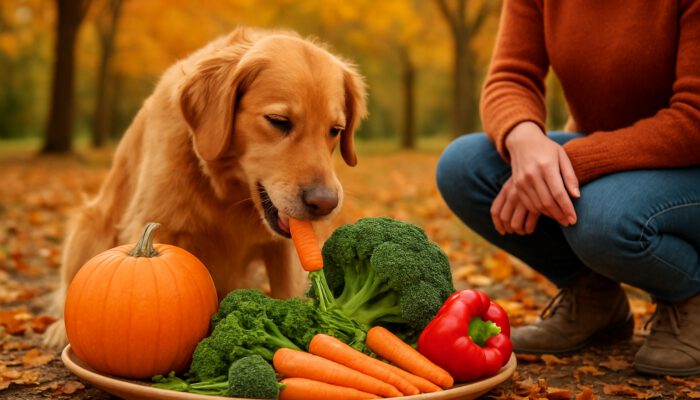
Integrating seasonal produce into your pet's diet not only enhances nutrition but also adds flavour. During autumn, for instance, pumpkin and root vegetables like carrots and sweet potatoes are exceptional additions. These foods are rich in fibre and antioxidants, promoting digestion and supporting the immune system, which is particularly crucial as temperatures begin to drop. In summer, berries such as blueberries or strawberries can be introduced, packed with vitamins and beneficial hydration.
It is essential to ensure that these foods are safe for pets and prepared correctly. For example, always cook root vegetables to make them digestible for pets. Veterinary nutritionists recommend starting with small amounts to monitor any potential food intolerances. This gradual integration allows owners to provide varied diets while ensuring pets enjoy the benefits of seasonal foods without adverse effects, enhancing their overall health.
How Can You Monitor and Adjust Based on Your Pet's Reactions?
Monitoring your pets for signs of dietary intolerance during seasonal changes is critical. Observing shifts in energy levels, coat condition, or stool consistency can offer insights into how well pets are adapting to their diet. Veterinary professionals emphasise that timely adjustments based on these observations can prevent health issues and promote sustained well-being.
For instance, if a pet shows signs of lethargy or digestive upset after a dietary change, reverting to prior foods or adjusting meal portions may be necessary. Keeping a close watch on your pet's behaviour can guide dietary decisions, enabling a responsive approach that meets their evolving needs. This proactive strategy ensures your pet remains healthy and happy through the changing seasons.
Which Food Choices Are Best for Pets Throughout the Year?
Top Hydrating Food Options for Hot Weather
During hot weather, hydrating food options are crucial for sustaining your pet's energy levels and hydration. Fruits and vegetables serve as ideal choices, providing moisture along with essential vitamins and minerals. Consider options like watermelon, cucumbers, and carrots, which are low in calories yet rich in nutrients, making them perfect for warm summer days.
Incorporating lean proteins such as chicken or turkey into lighter meals ensures that pets receive adequate energy without the heaviness associated with traditional meals. Hydration can also be supplemented with homemade broths or frozen fruit treats. These options help combat heat while keeping pets feeling fresh and active. By focusing on hydrating foods, pet owners can ensure their furry companions thrive even in the sweltering summer heat.
Optimal Food Selections for Colder Seasons
As temperatures drop, pets require nutrient-dense foods that provide warmth and energy. Here’s a bullet list of key benefits for incorporating such items into their diets:
- High-Quality Proteins: Support muscle maintenance and energy levels.
- Healthy Fats: Provide a concentrated energy source to keep pets warm.
- Whole Grains: Serve as a reliable energy source and promote healthy digestion.
- Root Vegetables: Rich in fibre and essential nutrients that boost immunity.
- Fish Oils: Offer omega-3 fatty acids that support skin health and joint function.
These foods not only help sustain energy but also promote healthy growth during colder seasons. Pet owners should prioritise warm meals that stimulate appetite and provide comfort during the chilly months, ensuring that pets remain energetic and healthy through winter.
How to Safely Introduce New Foods to Your Pet?
Introducing new foods safely involves a gradual approach that allows pets to adapt smoothly to dietary changes. Start by mixing small amounts of the new food with your pet's regular diet while observing for any adverse reactions. This method minimises the likelihood of allergies and digestive issues while ensuring that pets become comfortable with new flavours and textures.
During this transition period, closely monitoring your pet's behaviour and health is essential. If any signs of discomfort arise, reverting to the previous diet is advisable. Gradual changes not only facilitate a smoother transition but also promote a positive relationship with food. By making adjustments cautiously, pet owners can foster dietary success, allowing pets to enjoy a varied and balanced diet throughout the seasons.
Best Foods for Autumn and Harvest Seasons
Autumn brings a rich bounty of seasonal produce that pets can greatly benefit from. Foods like pumpkin and sweet potatoes are excellent choices. They are packed with fibre and antioxidants that aid digestion and bolster immunity, which is particularly crucial as temperatures begin to drop. Incorporating root vegetables provides both warmth and nourishment, ensuring pets remain comfortable and healthy.
As the harvest season approaches, integrating these foods into your pet's meals can enhance their energy levels and overall health. These options not only provide essential nutrients but also offer flavour variety that keeps meals engaging. By focusing on seasonal produce, pet owners can ensure their pets remain healthy and vibrant during this transitional period, promoting overall well-being.
Dietary Considerations for Pets with Seasonal Allergies
For pets suffering from seasonal allergies, selecting the right diet is crucial for minimising discomfort. Opting for novel proteins such as duck or venison can help reduce allergic reactions, as many commercial foods contain common allergens like chicken or beef. Limited-ingredient diets focused on simple formulations can be beneficial, as they are less likely to trigger sensitivities.
Choosing allergy-friendly options can also include grains or vegetables known for their hypoallergenic properties. Foods rich in omega-3 fatty acids, such as fish oil, support skin health and reduce inflammation. By being mindful of ingredient choices, pet owners can help their pets enjoy seasonal activities without the burden of allergies, ensuring a healthier and more enjoyable experience throughout the year.
Research-Backed Benefits of Seasonal Dietary Adjustments for Pets
Evidence Supporting Health Improvements from Seasonal Dietary Changes
Research indicates that adjusting diets according to seasonal needs can greatly enhance pet health outcomes. Tailoring diets to fit seasonal demands not only improves immune function but also reduces susceptibility to various illnesses. By aligning nutritional strategies with changing environmental conditions, pet owners can foster stronger defences against health challenges that may arise throughout the year.
This proactive approach not only strengthens the immune system but also promotes better overall health. Pets that receive appropriate diets during seasonal transitions often experience fewer health issues and maintain higher energy levels, leading to an enhanced quality of life. By applying these research findings, pet owners can improve their pets' resilience, ensuring they remain strong and healthy year-round, regardless of the season.
Long-Term Advantages for Your Pet's Health and Vitality
Consistent dietary adjustments yield long-term benefits for pets, particularly concerning their vitality. Expert analyses reveal that regularly adapting diets aids in effective weight management, thereby reducing the risk of chronic health issues. Pets that receive nutrition tailored to their environment and activity levels are more likely to maintain their ideal weight and experience fewer health complications as they age.
Fostering a balanced diet contributes to sustained energy levels and improved quality of life. By focusing on dietary needs across the seasons, pet owners can ensure their companions enjoy a vibrant and fulfilling existence. This long-term strategy enhances pet longevity and well-being, highlighting the importance of mindful dietary practices and the impact they have on your pet's overall health.
What Role Does Dietary Variety Play in Enhancing Pet Health?
Variety in a pet's diet is vital for preventing nutritional deficiencies, as it provides a broader array of vitamins and minerals. Incorporating diverse ingredients not only enhances the nutritional profile of meals but also contributes to mental stimulation. Pets that experience varied diets tend to show increased engagement during meal times and develop a healthier relationship with food. This engagement is crucial for fostering overall well-being.
Research indicates that diverse meal options promote physical health and mental well-being. Providing a range of proteins, carbohydrates, and vegetables stimulates a pet's appetite, encouraging exploration and enjoyment of their meals. A varied diet results in happier pets and supports overall health, making it an indispensable aspect of responsible pet ownership that should not be overlooked.
Seasonal Dietary Adjustments and Adaptation to Environmental Changes
Studies demonstrate that seasonal dietary modifications play a crucial role in helping pets adapt to environmental fluctuations. As temperatures shift, appropriate nutrition enhances thermoregulation and resilience, allowing pets to thrive under varying conditions. By tailoring diets to support specific seasonal needs—such as increasing calorie intake in winter or enhancing hydration in summer—pet owners can promote overall adaptability in their pets.
This approach not only reduces stress on pets but also improves their capacity to cope with changing environments. Research validates that well-nourished pets experience better survival rates and improved health outcomes during seasonal transitions. Implementing seasonal diet adjustments becomes essential for fostering long-term adaptability and overall health, ensuring pets can navigate the challenges posed by changing weather conditions.
Why Are Seasonal Dietary Adjustments Fundamental for Pet Health?
The Impact on Digestive Health
Seasonal adjustments in a pet's diet significantly influence digestive health, ensuring stability amidst environmental changes. As climates shift, pets may encounter different food options, necessitating careful attention to their digestive systems. Altering diets accordingly helps prevent discomfort and supports efficient digestion, contributing to a pet's daily comfort and overall resilience against digestive disturbances.
By incorporating appropriate foods based on the season, pet owners can help maintain gut stability, reducing the likelihood of gastrointestinal issues. For instance, during summer months, lighter, fibre-rich foods can facilitate digestion, while winter may call for heartier options that promote gut health and comfort. A focus on seasonal adjustments ultimately supports a pet's digestive system, ensuring they feel comfortable and content throughout the year.
Effects on Overall Energy Levels of Pets
Seasonal changes profoundly impact a pet’s overall energy levels, making dietary adaptations imperative. As temperatures fluctuate, metabolic rates can change, influencing how much energy pets require. During colder months, pets may need more calories to stay warm and active, while warmer months may see reduced energy needs. Understanding these variations is key to maintaining optimal health.
Proper adaptations ensure that pets remain engaged and energetic, avoiding fatigue associated with imbalanced nutrition. By providing appropriate dietary adjustments based on seasonal demands, pet owners can help their companions thrive, keeping them active and playful. This focus on dietary needs enhances a pet's quality of life, promoting a more vibrant existence, regardless of the season.
How Do Dietary Adjustments Aid in Preventing Common Ailments?
Timely dietary shifts can effectively prevent common ailments, such as allergies or obesity. Focused adjustments to a pet's diet help proactively address these issues, enhancing overall well-being. For example, adjusting calorie intake based on activity levels can prevent obesity, while incorporating hypoallergenic ingredients can minimise allergic reactions. This proactive approach is essential for maintaining your pet's health.
Preventive measures, such as implementing seasonal diet changes, reduce the occurrence of health complications. By focusing on tailored nutrition, pet owners can significantly enhance their pet's health. This strategy underscores the importance of adapting diets to meet pets' needs, ultimately contributing to a long and healthy life filled with vitality and happiness.
Seasonal Influences on Skin and Coat Health
Skin and coat health are substantially influenced by seasonal dietary adjustments. Changes in humidity, temperature, and allergens throughout the year can affect a pet’s skin condition, leading to irritation or excessive shedding. By providing tailored grooming and nutritional support, pet owners can maintain a healthy coat, prevent infections, and ensure a shiny appearance year-round.
Incorporating foods rich in omega-3 fatty acids can promote skin health, while ensuring adequate hydration helps combat dryness. Regular grooming routines that align with seasonal changes can further enhance coat vitality. By being mindful of these aspects, pet owners can foster healthy skin and a lustrous coat for their pets, ensuring they look and feel their best throughout the year.
The Effect on Immune System and Disease Resistance
Seasonal dietary adjustments can strengthen a pet's immune system and enhance its resistance to diseases. Including immune-boosting foods, such as those rich in vitamins C and E, supports the body's defences against environmental pathogens. Proper nutrition during seasonal transitions helps pets fend off illnesses and improves their overall resilience, ensuring they remain healthy and active.
Establishing protective routines, such as regular veterinary check-ups and vaccination schedules aligned with seasonal changes, further contributes to a pet's health. By prioritising diet as a key component of immune support, pet owners can significantly enhance their pets' long-term health outcomes, reducing the need for frequent interventions and improving their quality of life over time.
Successfully Realising Dietary Changes
Practical Strategies for Smooth Dietary Transitions
To ensure smooth transitions when implementing dietary changes, start with small modifications. Gradually introducing new foods minimises stress on pets and promotes successful adoption of healthier eating habits. For instance, if incorporating a new protein source, consider mixing it with the current diet for a few days before fully transitioning. This gentle approach can ease the adjustment process.
Monitoring your pet's reactions during this period is essential. If any signs of discomfort arise, reverting to the previous diet and consulting a veterinarian for further guidance is advisable. Establishing a consistent feeding schedule can also help pets adapt to dietary changes, providing structure and stability that fosters a sense of security. By facilitating gradual transitions, pet owners can achieve better results in maintaining optimal nutrition for their pets.
Tracking and Evaluating Dietary Progress
Regular check-ins are vital for assessing how dietary changes affect a pet's health and behaviour. Tracking metrics such as weight, energy levels, and overall demeanour can provide insights into the success of dietary adjustments. If any concerns arise, adjustments can be made promptly, ensuring that the pet's needs are met effectively and efficiently.
Keeping a detailed record of dietary changes, including what was introduced and the pet’s response, can lead to refined strategies over time. Engaging with veterinarians for periodic evaluations can enhance understanding of how diet influences overall health. This ongoing monitoring and evaluation help pet owners make informed decisions, promoting sustained improvements in their pets’ well-being, leading to happier and healthier companions.
What Challenges Might You Encounter During Dietary Changes?
Implementing dietary changes can present several challenges, such as picky eating or initial resistance from pets. Some pets may be hesitant to accept new foods, making patience essential during this process. Addressing these challenges through gradual introductions and positive reinforcement can ensure long-term success in dietary adjustments.
Offering a variety of textures and flavours may entice a reluctant pet to explore new options. Utilising homemade treats can serve as an incentive for trying new foods. By approaching dietary transitions with understanding and flexibility, pet owners can navigate potential obstacles effectively, ensuring their pets receive the nutrition they need for optimal health and happiness.
Frequently Asked Questions About Seasonal Diet Adjustments
What do seasonal diet adjustments for pets involve?
Seasonal diet adjustments entail modifying a pet's food intake and types of food based on seasonal changes, ensuring optimal health, energy, and well-being throughout the year.
How can I tell if my pet needs a dietary change?
Signs that your pet may require a dietary adjustment include changes in energy levels, fluctuations in weight, and alterations in eating behaviours, such as decreased appetite or increased thirst, indicating a need for dietary reassessment.
Which foods are most beneficial for pets during the summer months?
In summer, hydrating foods such as watermelon, cucumbers, and lean proteins can help keep pets cool and support their energy levels effectively during warmer weather.
What is the safest way to introduce new foods to my pet?
Introduce new foods gradually by mixing small amounts with your pet's current diet, monitoring for any adverse reactions before fully transitioning, ensuring a smooth dietary changeover.
What dietary options are recommended for pets during winter?
During winter, calorie-dense foods, including high-quality proteins, healthy fats, and hearty grains, are advised to maintain energy levels and warmth, keeping pets comfortable and active.
Why is dietary variety crucial for my pet?
Variety helps prevent nutritional deficiencies, provides mental stimulation, and ensures balanced nutrition by offering diverse vitamins and minerals, which enhance overall health and well-being in pets.
How can seasonal produce benefit my pet's diet?
Seasonal produce offers essential nutrients and enhances meal variety, contributing to improved health and overall well-being when integrated into a pet's diet appropriately and safely.
What are common signs of food intolerance in pets?
Signs of food intolerance may include digestive issues such as diarrhoea, vomiting, or changes in stool consistency, along with alterations in energy levels or behaviour, indicating a need for dietary reevaluation.
How can dietary adjustments help prevent obesity in pets?
By monitoring calorie intake and adjusting portion sizes according to seasonal activity levels, pet owners can help prevent obesity and maintain a healthy weight in their pets, ensuring their long-term health.
Is it necessary to seek expert guidance for seasonal diet adjustments?
Yes, consulting with nutritionists or veterinarians is beneficial for tailored dietary advice, ensuring that pet owners make informed decisions that promote their pets' health and longevity effectively.
Explore more on our Facebook page!
The Article Seasonal Diet Adjustments for Pets: Key Health Tips First Published On https://elgatoencasa.com
The Article Seasonal Diet Adjustments for Pets: Essential Health Tips Was Found On https://limitsofstrategy.com
The Article Seasonal Diet Adjustments for Pets: Key Health Insights found first on https://electroquench.com