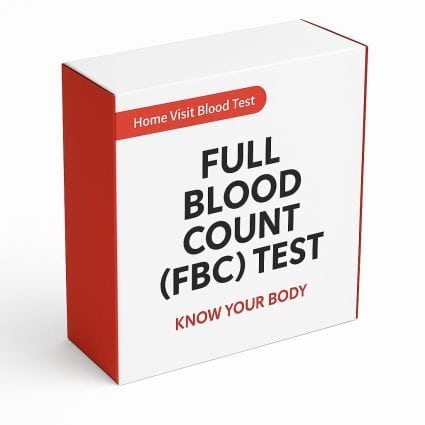
Comprehensive Overview of the Full Blood Count Test Offered in Cambridge
What Is the Primary Function of the FBC Test?
Private FBC Test in Cambridge: The FBC test, often referred to as the full blood count, is crucial for assessing overall health and identifying various medical conditions, including anaemia, infections, and a range of blood-related disorders. In the vibrant city of Cambridge, healthcare professionals routinely employ this test for regular health assessments and pre-operative evaluations. This ensures that the care provided to patients is both effective and well-informed. By analysing multiple blood parameters, the FBC test acts as a vital tool for the early detection and continuous monitoring of potential health issues, facilitating timely medical interventions that significantly improve patient outcomes.

Key Components Assessed in the FBC Test
The execution of an FBC test encompasses measuring levels of red blood cells, white blood cells, haemoglobin, haematocrit, and platelets. Ensuring the accuracy and reliability of these measurements is paramount; therefore, local laboratories in Cambridge strictly follow established protocols and quality control standards. This dedication to precision guarantees that the results are not only trustworthy but also essential in guiding clinical decisions. By conducting thorough testing, healthcare practitioners can provide informed recommendations based on robust data, enhancing the overall quality of care.
Step-by-Step Breakdown of the FBC Test Procedure
The FBC test adheres to a systematic procedure engineered to ensure both accuracy and patient safety. The primary stages of this process include:
- Verifying the patient’s identity and obtaining informed consent prior to commencing the test.
- Collecting the blood sample, typically from a vein in the arm, while ensuring minimal discomfort for the patient.
- Properly labelling and securely transporting the sample to the laboratory for detailed analysis.
- Utilising automated equipment to obtain precise and efficient readings of blood components.
- Having qualified healthcare professionals interpret the results, ensuring a comprehensive understanding and appropriate follow-up.
Strategic Recommendations for Preparing for the FBC Test
Essential Preparatory Steps to Consider Before the FBC Test
Before undergoing an FBC test, individuals should be made aware of specific preparation requirements, which may include adhering to fasting guidelines and discussing any current medications with healthcare providers. These preparatory measures are vital, as they help ensure the accuracy and reliability of test results. Being well-informed about these prerequisites enables patients to approach their testing with confidence and clarity, ultimately contributing to improved health outcomes.
Effective Guidance for Patients Ready to Undertake the FBC Test
Patients preparing for an FBC test should follow practical advice, such as fasting for the recommended duration (typically between 8 to 12 hours) and scheduling appointments in the morning where possible. Adhering to these guidelines significantly enhances the reliability of test results, as factors like food intake can influence blood component levels. By being diligent in their preparation, patients can ensure that the results accurately reflect their health status, allowing healthcare providers to make well-informed decisions regarding their care.
Potential Challenges Patients May Encounter While Preparing for the FBC Test
Some patients might find it challenging to prepare for their FBC test, particularly if they face difficulties with fasting due to pre-existing health conditions or complex medication regimens. To effectively navigate these potential obstacles, open communication and thorough planning with healthcare professionals are crucial. By discussing their individual circumstances, patients can receive tailored advice that accommodates their specific needs, ensuring a smoother testing process and accurate results.
Expert Guidance from Healthcare Professionals for FBC Test Preparation
Healthcare professionals play an indispensable role in preparing patients for the FBC test. They offer personalised advice on dietary requirements, review relevant medications, and clarify what patients can expect during the testing process. This comprehensive support ensures that patients feel knowledgeable and adequately prepared, reducing anxiety and contributing to a positive testing experience. Such proactive engagement fosters a collaborative approach to health management, enhancing overall patient satisfaction.
Benefits of Maintaining a Detailed Preparation Log
Keeping a meticulous preparation log can be greatly beneficial for patients. This log should include information about fasting periods, any changes in health status, and specific instructions from healthcare providers. Such careful record-keeping enhances organisation and facilitates improved communication with medical personnel. By documenting these details, patients can actively participate in their healthcare journey, ensuring that all pertinent information is readily available for discussion during consultations.
What Steps Are Involved in Conducting the FBC Test in Cambridge?
What Are the Key Steps in the FBC Testing Process?
The procedure for conducting an FBC test involves a series of clearly defined steps to ensure accurate and safe results. Initially, the healthcare professional verifies the patient’s identity and thoroughly explains the procedure, allowing for any questions or concerns to be addressed. Blood is then collected, typically from the antecubital fossa, ensuring that the process is as comfortable and distress-free as possible for the patient. This focus on patient comfort is essential in facilitating a positive testing experience.
Safety Protocols Implemented Throughout the FBC Test
Adhering to strict safety protocols during the FBC test is crucial to safeguarding the well-being of both patients and healthcare staff. Key precautions taken include:
- Wearing sterile gloves and using all necessary sterile equipment throughout the procedure.
- Maintaining a clean, hygienic workspace to prevent contamination and infection.
- Closely monitoring the patient for any adverse reactions during blood collection.
- Properly disposing of all biohazard materials to ensure safety and compliance with health regulations.
Understanding the Results of the FBC Test Procedure
The outcomes of an FBC test typically comprise numerical values for various blood components, which healthcare professionals meticulously interpret. These results are essential for guiding subsequent actions, whether they indicate the need for further testing, a specific diagnosis, or the development of tailored treatment plans based on identified health concerns. Understanding these results is vital for both patients and healthcare providers in effectively managing health and making informed decisions.
Expert Insights on the FBC Test in Cambridge
Actionable Recommendations for Achieving Optimal Results
To secure the best possible results from an FBC test, patients should adhere to several key steps. Recommendations include maintaining a balanced diet rich in iron and other essential nutrients leading up to the test and ensuring proper hydration. Local healthcare professionals frequently suggest scheduling tests at times when health conditions are stable, as this can significantly enhance result accuracy. By taking these proactive measures, patients can have a positive impact on their health assessments and overall well-being.
Critical Factors That Influence FBC Test Accuracy
Several factors can significantly affect the accuracy of test results, including timing, patient history, and the impact of medications. To guarantee the reliability of results, patients should communicate openly with healthcare providers about their health history and any current medication regimens. This transparency allows healthcare professionals to account for variables that may influence test outcomes, ensuring a more accurate depiction of the patient’s health status and facilitating better health management.
Long-Term Consequences of the FBC Test
The long-term implications of undergoing an FBC test are significant for ongoing health management. Regular testing can aid in the early detection of chronic conditions, enabling timely interventions that can greatly enhance health outcomes. Numerous local case studies underscore the importance of consistent monitoring in promoting optimal health, reinforcing the role of the FBC test as a preventative measure that can lead to better health management.
What Are the Key Benefits of the FBC Test?
How Does the FBC Test Improve Health Monitoring?
The FBC test plays a pivotal role in enhancing health monitoring by providing a comprehensive overview of a patient’s blood composition. This detailed information empowers healthcare providers to identify abnormalities early, allowing for timely interventions and effective management of health conditions. By adopting a proactive approach to health monitoring through the FBC test, patients can enjoy improved overall care and better long-term health outcomes.
Identifying Potential Risks and Strategies for Risk Mitigation
While the FBC test is generally safe, some potential risks do exist, including bruising or infection at the site of blood draw. To mitigate these risks, healthcare providers strictly adhere to established protocols, and patients are advised to diligently follow aftercare instructions. By being informed and proactive, patients can minimise potential complications and contribute to a smoother testing experience, enhancing their overall satisfaction with the process.
Why Choose the FBC Test Instead of Alternative Diagnostic Methods?
The FBC test provides unique advantages over alternative diagnostic techniques due to its comprehensive nature and extensive insights. Some comparative benefits include:
- A quick and minimally invasive procedure that prioritises patient comfort.
- Broad insights into various health conditions, allowing for early detection and intervention.
- Cost-effectiveness compared to more complex diagnostic tests, making it accessible to a wider range of patients.
- Standardised results that healthcare professionals can readily interpret, ensuring clarity and understanding.
Research-Driven Advantages of the FBC Test in Cambridge
Expert Evaluation of the FBC Test's Effectiveness
Numerous research studies confirm that the FBC test yields reliable results that significantly support clinical decision-making processes. The test’s high sensitivity and specificity solidify its role as a cornerstone for diagnosing various health conditions, thereby establishing its widespread application in Cambridge healthcare environments. This reliability enhances trust between patients and healthcare providers, contributing to improved quality of patient care and health outcomes.
Factors That Enhance the Effectiveness of the FBC Test
Several elements can augment the benefits of the FBC test, including timing, the quality of laboratory analysis, and the expertise of healthcare professionals interpreting results. By employing advanced technologies and methodologies, local healthcare facilities can optimise test performance, ensuring patients derive the maximum benefit from their assessments and enhancing the overall effectiveness of health monitoring.
Ongoing Benefits of Regular FBC Testing
Long-term benefits of consistent FBC tests encompass improved management of chronic diseases and enhanced health outcomes. Local healthcare providers have observed that regular monitoring facilitates timely interventions, thus improving patients’ quality of life over time. This ongoing relationship with health assessments fosters a culture of proactive care, leading to more favourable health trajectories and overall well-being.
Who Should Consider Undergoing an FBC Test?
What Criteria Determine Eligibility for the FBC Test?
Eligibility for an FBC test is typically based on specific criteria such as age, pre-existing health issues, and various risk factors. Patients exhibiting symptoms such as persistent fatigue or unusual bruising are often referred for testing by their healthcare providers. Such proactive measures ensure that at-risk individuals receive appropriate monitoring and care, thereby enhancing their health management.
Demographics Most Likely to Benefit from the FBC Test
Certain groups, including pregnant women, individuals with chronic illnesses, and those undergoing treatments that may impact blood counts, are most likely to gain from an FBC test. These populations typically require closer monitoring to ensure optimal health outcomes and to proactively address potential complications that may arise during treatment or recovery.
When Might the FBC Test Not Be Recommended?
There are specific scenarios where an FBC test may not be advisable. For instance, patients with severe bleeding disorders or those who have experienced adverse reactions to blood draws in the past might face unnecessary risks if they undergo this test. Open discussions with healthcare providers are essential to identify any contraindications and determine the most suitable course of action for individual patients.
Age and Gender Considerations in FBC Testing
Age and gender significantly influence the appropriateness of an FBC test. For example, older adults may require more frequent monitoring due to age-related health changes that could impact blood composition. Similarly, specific gender-related conditions may prompt women to undergo the test during pregnancy or when experiencing menstrual irregularities. Recognising these nuances allows for personalised health assessments and tailored care strategies.
Lifestyle and Environmental Factors Affecting FBC Test Eligibility
Lifestyle choices such as smoking and dietary habits, along with environmental exposures like occupational hazards, can influence FBC test eligibility. Individuals with these risk factors should consider regular testing to identify potential health issues early on. By being proactive, patients can take charge of their health and well-being, ensuring they remain informed about their health status and any necessary interventions.
Dispelling Common Myths Surrounding the FBC Test
Is the FBC Test Painful for Patients?
Many individuals believe that the FBC test causes significant pain; however, the discomfort is generally minimal. A small needle is used for blood collection, and most patients describe the sensation as a brief pinch rather than severe pain. Understanding this can help alleviate anxiety and encourage more individuals to undergo necessary testing without fear or hesitation.
What Are the Truths Versus Myths Regarding the FBC Test?
Common misconceptions about the FBC test include the belief that it requires extensive fasting or that it can independently diagnose diseases. In reality, while minimal preparation is typically recommended, the test serves primarily as a screening tool rather than a definitive diagnostic measure. Clarifying these misunderstandings is vital for patient education and can improve patient compliance and willingness to undergo testing.
How Can Misinformation About the FBC Test Be Effectively Addressed?
To effectively combat misinformation surrounding the FBC test, it is crucial to educate patients through clear and concise communication from healthcare providers. Providing informative written materials and discussing prevalent misconceptions during consultations can significantly enhance patient understanding and alleviate concerns. This proactive educational strategy fosters a more informed patient population, leading to better health management and outcomes.
Next Steps After Completing the FBC Test
What Follow-Up Actions Are Necessary Following the FBC Test?
After completing an FBC test, patients can expect to receive their results within a few days, along with any necessary follow-up actions as determined by their healthcare provider. Maintaining open lines of communication throughout this process is essential for addressing questions and ensuring that patients feel supported in their healthcare journey, ultimately contributing to better health management.
How to Monitor Progress Following the FBC Test
Monitoring health progress after the FBC test involves regular follow-up testing and consultations with healthcare providers. Patients are encouraged to track any changes in their health status and report any new symptoms. This ongoing engagement with healthcare ensures that patients receive the most effective management of their health conditions, facilitating timely interventions when necessary.
When Should Patients Seek Further Advice After the FBC Test?
If patients notice any concerning symptoms after undergoing the FBC test, or if the results reveal abnormalities, they should promptly seek further advice from their healthcare provider. Early intervention in these scenarios can lead to improved health outcomes and more effective management strategies, emphasising the importance of vigilant health monitoring and proactive engagement with healthcare.
Long-Term Health Maintenance Strategies After the FBC Test
After completing the FBC test, sustaining long-term health necessitates adopting a balanced diet, engaging in regular physical activity, and implementing effective stress-management techniques. Patients should monitor lifestyle factors that may influence their health and test results. Seeking expert guidance on necessary adjustments can greatly contribute to long-term health and well-being, fostering a proactive approach to health management.
Frequently Asked Questions (FAQs)
What Key Components Are Measured in an FBC Test?
An FBC test measures various blood components, including red blood cells, white blood cells, haemoglobin, and platelets, providing valuable insights into an individual's overall health and potential medical conditions.
How Long Does It Typically Take to Receive FBC Test Results?
Generally, FBC test results are available within a few days. However, the exact timeframe can vary depending on the laboratory and the protocols employed during testing.
Is Any Preparation Required Before Taking an FBC Test?
Minimal preparation is usually necessary for an FBC test, although fasting for 8 to 12 hours prior to the test is often recommended to ensure accurate results. Patients should consult with their healthcare providers for specific instructions tailored to their individual circumstances.
Can Anyone Undergo an FBC Test?
Typically, anyone can undergo an FBC test, but eligibility may depend on specific medical conditions or risk factors, which should be discussed with a healthcare provider to ensure appropriateness and safety.
What Risks Are Associated with an FBC Test?
The risks associated with an FBC test are minimal but may include bruising, infection at the puncture site, or dizziness during blood collection. Understanding these risks can help alleviate concerns and prepare patients for the experience.
How Often Should One Get an FBC Test?
The frequency of FBC tests depends on individual health conditions and risk factors. Regular monitoring is typically recommended for individuals with chronic health conditions to detect changes early and ensure appropriate management.
What Should I Do If My FBC Test Results Are Abnormal?
If your FBC test results are abnormal, consult your healthcare provider to discuss next steps, additional testing, or treatment options tailored to your specific needs and health situation.
Can Lifestyle Changes Impact FBC Test Results?
Yes, lifestyle modifications such as dietary changes, exercise, and smoking cessation can significantly affect FBC test outcomes. Maintaining healthy habits can lead to more favourable results and improved overall health.
Is an FBC Test Painful?
Most patients report minimal discomfort during an FBC test. The sensation is typically described as a brief pinch when the needle is inserted, making the process relatively non-invasive and manageable.
What Can I Expect During an FBC Test?
During an FBC test, a healthcare professional will collect a small amount of blood, usually from your arm, and the entire procedure is expected to take just a few minutes to ensure efficiency and patient comfort.
Explore our Facebook profile today for more information!
This Article Was First Found On https://bloodtest.co.uk
The Article FBC Test: Your Essential Guide for Cambridge Students Was Found On https://limitsofstrategy.com